
Last updated November 22, 2026
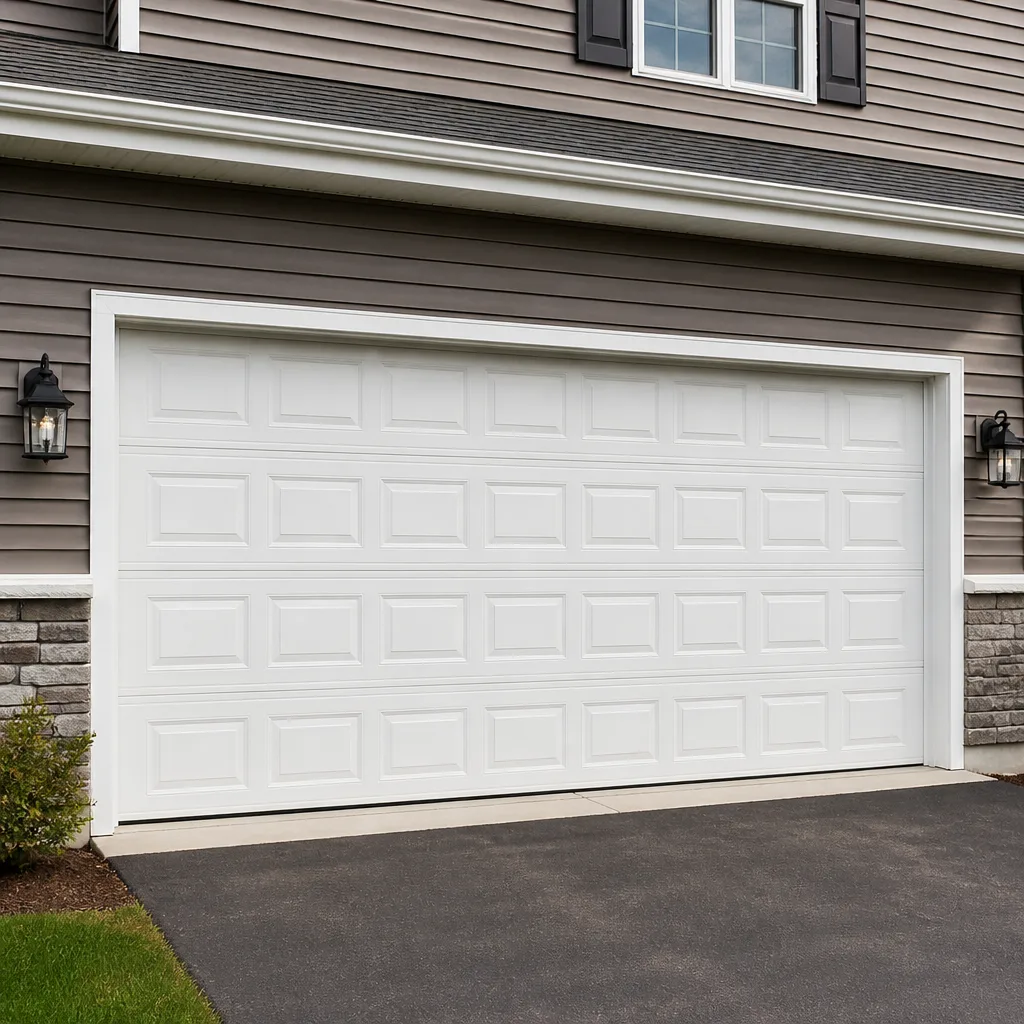 Raised-panel steel
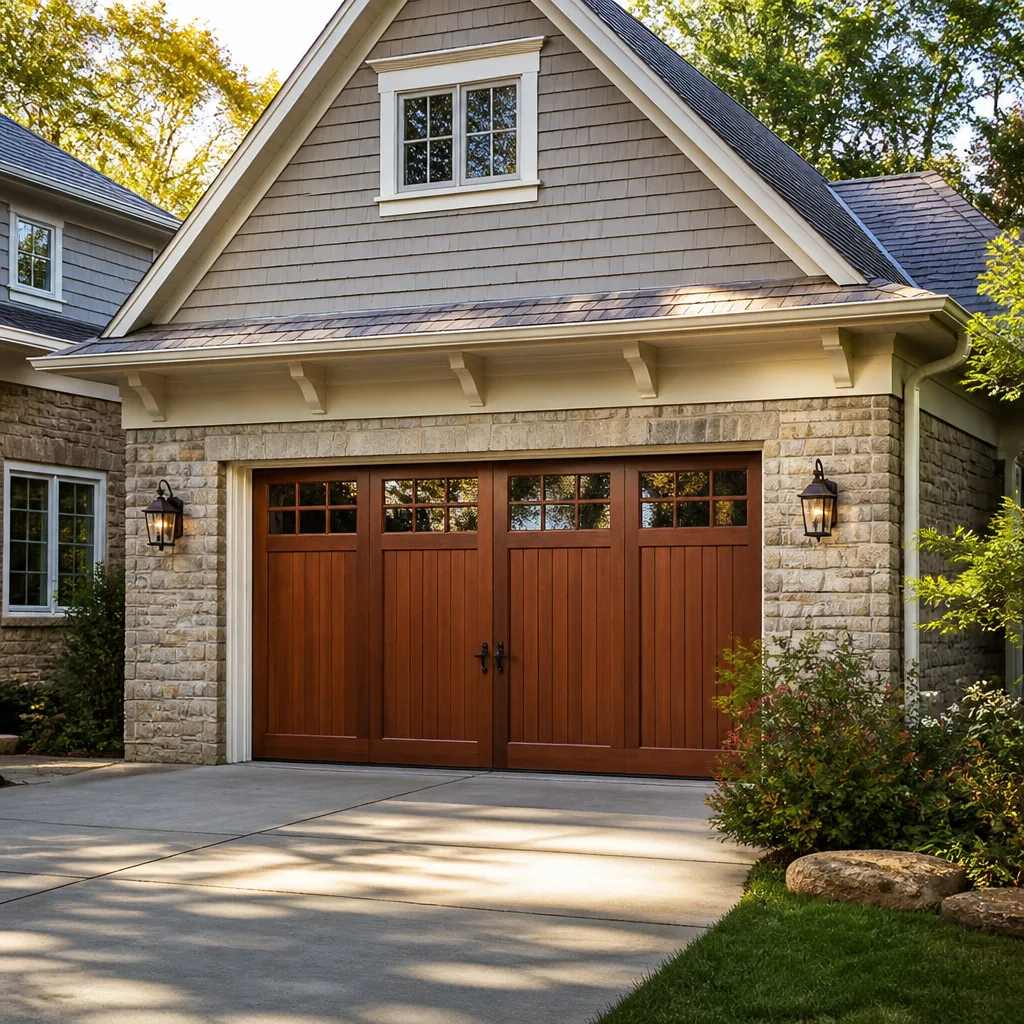 Carriage house
 Modern flush
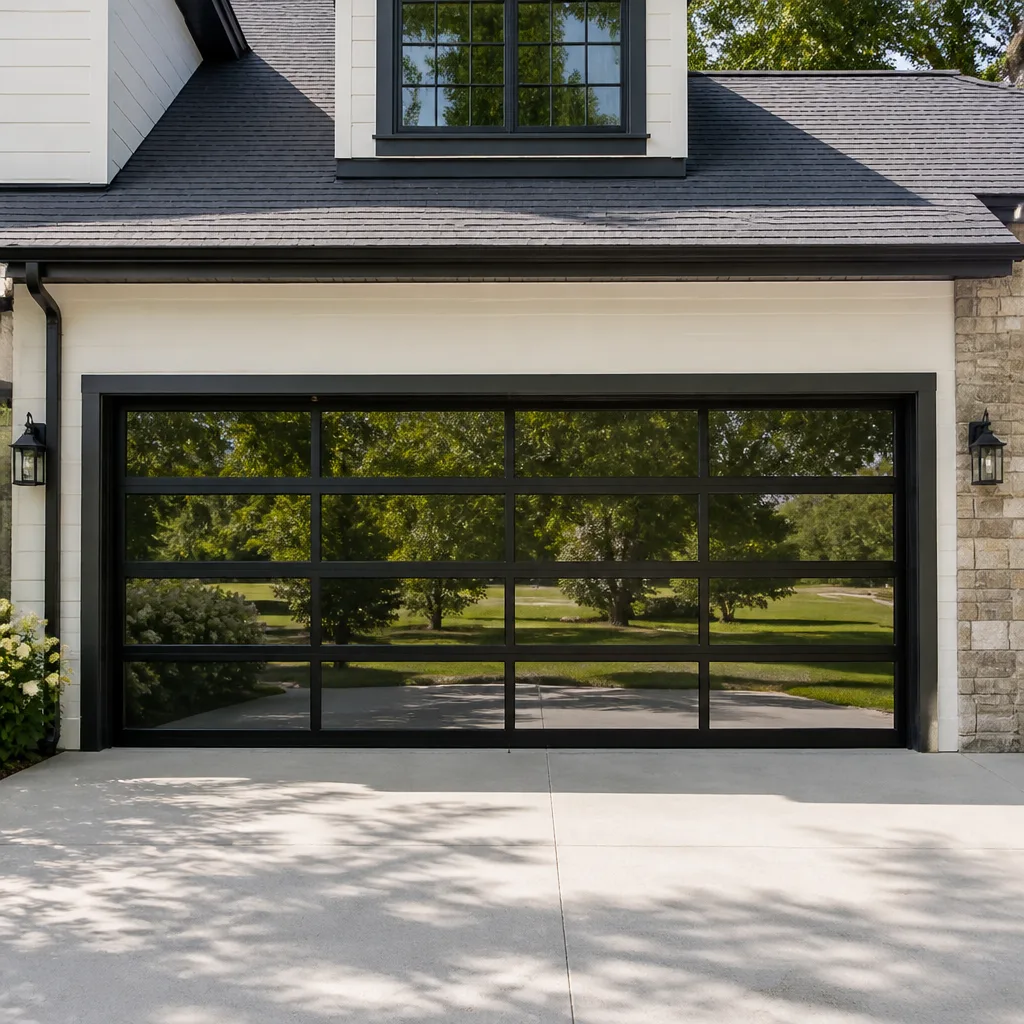 Full-view glass
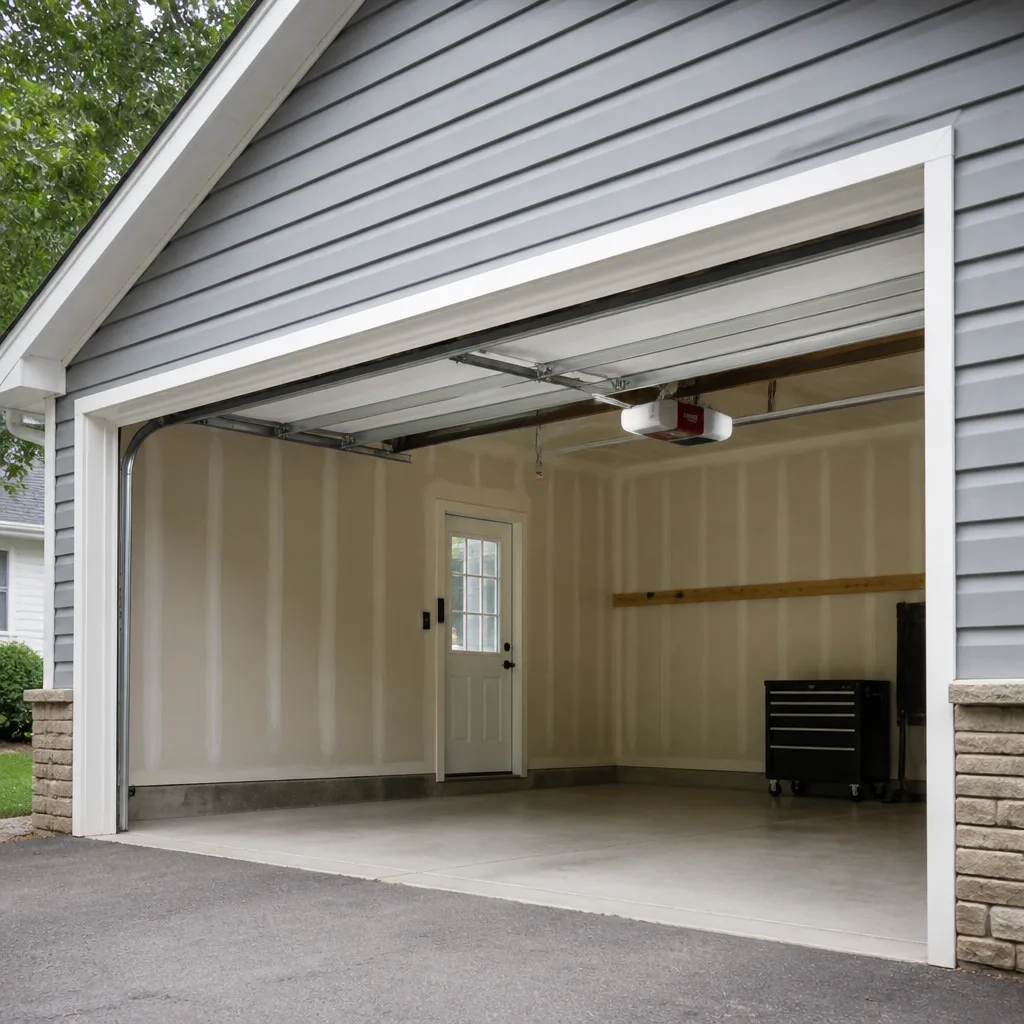 LiftMaster openers
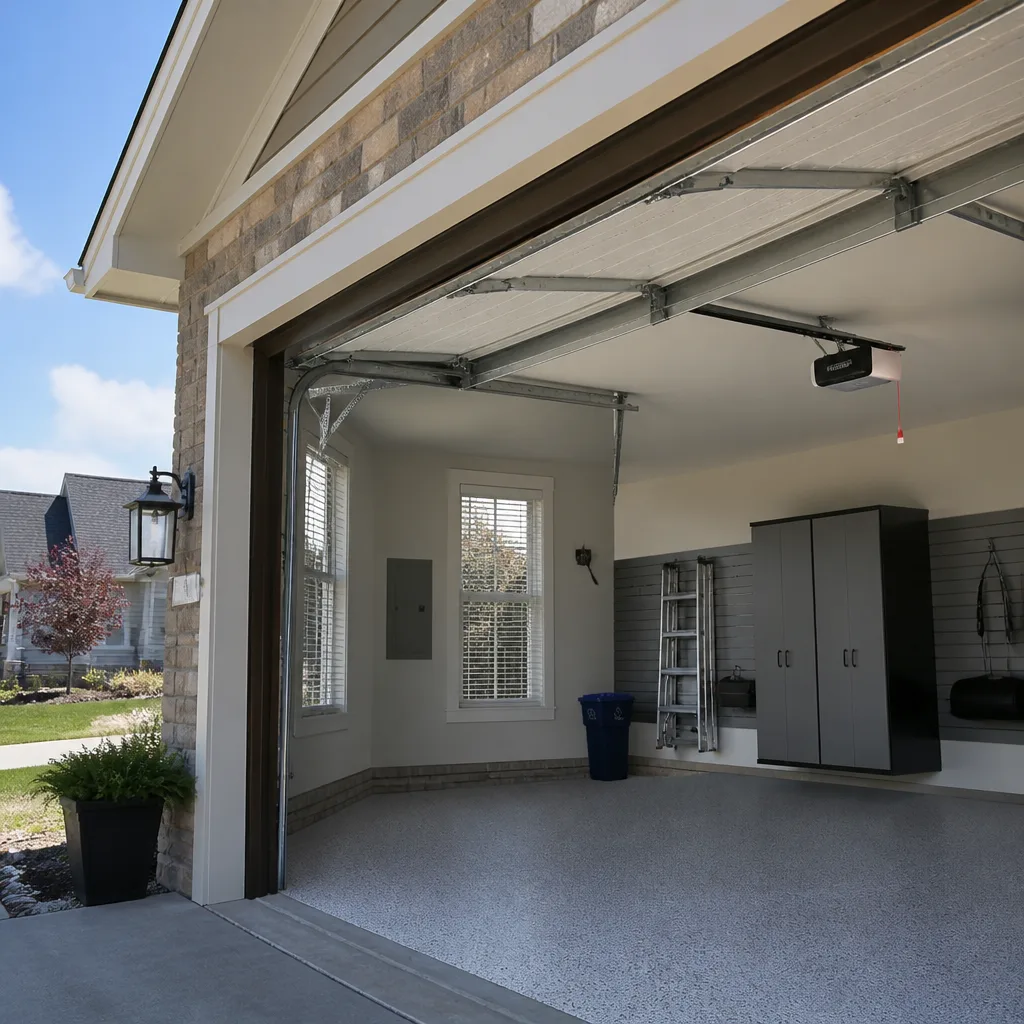 Chamberlain openers
Full 25-point door and opener safety check with every visit - springs, cables, rollers, tracks, and your LiftMaster or Chamberlain opener included
You get a price before we start. It does not change when the pro arrives.
Get your free estimateGarage Door Permits, Codes & Inspections in Delaware, OH: What You Need to Know
Most homeowners in Delaware, OH assume a garage door replacement never needs a permit. Most of the time they’re right, and that gap between “usually” and “always” is where the trouble lives. The permit question isn’t about paperwork for its own sake. It comes down to whether your homeowner’s coverage stands behind you if the door fails and something gets damaged. A door hung without a required permit is exactly the kind of thing an adjuster asks about first. This guide covers the code triggers that flip a job from no permit to permit required, how fire separation works on an attached garage, what an inspection actually checks, and how the HOA layer at the subdivision level changes what you can install. By the end you’ll know when to call the city and when to just sign the contract. That’s built for Delaware, and the rules here have quirks worth understanding.
Quick Answer
In Delaware, OH, a straight garage door swap of a like-for-like size with no structural change usually does not require a permit, but any job that alters the opening, changes the door’s size, or touches the framing or headers almost always does. Attached garages also have to meet fire-separation requirements, and your door assembly needs to satisfy them. Always confirm with the City of Delaware’s building department before work starts, because local code and subdivision rules can tighten the picture further.
Styles & brands we work with
- Raised-panel steel
- Carriage house
- Modern flush
- Full-view glass
- LiftMaster openers
- Chamberlain openers
Table of Contents
- When does a garage door job in Delaware need a permit?
- How do fire-separation requirements apply to attached garages?
- What a code-compliant installation looks like on paper
- How to verify your contractor pulls permits when required
- The HOA layer: how deed restrictions stack on city code
- What happens during an inspection, and how to pass the first time
- Why the Delaware climate and housing stock matter to your door
- Common mistakes to avoid
When does a garage door job in Delaware need a permit?
The short rule: if you’re replacing one door with the same size door in the same opening, you’re typically in the no-permit zone. If the job changes the shape or size of the opening, adds a new opening to the wall, or touches load-bearing framing, you almost certainly need one. The distinction isn’t fussiness. A permit creates a paper trail proving the work met current structural and safety standards, and that record is what insurance companies point to if something goes wrong.
Here’s how the triggers break down in practice:
- Like-for-like replacement: Same width, same height, same track layout, same opening. Usually no permit.
- Size change: Widening or raising the opening, even a few inches, alters the header load. Permit required.
- New opening: Cutting a new garage door into a wall that didn’t have one. Permit required, plus structural review.
- Header or framing modification: Any change to the structural members above or beside the opening. Permit required.
- Converting a garage to living space: A separate permit and inspection path entirely, and one that changes what your door has to do.
- Electrical work for a new opener circuit: New wiring usually requires an electrical permit separately from the door itself.
The trickiest scenario in Delaware, OH is the older home where a previous owner enlarged the opening and never documented it. If you’re replacing that door, the city may ask you to bring the opening into compliance first. That’s one reason we recommend having the wall inspected before you order a door, not after. A 10-minute conversation with the building department beats a reordered door sitting in a driveway.
For a straightforward replacement or a new install, start with our garage door installation service. We measure the opening on site so the door is right the first time.
How do fire-separation requirements apply to attached garages?
Ohio’s Residential Code treats an attached garage as a fire-separation problem, and the requirements exist to give your family time to get out if a fire starts in the garage. The wall between the house and the garage must be fire-rated, and the door assembly is part of that separation. That means the materials around the door – the frame, the weatherstripping, and the door’s own construction – all play a role in whether the assembly holds.
What does that mean for a Delaware, OH homeowner choosing a door?
- Door material matters: Insulated steel and solid-core doors perform well as fire barriers. A hollow-core or unsound door does not.
- The frame is part of the assembly: Gaps, missing weatherstripping, or a loose frame break the separation. These get fixed before the door goes up.
- The wall matters as much as the door: Drywall on the garage side, sealed seams, and the correct door and jamb combination all contribute.
- Openers and wiring must not compromise the assembly: Penetrations through the fire-rated wall need to be properly sealed.
If you’re installing a new door and the ceiling or wall is exposed, an inspector may want to see fire-rated materials around the opening before signing off. That’s especially true when a previous renovation took shortcuts. We’ve walked into plenty of Delaware garages where someone put up an uninsulated door and called it done. It wasn’t wrong because the door was ugly. It was wrong because the assembly didn’t hold up to what code expects.
If any of this raises a red flag on your door, garage door repair is the starting point. We’ll tell you whether the assembly is sound or whether the door itself is the weak link.
What a code-compliant installation looks like on paper
A code-compliant job has a specific paper trail behind it. Whether the city requires a permit for your job or not, asking for that documentation is how you know the work was done right. Here’s what a professional should be able to hand you:
- A written scope of work: Door make, model, size, material, and the exact opening dimensions, signed before work starts.
- Manufacturer documentation: Installation instructions and product specs for the door you’re putting in. LiftMaster and Chamberlain branded openers should come with their own documentation if they’re part of the job.
- Permit copy, if one was required: The permit number and the inspection record, dated and signed by the inspector.
- Fire-separation verification, if it applies: A written note confirming the door assembly meets code for an attached garage.
- Warranty paperwork: Door and hardware coverage, plus the company’s own labor warranty.
- Model and serial numbers: So you have them if a part fails later or if you sell the home.
Get this in writing before the first screw goes in. A contractor who pulls permits but won’t show you the documentation is not a contractor worth signing with. In Delaware, OH, the city’s building department can pull a permit history if you ever need to verify, but it’s much easier to get the papers up front.
We treat this as standard practice on every install. If you’re replacing an opener while the door is off, garage door opener repair and replacement are on the same job ticket. One visit, one set of paperwork.
How to verify your contractor pulls permits when required
Verifying a contractor is straightforward if you know what to ask. Most of the time the answer tells you everything you need to know about how the company operates.
Here’s the checklist:
- Ask who pulls the permit: The homeowner or the contractor. In most cases, the contractor should be the one to pull it, in the name of the homeowner, before work starts.
- Ask for the permit number before the crew arrives: A reputable contractor will have the number and the inspection schedule in hand on day one.
- Ask what happens if the inspection fails: The contractor should be able to describe the correction process and cover the re-inspection cost.
- Verify insurance: The contractor should carry general liability and workers’ compensation insurance, and should be willing to show you proof.
- Check the licensing status: Ohio licenses certain trades separately, so ask how your contractor is licensed for the scope of your job.
- Look for a written contract with clear scope: A handshake is not a contract. Get it in writing.
A contractor who says “you don’t need a permit for this” without looking at the job is guessing. A contractor who says “let me look at whether your job triggers a permit” is doing the right thing. That distinction matters more in Delaware, OH than most homeowners realize, because the housing stock spans new construction in the Olentangy area, older homes closer to downtown, and homes being renovated by owners who’ve never pulled a permit before.
We’re happy to walk through the permit question with you before you decide who to hire. Call (833) 509-5064. We answer 24/7. Fast dispatch from 7am to 7pm, Sunday through Friday.
The HOA layer: how deed restrictions stack on city code
Delaware, OH sits inside a patchwork of HOAs, and each one has its own rules on top of city code. That’s the layer most homeowners don’t think to check until a neighbor files a complaint. The rules vary widely, but here’s the pattern we see.
In newer subdivisions, especially in the Olentangy corridor, deed restrictions often prescribe door material and panel style. Steel or wood-look doors that match the house’s elevation. Doors in a specific color within a specific range. No visible window patterns if the neighborhood standard doesn’t call for them. Some HOAs prohibit certain finishes entirely.
In older neighborhoods closer to downtown Delaware, the historic character provisions sometimes apply instead of an HOA. That can mean a door style that matches the period of the home, painted in a color from a specific palette, without the more industrial-looking patterns some manufacturers offer.
Here’s the practical process that works:
- Pull your deed restrictions and CC&Rs before you shop. The document spells out what your HOA can and can’t dictate about exterior changes.
- Submit an ARC request if your HOA has one. An Architectural Review Committee, or ARC, approves exterior changes in writing before you buy the door.
- Get the approval in writing. Verbal approval from a board member can evaporate when a new board is seated.
- Keep the approval with your door paperwork. If a future homeowner or a sale inspection asks, you’ll have it.
- Check the city code separately. HOA approval doesn’t override the permit requirement. You still need both.
Brand fluency helps here. If your HOA requires a specific style, we can tell you whether Clopay or Amarr makes a model that fits, or whether Raynor has a match for an older home’s elevation. That saves a trip to a showroom and two weeks of back-and-forth.
What happens during an inspection, and how to pass the first time
The inspection is where the paperwork becomes real. An inspector checks whether the work meets the standards the permit was issued against. Preparation is mostly about having clear access and clear documentation.
Here’s the typical flow for a garage door inspection:
- The inspector arrives and checks the permit number against the job. Make sure the permit is posted where the inspector can see it. If the crew left paperwork on the kitchen counter, it isn’t doing its job.
- Structural checks: If the job involved any framing, the inspector verifies the header and door framing meet the approved plan.
- Fire-separation check: On attached garages, the inspector looks at the wall, the door assembly, and any penetrations. Missing or damaged weatherstripping gets flagged.
- Operating check: The door runs open and closed. The inspector verifies the safety reversal on the opener, and the auto-reverse system on the door must be functional.
- Sign-off or correction list: Either the inspector signs off, or hands you a written correction list. Corrections get made and re-inspected.
What to do to pass the first time:
- Clear the garage floor. The inspector needs to walk around the door and check the tracks, springs, and operator.
- Have the door operating. If the opener is disconnected or the spring is broken, the inspector will come back. That’s a wasted trip for everyone.
- Have the paperwork. The permit copy, product documentation, and any HOA approval should be on site or handed to the inspector.
- Replace failing weatherstripping before the visit. It’s a two-dollar fix that saves a re-inspection.
If the door fails and the correction is complex – a broken spring, a bent track, a misaligned opener – call us before you schedule the re-inspection. Call (833) 509-5064. We answer 24/7. Fast dispatch from 7am to 7pm, Sunday through Friday. We’ll get the door back into a state where it can pass.
Why the Delaware climate and housing stock matter to your door
Delaware, OH sits in central Ohio, which means hot humid summers, cold winters with freeze-thaw cycles, and enough rain that standing water shows up in low spots more often than homeowners expect. The climate affects the door in predictable ways, and that has potential bearing on the inspection.
Summer heat and humidity cause wood doors to swell and steel doors to expand. Panels that fit in March may bind in July. Weatherstripping that was tight in winter can fail in summer heat. If you’re replacing a door in summer and the job runs into a hot stretch, installers need to account for that expansion.
Winter freeze-thaw puts pressure on the concrete at the base of the opening. A door that sits flush against the floor in October can scrape in January. The bottom seal needs to sit correctly, and the door should have enough clearance to operate in cold weather.
Spring storms and wind are the least predictable factor. In Delaware, OH, wind loading matters more than hail for most doors. A properly installed, correctly sized door handles typical wind without issue; a door that’s undersized or installed off-plumb won’t.
The housing stock adds another wrinkle. Homes in the newer developments often have narrower openings and taller doors than homes closer to downtown. A door that fits one neighborhood won’t fit the other, and that matters for your permit scope if you’re swapping sizes. Clopay and Amarr have solid options for the narrower openings we see in newer Olentangy-area builds; LiftMaster and Chamberlain openers pair with either.
If you’re dealing with a door that’s failing because of age or weather, Garage Door Repair Delaware is the page to start from. We work on doors regardless of brand, so whatever came with the house is fine.
Common Mistakes to Avoid
- Skipping the permit on a size change. Homeowners assume a “replacement” is a like-for-like swap, but if the new door is a different height or width, the opening changes and the permit requirement kicks in. The savings from skipping it don’t cover the resale headache later.
- Trusting the contractor’s permit claim without paperwork. A contractor can say “we’ll pull the permit” and then not do it. Get the permit number before work starts. If the number doesn’t exist, the permit doesn’t either.
- Buying the door before checking HOA rules. In Delaware, OH subdivisions, an approved-in-city door can still be rejected by the HOA. Read the deed restrictions first, submit the ARC request if required, and get approval in writing before you order.
- Ignoring fire separation on an attached garage. Reusing older, non-rated doors or leaving gaps after an install is a common shortcut. The inspector will catch it, and the door may not perform as intended if a fire starts.
- Skipping the door verification after a repair. After any spring or track work, the door needs a fresh safety reversal test. Skipping it is a real safety issue that inspectors flag immediately.
- Hiring a general handyman for the job. Garage doors are their own trade. Springs, openers, and structural openings are not handyman work, and a job done off-book usually ends up on the inspector’s correction list.
- Assuming the city code and the HOA code are the same thing. They’re independent. You can pass a city inspection and still get a violation notice from your HOA. Check both, every time.
See the difference
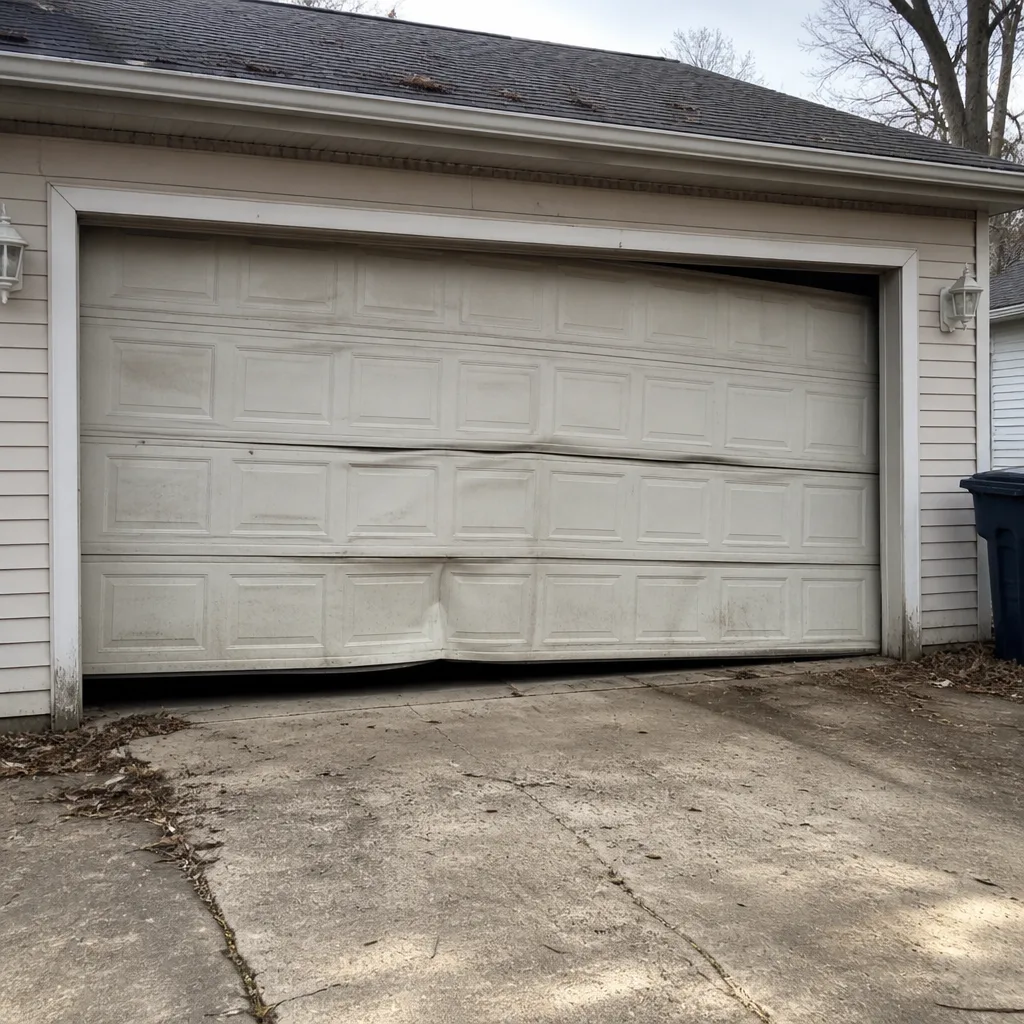 Before
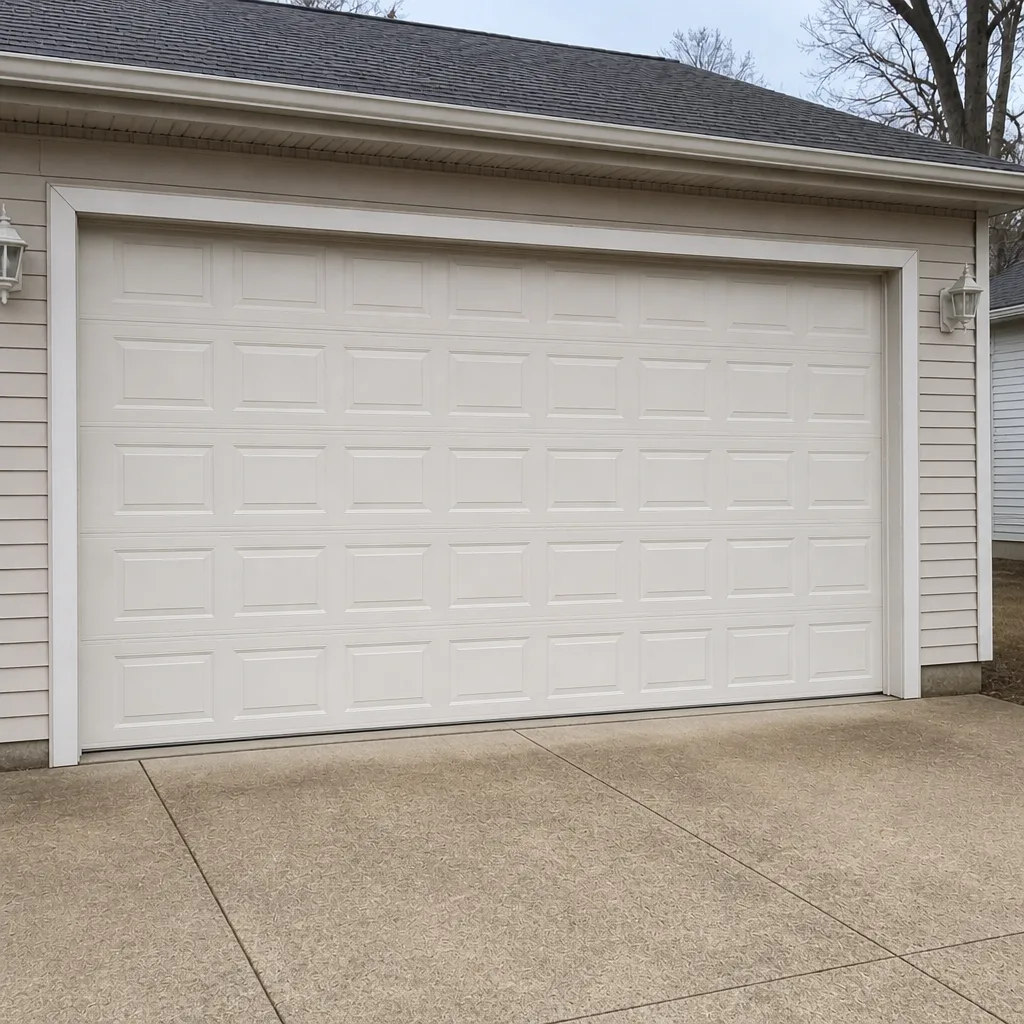 After
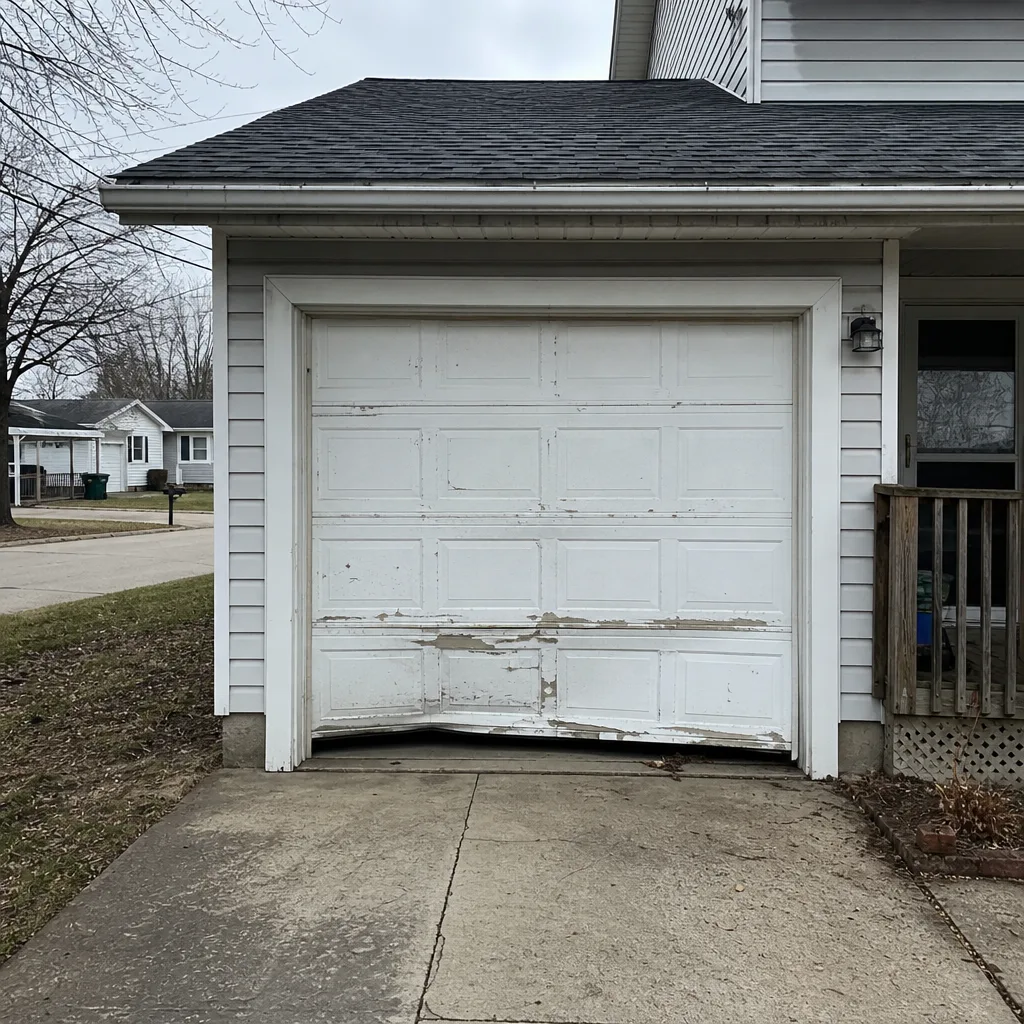 Before
 After
 Before
 After
When to Call a Professional
Some garage door problems are within reach of a patient homeowner. The ones that aren’t are the springs, the balance, the openers, and anything touching the structural opening. If you’re hearing a loud bang from the garage, finding a snapped spring, watching the door close unevenly, seeing a track that’s bent outward, or running an opener that has stopped responding, call us. These are the scenarios that end up in an unsafe door the next morning. Attached-garage safety is not a place to guess.
We’re also the call when you’re replacing a door and can’t tell whether the job triggers a permit. We’ll look at the opening and walk through the fire-separation question before you order anything. Garage Door Repair Delaware offers free estimates in Delaware – call (833) 509-5064. We answer 24/7. Fast dispatch from 7am to 7pm, Sunday through Friday. Our technicians have up to 11 years of experience, and we specialize exclusively in garage doors, which means we know the code and inspection patterns in Delaware, OH.
Frequently Asked Questions
Usually not, if the replacement door is the same size and shape as the door it’s replacing, in the same opening, with no structural changes. If the width, height, or location of the opening changes, or if the framing around the opening is modified, most Delaware, OH jobs require a permit. Confirm with the City of Delaware’s building department before you order the door. Call (833) 509-5064 for a free estimate and we’ll help you read the scope.
The work can be flagged as unpermitted, which may mean the inspector issues a correction order, the door has to be brought into compliance, and the resale or refinance of the home can be delayed until the paperwork is resolved. The permit isn’t the contractor’s problem alone; it belongs to the homeowner of record. Call (833) 509-5064 if you’re not sure whether your job needs one.
Timelines depend on the City of Delaware’s building department, the scope of the job, and the inspection schedule, so ask them directly when you pull the permit. A like-for-like door replacement with no structural work rarely involves an inspection at all. A job that touches the opening or the fire-rated wall typically requires a scheduled inspection before final sign-off. Call (833) 509-5064 if you want to talk through the scope before you start the permit process.
Fire separation is the code standard that keeps a fire in your garage from reaching the living space of the home too quickly. Ohio’s residential code applies it to attached garages, and the door assembly – including the door, frame, and weatherstripping – is part of that barrier. A door that’s not rated for fire separation, or one installed with gaps and missing weatherstripping, breaks the barrier. We’ll tell you whether your assembly meets the standard. Call (833) 509-5064.
HOA approval and city permits are separate requirements, and you often need both. Your HOA may require a particular door design, material, or color that matches the neighborhood elevation; once approved, the city permit covers the structural and safety side. Get HOA approval in writing before you order. Call (833) 509-5064 and we’ll help you find a door that matches your HOA’s style without breaking the budget.
The written estimate sets the final price. We look at the opening, the door, the opener, and the permit scope before we quote, and the quote is what you sign. If something unexpected turns up during the work, we stop and talk to you before proceeding, not after. Call (833) 509-5064. Estimates are free, and we answer 24/7 with fast dispatch from 7am to 7pm, Sunday through Friday.
The Bottom Line
The permit question comes down to this: like-for-like replacement of a same-size door usually doesn’t need one, and any change to the opening, size, or framing almost always does. Attached garages have to meet fire-separation requirements, and the door assembly is part of that barrier. Verify that your contractor pulls the permit when required, gets it in writing, and shows you the paperwork before work starts. Check your HOA’s deed restrictions before you order a door, and clear the garage floor for the inspector. When the work is done right, the inspection is short, the door operates well, and the insurance record stands behind you. If any of this feels uncertain, call us. Garage Door Repair Delaware works on doors across every major brand, and we know what a Delaware, OH inspection actually checks. Call (833) 509-5064 for a free estimate. We answer 24/7. Fast dispatch from 7am to 7pm, Sunday through Friday.
Written by the team at Garage Door Repair Delaware.