
Last updated November 22, 2026
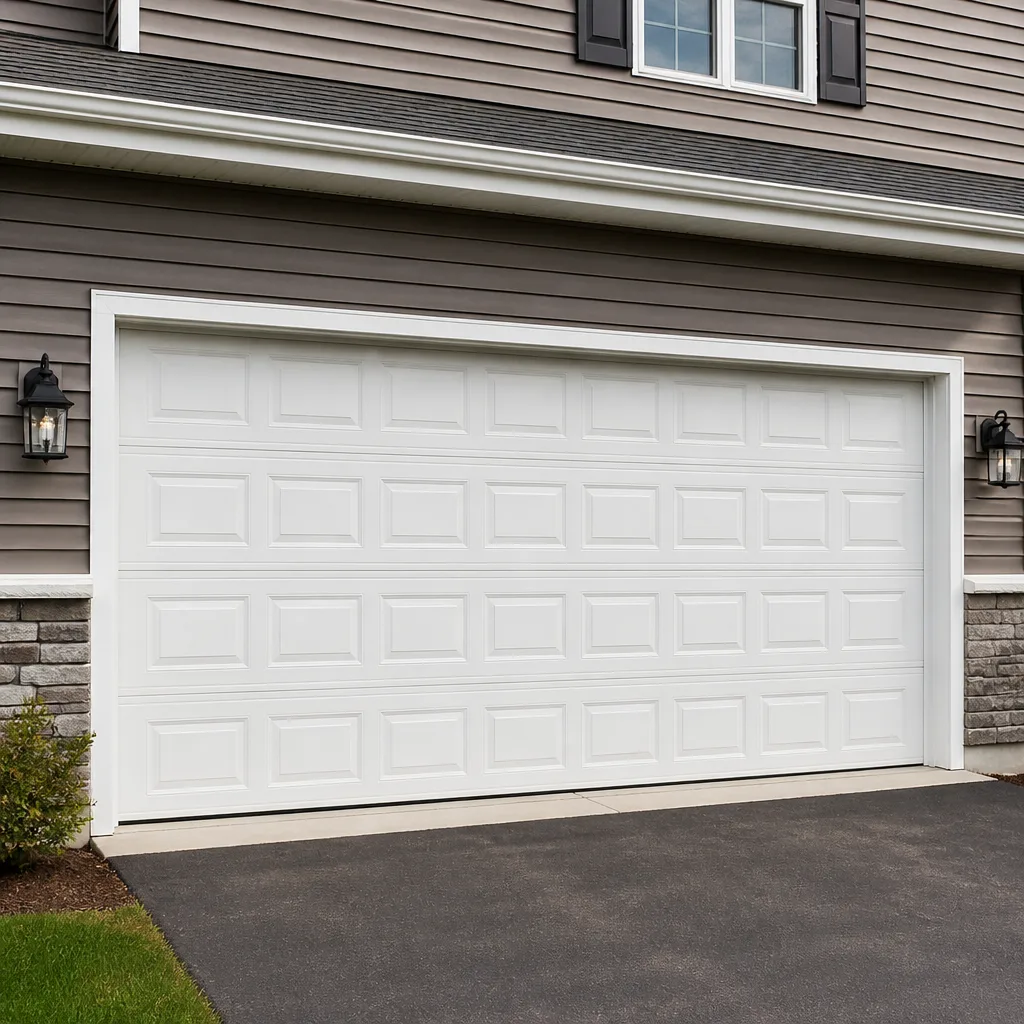 Raised-panel steel
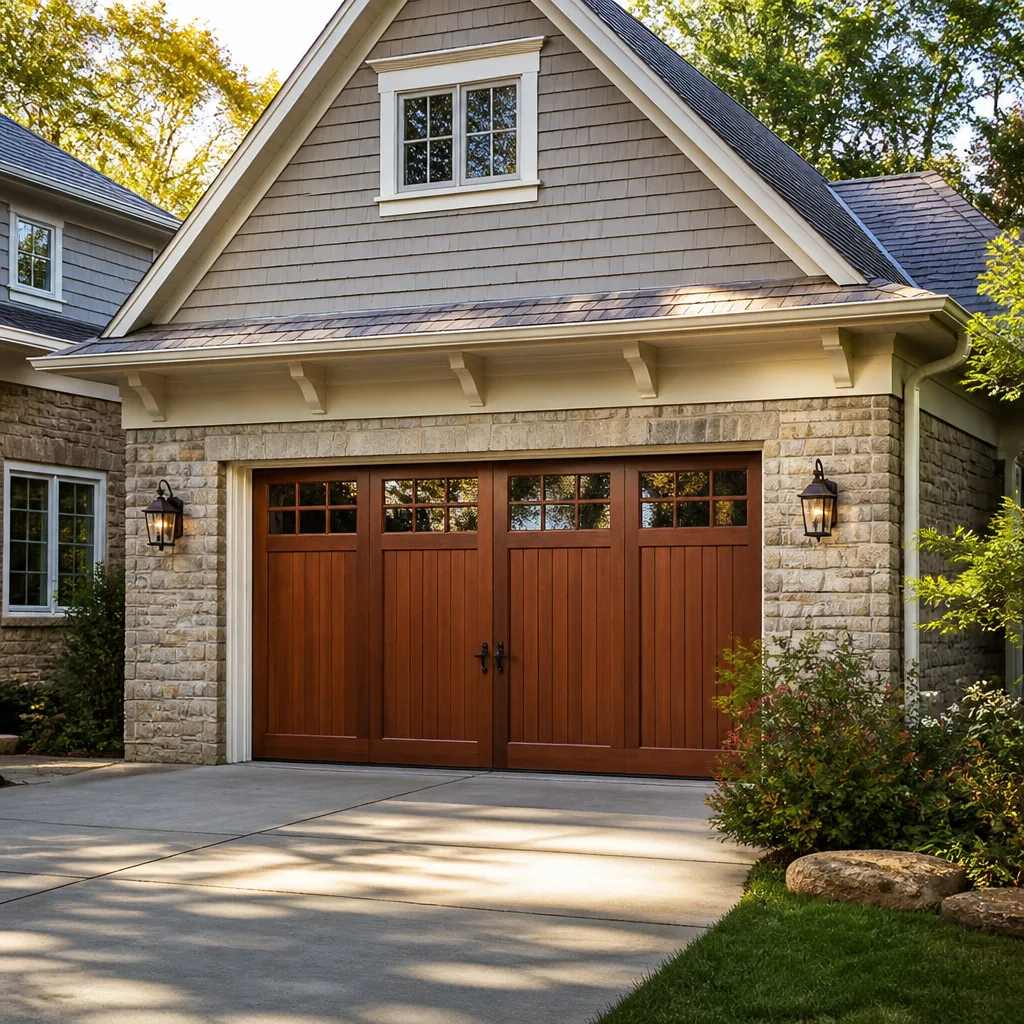 Carriage house
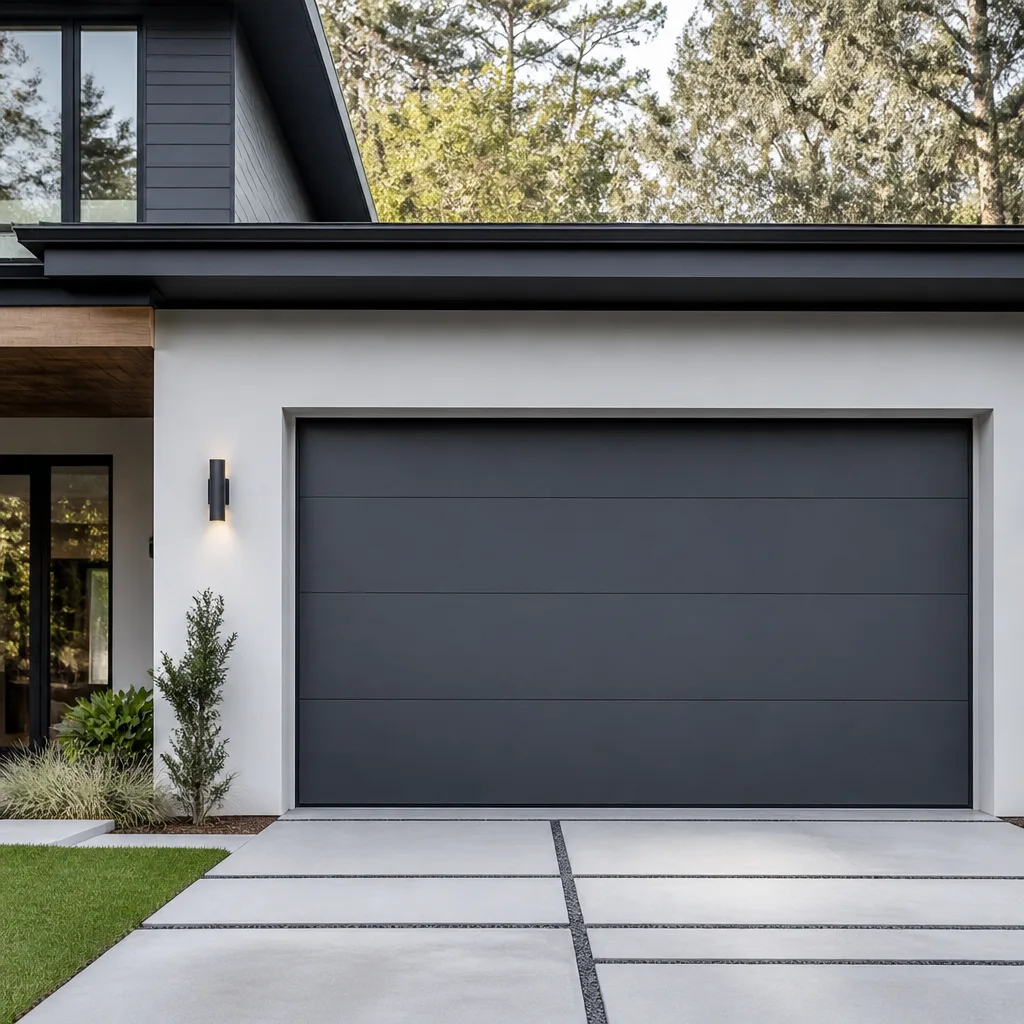 Modern flush
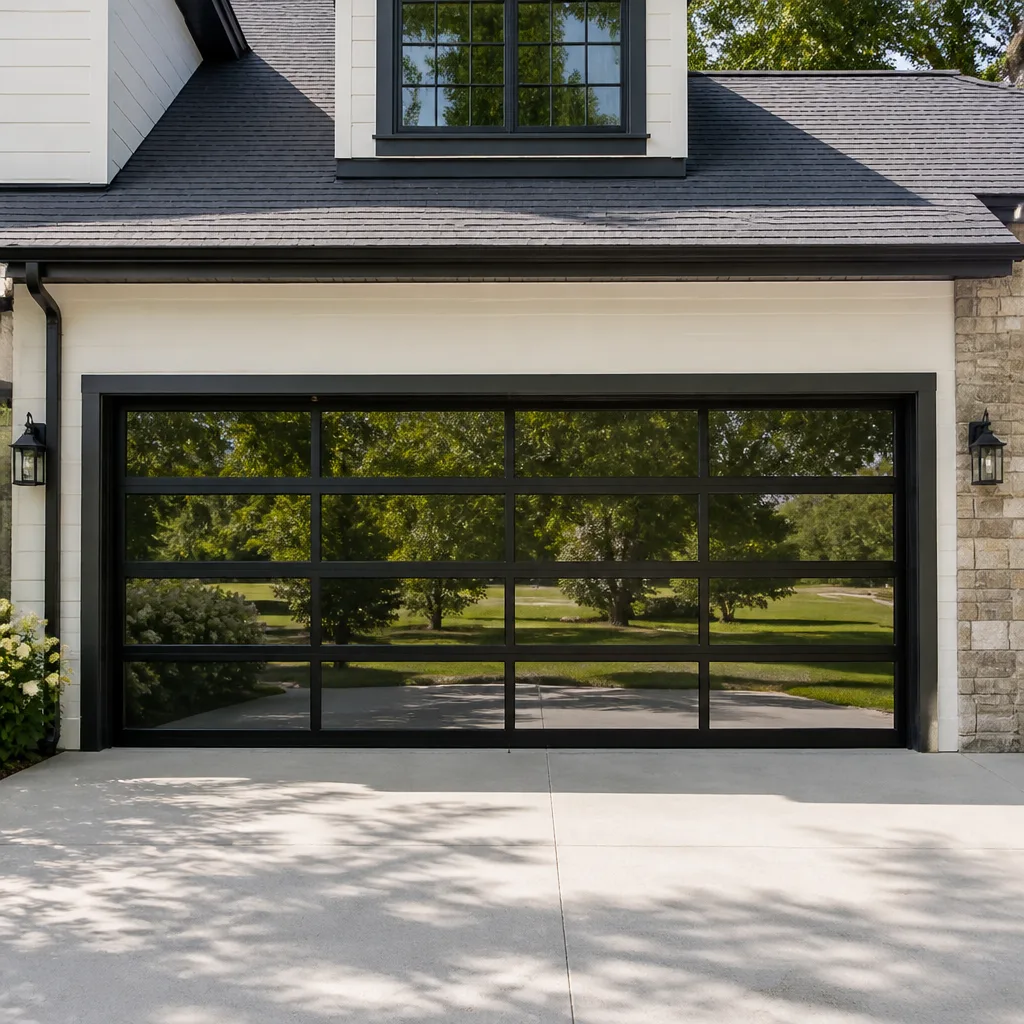 Full-view glass
 LiftMaster openers
 Chamberlain openers
Full 25-point door and opener safety check with every visit - springs, cables, rollers, tracks, and your LiftMaster or Chamberlain opener included
You get a price before we start. It does not change when the pro arrives.
Get your free estimateDIY vs Professional Garage Door: The Delaware Homeowner’s Decision Guide
Most homeowners ask the wrong question. They ask “can I do this myself?” when the better question is “which parts of this job can I safely do myself?” A garage door has two completely different faces. One is a set of mechanical parts under heavy tension that can injure a person in a fraction of a second. The other is brackets, sensors, rollers and tracks that a careful homeowner with basic tools can handle on a Sunday afternoon. Blurring those two together is where money gets wasted and where people get hurt. This guide draws the line precisely for Delaware homeowners, task by task, so you stop paying for work you could do yourself and stop attempting work that should go to a trained technician.
Quick Answer
The safest rule for Delaware homeowners is this: cosmetic and low-tension jobs (sensor alignment, lubrication, tightening loose brackets, replacing weather sealing) are homeowner-safe. Anything that holds the door’s weight or balances it (torsion and extension springs, cables, the bottom bracket) belongs to a trained professional, full stop. Everything in between, from rollers to openers to track straightening, depends on your specific door configuration, and this guide breaks those gray-zone jobs down one by one.
Styles & brands we work with
- Raised-panel steel
- Carriage house
- Modern flush
- Full-view glass
- LiftMaster openers
- Chamberlain openers
Table of Contents
- What’s actually under tension (and why it changes the answer)
- Jobs that are genuinely homeowner-safe with basic tools
- Jobs that require professional training, no exceptions
- The gray zone: jobs where your door configuration decides
- The real cost of a DIY mistake in the Delaware market
- How Ohio homeowners insurance treats self-performed repairs
- The tool list: what you actually need vs what videos assume
- When calling a pro saves money even if you could do it
What’s actually under tension (and why it changes the answer)
Every garage door decision comes back to stored energy. A torsion spring on a standard double door holds enough mechanical tension to lift the door, and that same tension is present whether the door is open, closed or halfway. When a torsion spring fails, it releases that energy all at once. The same is true of extension springs that run alongside the tracks on older single doors. Any task that involves transferring, adjusting or releasing that tension carries real injury risk, and the risk scales with the door’s weight and height.
In our experience working on doors across Delaware, this is the distinction most DIY garage door videos skip right past. The video shows a person confidently winding a spring with two winding bars. It does not show how many times that same operation goes wrong for someone who has never felt what a torsion spring does under load, or who is standing on a ladder instead of a stable platform. We’re not going to talk you out of every job around the door. We are going to separate the jobs that store energy from the jobs that don’t.
A quick way to categorize any task you’re considering:
- Energy-storing parts: torsion springs, extension springs, cables, the bottom bracket and the drums at the ends of the torsion bar. These balance and hold the door’s weight.
- Low-tension moving parts: rollers, hinges, bearing plates, the top bracket where the arm from the opener attaches.
- Non-structural hardware: sensors, photo-eyes, weather stripping, bottom seals, lubrication points, opener remotes and keypads.
If the part you’re about to touch is on the first list, stop and read the next two sections carefully. That line is the whole guide in one sentence. Everything else is a judgment call about tools, warranty and time, and those get easier once the safety question is settled.
Jobs that are genuinely homeowner-safe with basic tools
These tasks involve no stored spring tension and no need to lift or support the door’s weight. A careful homeowner with a screwdriver, an adjustable wrench and a level can finish them in under an hour, and doing so saves a service call.
- Realigning the safety sensors. If the door won’t close and the opener light blinks, walk over to the photo-eyes near the floor and look for a glowing LED on each one. If one is dark or the lenses are dusty, wipe them down and nudge the bracket until both lights are solid. A small torpedo level helps you confirm they’re aimed at each other. This is the classic eight-minute repair and it’s the number one thing to check before you call anyone.
- Lubricating the moving parts. Wipe the roller stems, hinges and the torsion bar bearings with a garage door lubricant once a year. In Delaware’s damp spring and cold winter swings, hardware dries out and starts to squeal. A few minutes with a spray can quiets a door and slows wear. Don’t use a heavy grease that collects grit.
- Replacing the bottom weather seal. The rubber or vinyl strip at the bottom of the door pulls out of its track (or unscrews from a retainer) and slides back in from one end. Measure the door first. It’s a homeowner job that keeps rain, leaves and cold air out of the garage.
- Tightening loose bracket bolts and inspecting for wear. Run the door halfway up and look at every hinge, roller and bracket. Tighten anything loose with a wrench. Look at the rollers: steel rollers that are noisy or cracked should be replaced, and that’s a low-tension job when the door is in the open position.
- Clearing debris from the tracks. Use a dry cloth or a vacuum nozzle. Don’t spray lubricant into the tracks, since it attracts dirt and makes things worse.
- Replacing opener remote batteries, reprogramming keypads and reconnecting LiftMaster or Craftsman remotes to the wall unit. Every opener brand has a simple pairing procedure, and this is one of the few jobs where “read the manual” is genuinely enough.
Notice what’s absent from that list. Nothing on it requires you to lift the door, stand on a ladder to reach a spring, or touch anything that’s holding the door up. That’s the test. If your task isn’t on this list, keep reading.
Jobs that require professional training, no exceptions
This is the section worth reading twice. The parts below store enough mechanical energy to break a wrist, crush a hand or worse in a fraction of a second, and the danger doesn’t announce itself with a warning sign. A wound torsion spring looks almost identical to a healthy one until it lets go. We recommend a trained professional for every task on this list, and we say so without apology.
- Torsion spring replacement. The horizontal bar above the door holds two springs that balance the full door weight. Winding and winding down those springs requires the correct winding bars, a knowledge of how many turns a given door needs, and a stable point to stand on. Losing control of a winding bar mid-wrap is how people get hurt. A spring is also the most dangerous thing in the garage when it fails, which is why spring repair is its own dedicated specialty in this trade. For a proper repair, this is a call to a specialist, not a home project.
- Extension spring replacement. Older single doors use springs that stretch alongside the tracks. Even with safety cables installed, releasing a stretched extension spring requires controlled, trained handling and the right hardware.
- Replacing cables. The cables travel from the bottom bracket up to the drums. If a cable snaps, the door can drop or shift violently. Never touch a cable under tension, and never use your fingers or a tool to pry a stubborn cable by hand.
- Bottom bracket work. The bottom bracket is where the cable attaches to the door. Many people assume it’s low-tension because it’s at the bottom. It isn’t. It carries the full cable load.
- Panels that took a hit. A dented or cracked steel panel from a backed-into car or a tree branch is a structural swap, not a pop-and-glue job. Misaligned sections can bind tracks and put more stress on springs. If the door was hit, the whole balance of the door needs checked, not just the panel.
- Doors that came off track. A door hanging off its track is unstable and can fall. Don’t ride it and don’t force it back with a pry bar and a friend. It’s a call-for-help situation.
If you remember one thing from this guide, remember this: springs, cables and the bottom bracket are professional territory. If your door won’t open and you can’t identify a sensor or opener problem, the door needs a trained eye before anything else gets touched. When that happens, call (833) 509-5064. We answer 24/7, with fast dispatch from 7am to 7pm.
The gray zone: jobs where your door configuration decides
Some tasks sit in the middle. Whether they’re safe and sensible for you depends on what kind of door you have, how old it is and what tools you own. Here’s how to sort them.
Roller replacement
Replacing rollers is low-tension when the door is in the open position, and many homeowners do it successfully. The deciding factors are your door’s weight and height. A heavy steel double door on a two-car garage is a different job than a lightweight single door. If you can’t comfortably reach every roller with both feet on the ground, or the door feels hard to move by hand, a technician is a safer call.
Track straightening
A track that’s bent a quarter inch out of alignment causes the door to bind, which over-works the opener and the springs. A gentle adjustment on a loose bracket is a homeowner job. A dented, twisted or badly kinked track that changes the door’s travel is a professional job, because it needs to be squared against the whole assembly.
Opener replacement and opener repair
Many opener repairs are electrical, and electrical work at the ceiling line isn’t a place to improvise. If the opener is dead, doesn’t reverse, or grinds, call it in. If you’re replacing the opener entirely, the sequence involves disconnecting and reconnecting the door arm, matching the new unit’s travel limits, and verifying reversal settings. A careful homeowner can follow a manual, but the door has to be in good balance first. A new opener on an unbalanced door just wears itself out faster.
Weather sealing on the sides and top
Side jamb seals and top seals are simple and low-risk. Measure the gap first and buy seals that match the actual measurements.
Panel replacement
Single-section panel swaps on a slow-moving door can be handled by a handy homeowner, but panels for many brands (Clopay and Amarr among them) need to match the door’s model exactly, which is why sourcing matters more than installation.
Spring replacement on a very light door
Even on a lightweight single door, the tension involved is no joke. The honest answer is that none of the spring work is in the gray zone. If a spring needs replacing, a technician should be the one winding it.
The real cost of a DIY mistake in the Delaware market
This isn’t a scare-story section. The point is that a failed DIY attempt has a market price to correct, and knowing that price is how you decide whether the DIY route is worth the risk. The worst outcomes are the injury cases, and we’ve covered the safety side. Here are the typical correction costs a homeowner can expect in the Delaware market when a job has to be redone.
| Corrective repair | Typical cost (one spring / per job) |
|---|---|
| Winding correction for an improperly installed spring | Usually the same as a fresh spring repair, since the spring has to be unwound and reset |
| Single torsion spring replacement | $180-$340 per spring |
| Matched pair of torsion springs | About twice the single-spring range, since a pair is normally replaced together |
| Door re-tensing on a tune-up | Comes with the spring repair; a door that was never balanced properly may need a full spring service |
| Track and door realignment after a misaligned attempt | Quoted per job after inspection |
| Panel replacement after impact | Quoted per panel and model |
Those ranges are typical estimates for the Delaware market. The final price is always set by the written estimate, and we quote and agree on that price before any work starts. That’s the difference between a planned repair and an open-ended invoice. If you’ve attempted a job and now need to know what it costs to put it right, call (833) 509-5064. Estimates are free and there’s no charge for the diagnosis.
Beyond parts cost, a few other bills show up when a door fails after a DIY attempt: a bent opener drive gear from a door that ran out of balance, damaged jamb trim from a door that jumped the track, and worn spring life from a door that was over-tightened to make it close. Each one adds to the repair.
How Ohio homeowners insurance treats self-performed repairs
This is the part few homeowners think about until something goes wrong, and the answer is worth understanding before you pick up a winding bar. Most Ohio homeowners insurance policies are designed for accidents, not for work you decided to do yourself. If a spring lets go while you’re winding it and you’re injured, the injury is typically treated as your own medical matter, not a homeowners claim. A person who injures a household member or a helper during a DIY garage door repair has no clean claim path through the typical policy.
Property damage is more nuanced. If a dropped door causes a fire, water damage or damage to a neighbor’s property, there may be coverage under the liability and property sections of your policy. If a failed repair damages the door or car itself, the policy usually covers the loss only if the cause fits the policy wording, and “I was repairing it and bent it” often falls outside the covered event. Policies vary, so read your declarations page or call your agent with a specific question rather than assuming.
What we can say plainly is this: a professionally repaired door puts the correction work on an insured, licensed local pro who works through this state’s requirements. That’s the state of things in Delaware, Ohio, and knowing how a repair is performed and by whom matters as much as the price. We can work with your insurer if a covered repair comes up. When in doubt, get the estimate first and call your agent with the details before any repair. Call (833) 509-5064 to book a free estimate.
The tool list: what you actually need vs what videos assume
The tool gap is real. Garage door tutorial channels tend to assume a fully stocked shop with winding bars, a come-along, and a two-foot level. Most homeowners have a screwdriver set and a tape measure. Here’s an honest split of what the legitimate DIY tasks actually require.
Tools for the safe-do-yourself tasks
- A #2 Phillips and a flathead screwdriver (sensor brackets, weather seal, opener buttons)
- An adjustable wrench or a basic socket set (hinge and bracket bolts)
- A small torpedo level (sensor alignment)
- A tape measure (seals and gap measurements)
- Garage door lubricant, not WD-40, for the hardware
- A step stool, not a ladder, for anything above your head
Tools that signal a professional job
- Two matched winding bars for torsion work. A pair of screwdrivers is not a substitute and shouldn’t be treated as one.
- Cable pullers or come-alongs to handle cable tension
- A door balance check and clamped support to keep the door from dropping
- A cordless impact driver and hex bits that let a technician move rollers and brackets without damaging door skins
- Actual spring sizing knowledge, since springs are matched to door weight and height and the wrong size can shorten door life or fail early
Notice the second list includes things that aren’t tools so much as knowledge. Knowing which spring to buy for a given door is a judgment that the parts store can’t make for you. That’s the reason the trade keeps a lot of this work in-house. If you’re in the gray zone and unsure, get a free estimate and ask what’s involved. We work on your brand (LiftMaster, Wayne Dalton, Raynor among others), and we’re glad to explain the job.
When calling a pro saves money even if you could do it
Once the safety question is settled, the remaining question is economics. In plenty of cases, the pro wins on cost even when a homeowner can technically handle the work. Here’s where that’s true.
Warranty preservation
Manipulating springs, cables and torsion systems on a covered door can void a manufacturer’s warranty on the whole assembly. If a door is still under warranty and the failure is a spring or a structural part, a professionally documented repair keeps the warranty intact for the remaining covered parts.
Parts sourcing advantages
Pro shops can usually source matched springs, model-specific panels and correct opener hardware in the width and size that fits your door. Without that, a homeowner can buy a “close enough” spring and end up with a door that closes a bit harder, opens a bit slower and eats opener gears. On brands like Clopay and Amarr, panel matching is essentially impossible without a supplier relationship.
Time cost on low-frequency repairs
How many times have you replaced a torsion spring? If the answer is zero or one, you’re not only paying for the part; you’re paying for a first attempt. A technician who has done the job hundreds of times finishes it correctly in one pass. That math favors the pro on anything that fails rarely and goes wrong badly.
When the problem spans beyond a single task
Springs, openers, panels and full doors are all one job family, and a technician can spot a related problem before it becomes a second service call. A good example: a homeowner who plans to replace only a remote and finds the opener is on its last legs. We’d rather tell you that during a free estimate than let a dead opener strand your car.
When you don’t want to own the risk
This matters most on doors that are heavy, tall or old. A technician with up to 11 years of experience doesn’t just know the process; they know when to stop. And they carry the training and insurance for the work. That has value beyond the job itself.
Since we handle the full lifecycle from repair to opener repair to new installation, a single call handles the current problem and the next one. Call (833) 509-5064 and we’ll walk through it. We answer 24/7 with fast dispatch from 7am to 7pm.
Common Mistakes to Avoid
- Starting with the biggest tool in the garage. The first move on a door that won’t close should be checking the sensor LEDs, not grabbing a pry bar or a hammer. Most no-close calls in Delaware end at the photo-eyes, and the fix is a wipe and a nudge.
- Winding a torsion spring without winding bars. A screwdriver, a pipe or a piece of rebar is not a winding bar. The tool exists because the job demands it, and the wrong tool often means losing control halfway through the wind.
- Lubricating the tracks. It feels productive and it isn’t. Track lubrication collects grit, makes the rollers chatter and can speed wear. Lubricate the moving hardware, keep the tracks dry and clean.
- Treating a door that jumped track as a “lift it back” project. A door off its track is under unbalanced load. Lifting it by hand can drop the door or bring a spring down with it. In Delaware’s older housing stock, some doors are original to the house and have fewer safety stops than newer builds. Hand it to a technician.
- Replacing only one spring in a pair. Springs wear together. Replacing one and leaving its partner in place usually means a second call a short time later. A matched pair is the standard job, and the pair costs about twice the single-spring figure, not more.
- Buying an opener without checking door balance. A new opener on a door that isn’t balanced burns out its gears and travel limits faster than the old one. Balance is a free check at the time of estimate and cheaper than a second opener.
- Forgetting the state licensing and insurance question. For any pro you hire, ask whether the local pro is licensed and insured as their state requires. A homeowner who skips that check has no protection if something goes wrong on their property.
If you find yourself on the wrong side of any of these mistakes, it’s not a disaster. The good news is a technician can usually sort it out in a single visit. Call (833) 509-5064 for a free estimate.
See the difference
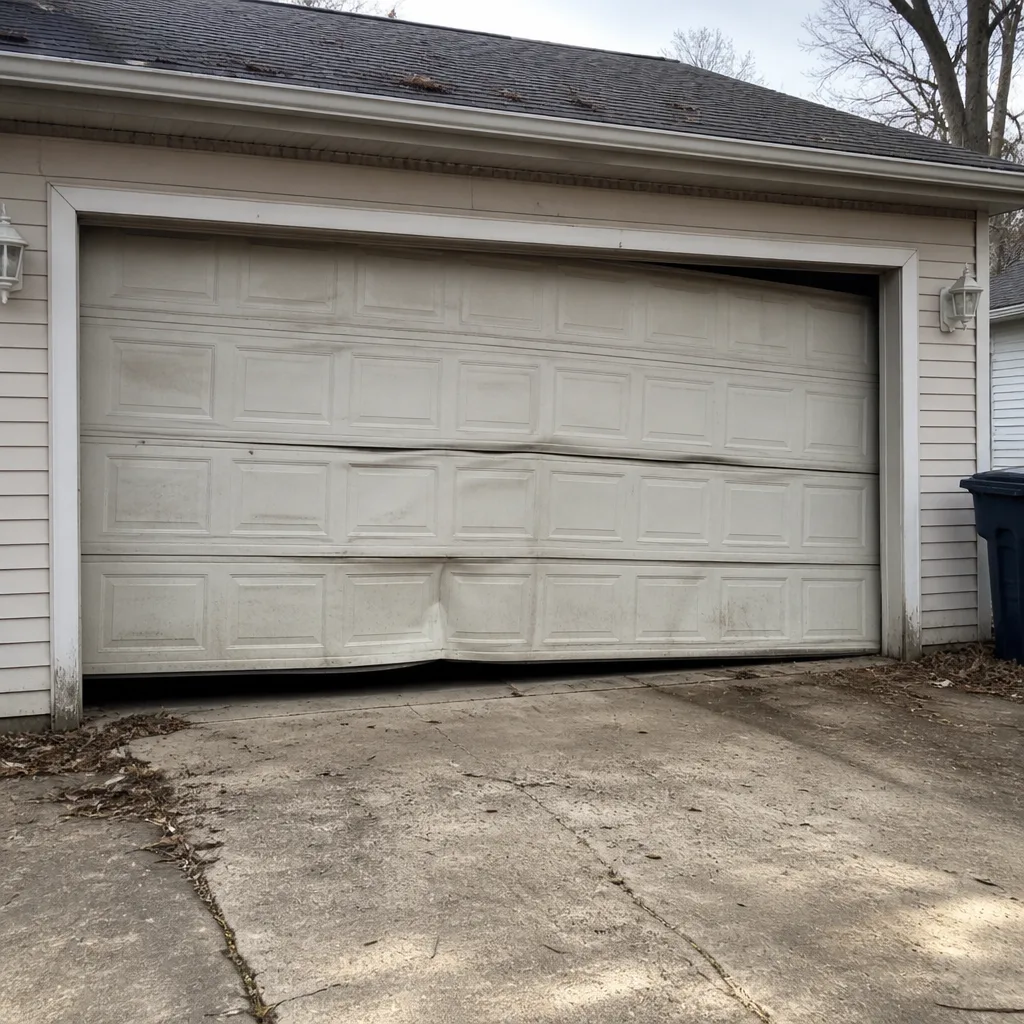 Before
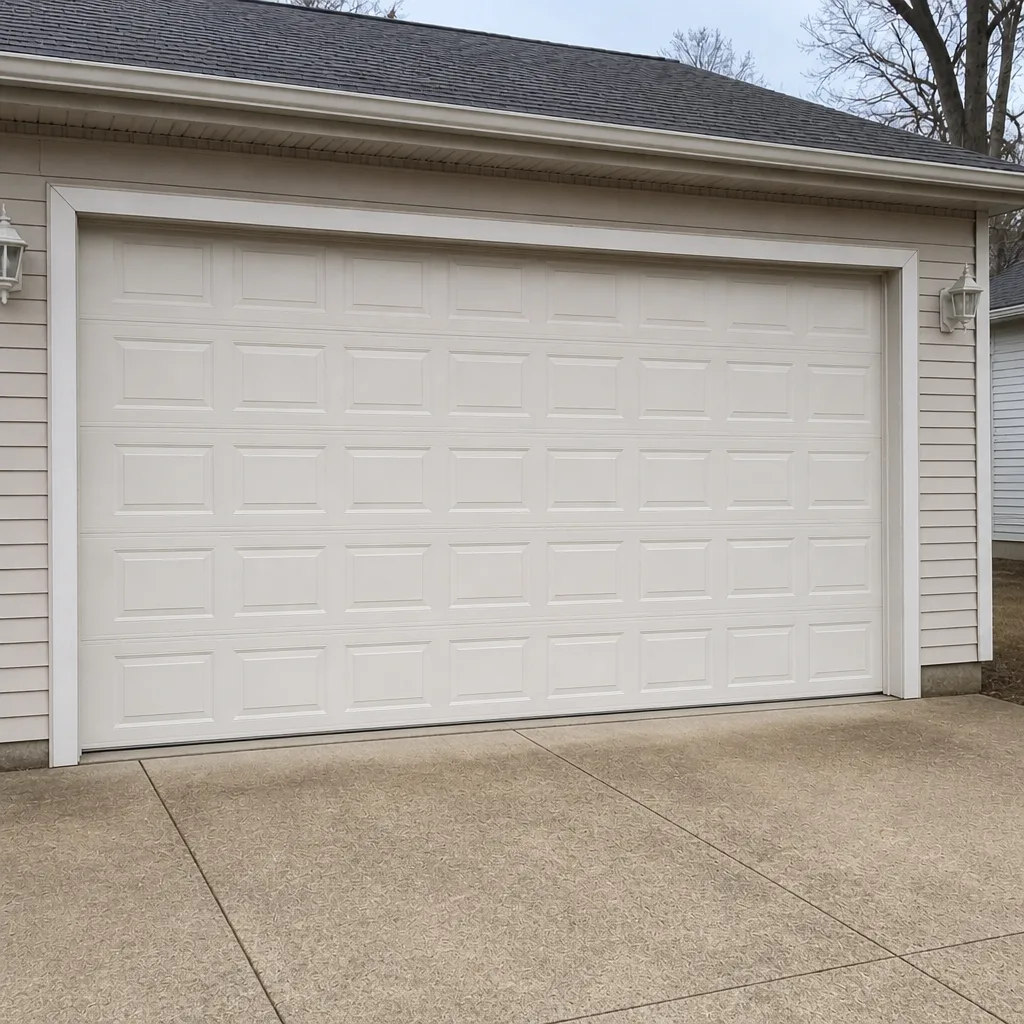 After
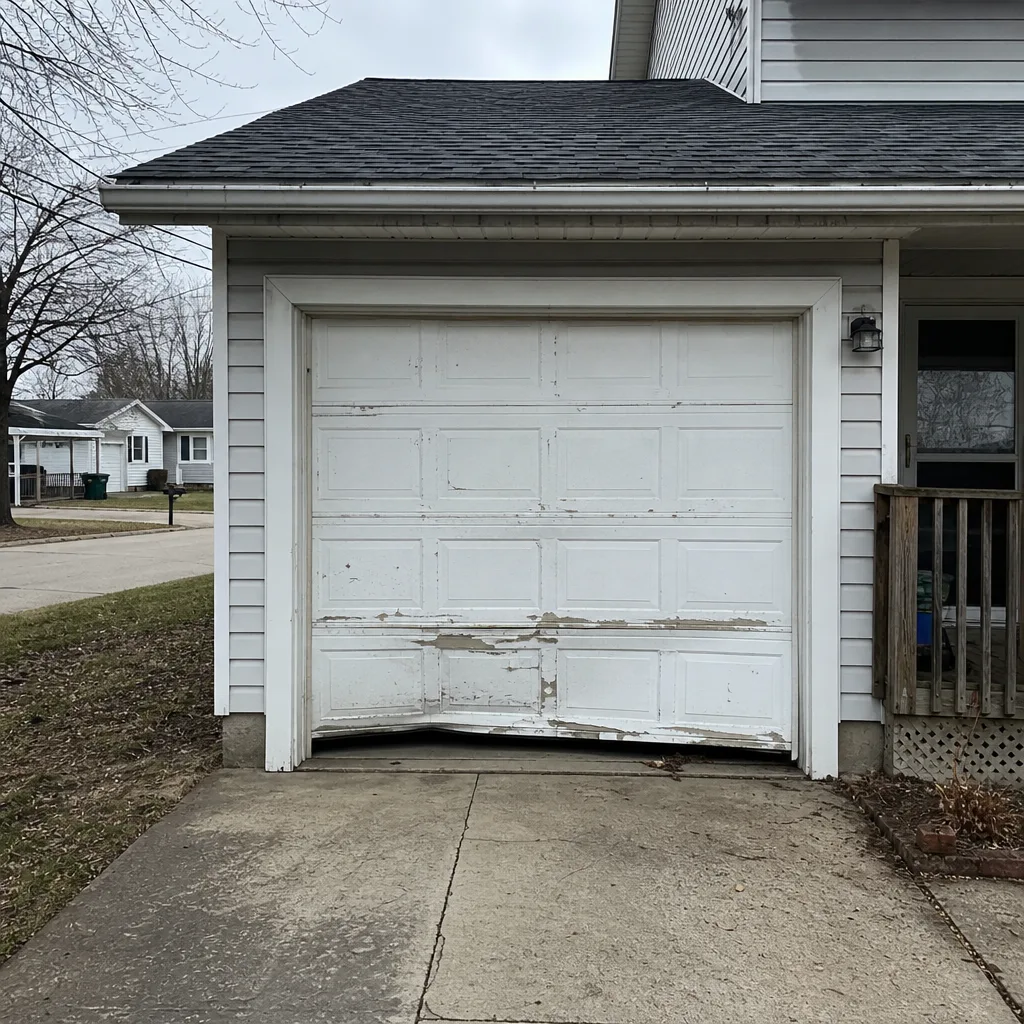 Before
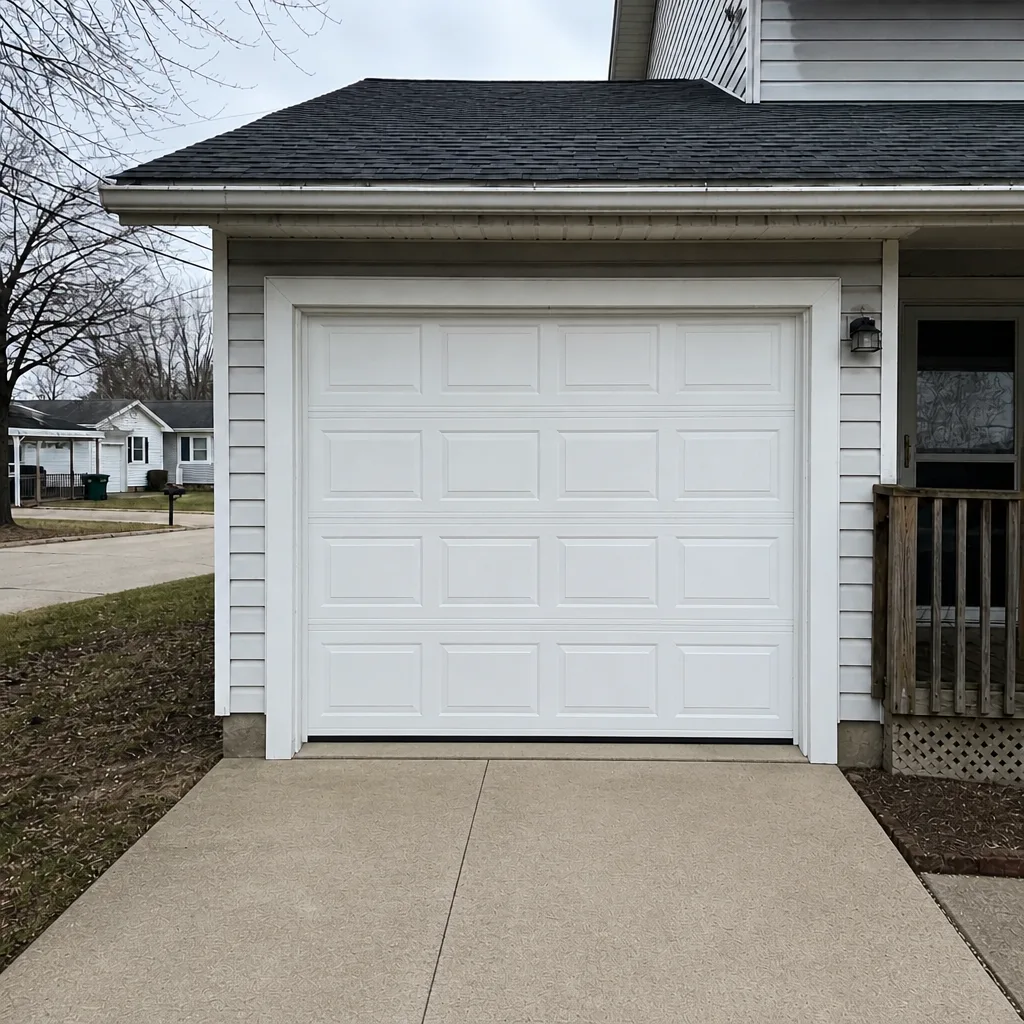 After
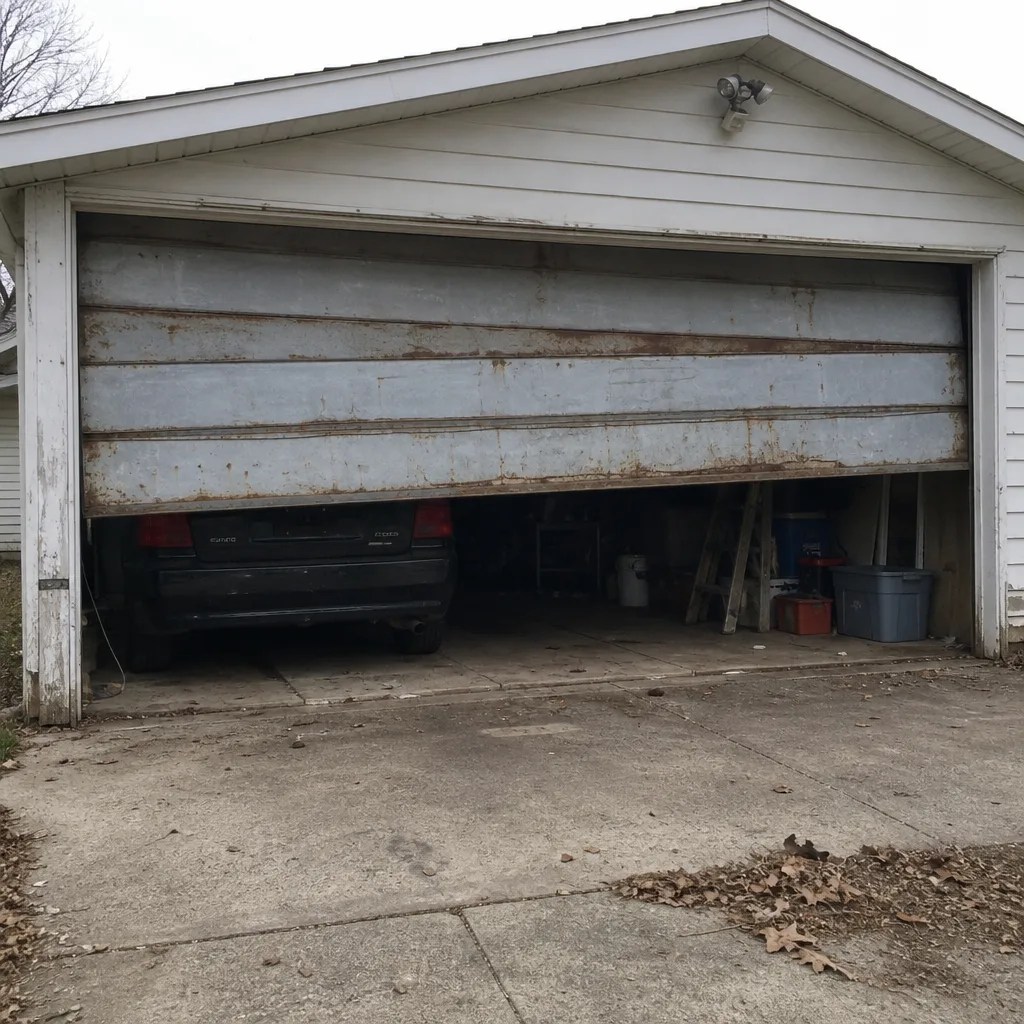 Before
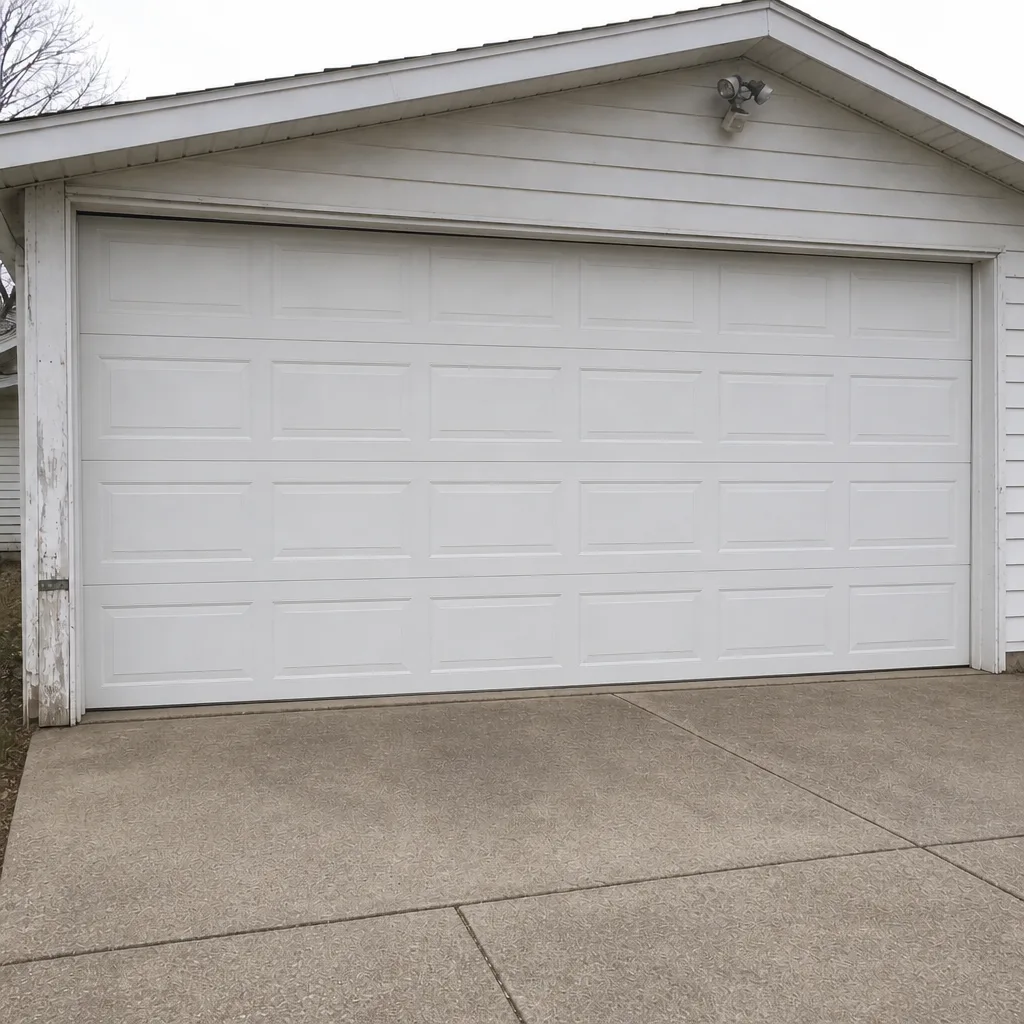 After
When to Call a Professional
Call a professional if any of the following apply: the door is held by a broken spring, the door came off its track, the cables are loose or snapped, you see daylight through a panel that was impacted, the opener is dead or won’t reverse, or a repair you attempted hasn’t left the door square and balanced. Call if you’re in Delaware and the door is interfering with your car, since a trapped car tends to become a same-day problem. Call if the door is old and no one has looked at the springs in years. And call if the answer above doesn’t cover your situation and you’re unsure. Garage Door Repair Delaware offers free estimates in Delaware. Call (833) 509-5064. We answer 24/7, with fast dispatch from 7am to 7pm, Sunday through Friday.
Frequently Asked Questions
No. Torsion and extension springs store enough mechanical energy to seriously injure someone in a fraction of a second, and the correct winding, sizing and safety hardware are a trained technician’s job. For a spring repair in Delaware, the safe answer is call a specialist. For pricing, a single spring is typically $180-$340, and a matched pair is about twice that. Call (833) 509-5064 for an exact quote.
Spring repair in Delaware typically runs $180-$340 for one spring, with a matched pair at roughly double that range. The final figure is set by the written estimate after the technician inspects the door and confirms the spring size. We quote and agree the price before work starts, so the estimate is the number you see. Call (833) 509-5064 and we’ll get you a free estimate.
Usually yes. A blinking opener light commonly points to the safety sensors near the floor, which need clean lenses and a straight aim at each other. Wipe both and adjust the bracket until the LEDs are solid. If that doesn’t fix it, the door may be out of balance or the opener may be failing, and those need a technician. Call (833) 509-5064 if the sensor fix doesn’t solve it and you’d like a diagnosis.
Typically no. Ohio homeowners policies are built for accidents, not for injuries that happen while you’re performing your own repair, and a self-inflicted injury is usually treated as your own medical matter. If a DIY attempt damages the door or a car, coverage depends on how the policy defines the damage. Read your own policy or check with your agent before assuming. Call (833) 509-5064 to get a free estimate for a professional repair instead.
The local pro we connect you with is licensed and insured as their state requires. That covers the repair, the property and the risk on our side of the job. Our technicians have up to 11 years of experience, and we work on major brands including LiftMaster, Chamberlain, Genie, Clopay, Amarr, Wayne Dalton, Craftsman and Raynor. Call (833) 509-5064 for a free estimate.
Yes, for repair calls we often can. We answer 24/7 and dispatch from 7am to 7pm, Sunday through Friday. A call outside dispatch hours gets booked into the next opening. Same-day service applies to repair and emergency work, not to new door installation, which needs a measure and a written quote first. Call (833) 509-5064 to check availability.
No, the written estimate sets the price and we agree it before any work starts. If the inspection turns up a related issue, such as worn cables or an unbalanced door, that gets quoted separately and you decide whether to go ahead. We won’t start anything you haven’t approved. Call (833) 509-5064 for a free estimate.
A garage-door-only service works on doors every day, so brand familiarity is built in rather than learned on your door. General handyman work covers many trades, which means garage door timing, springs and opener diagnostics get handled less often. Our focus is the door, its opener, its springs and its installation. Call (833) 509-5064 to speak with us.
The Bottom Line
The DIY vs professional decision comes down to stored energy. Sensor alignment, lubrication, weather sealing and loose bracket bolts are homeowner tasks that save a service call. Springs, cables and the bottom bracket are the professional line, and that line doesn’t move for brand or door size. The gray-zone work, from rollers to openers to track, comes down to your specific door configuration and your tools. If you’re on the wrong side of that line, a free estimate settles it in one visit. Spring repair, opener repair, panel work and new installation all sit in one place, and we’re in Delaware when you need it. Call (833) 509-5064 for a free estimate, or reach out through our Garage Door Repair Delaware page and we’ll help you sort it. When the door needs more than you can safely take on, spring repair is the job to hand off first. For opener problems, that’s garage door opener repair. And when the door or the opener is past fixing, it may be time to price a garage door installation.
Written by the team at Garage Door Repair Delaware.