
Last updated November 22, 2026
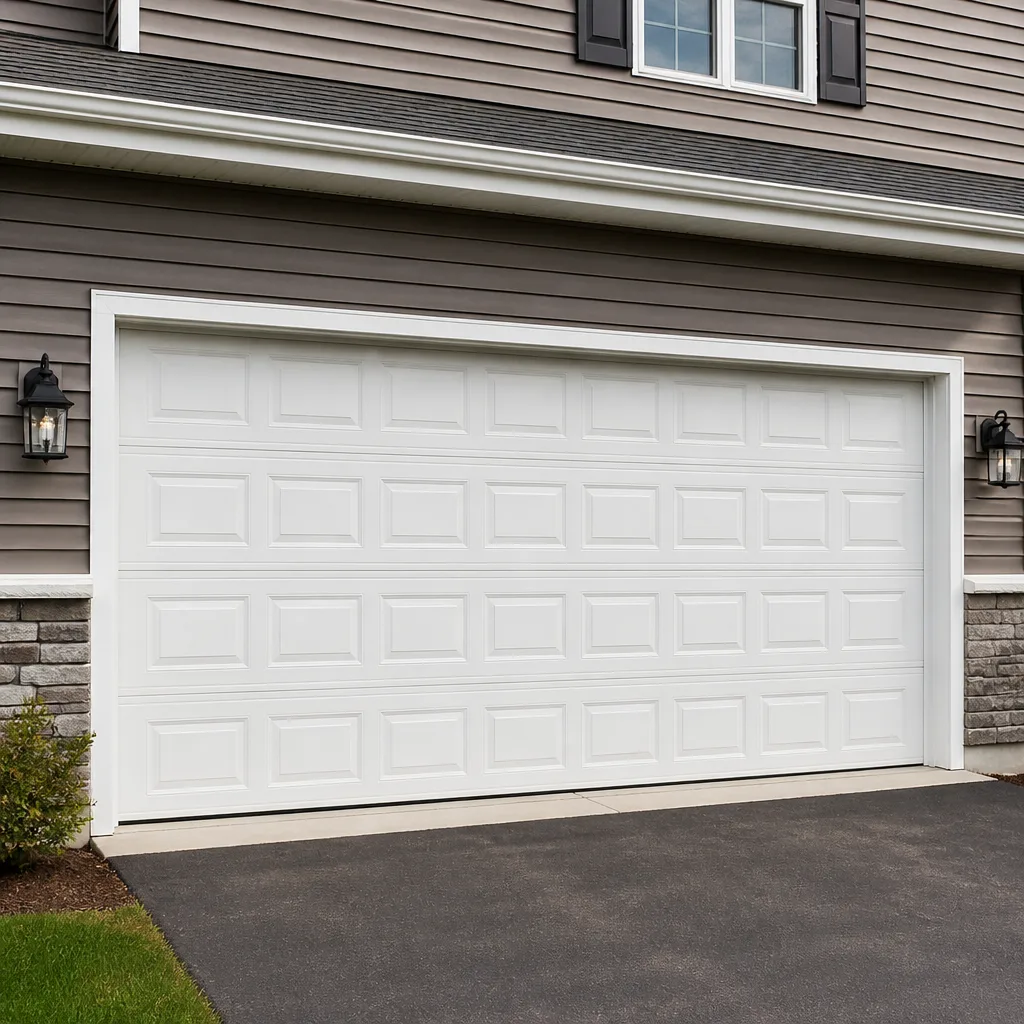 Raised-panel steel
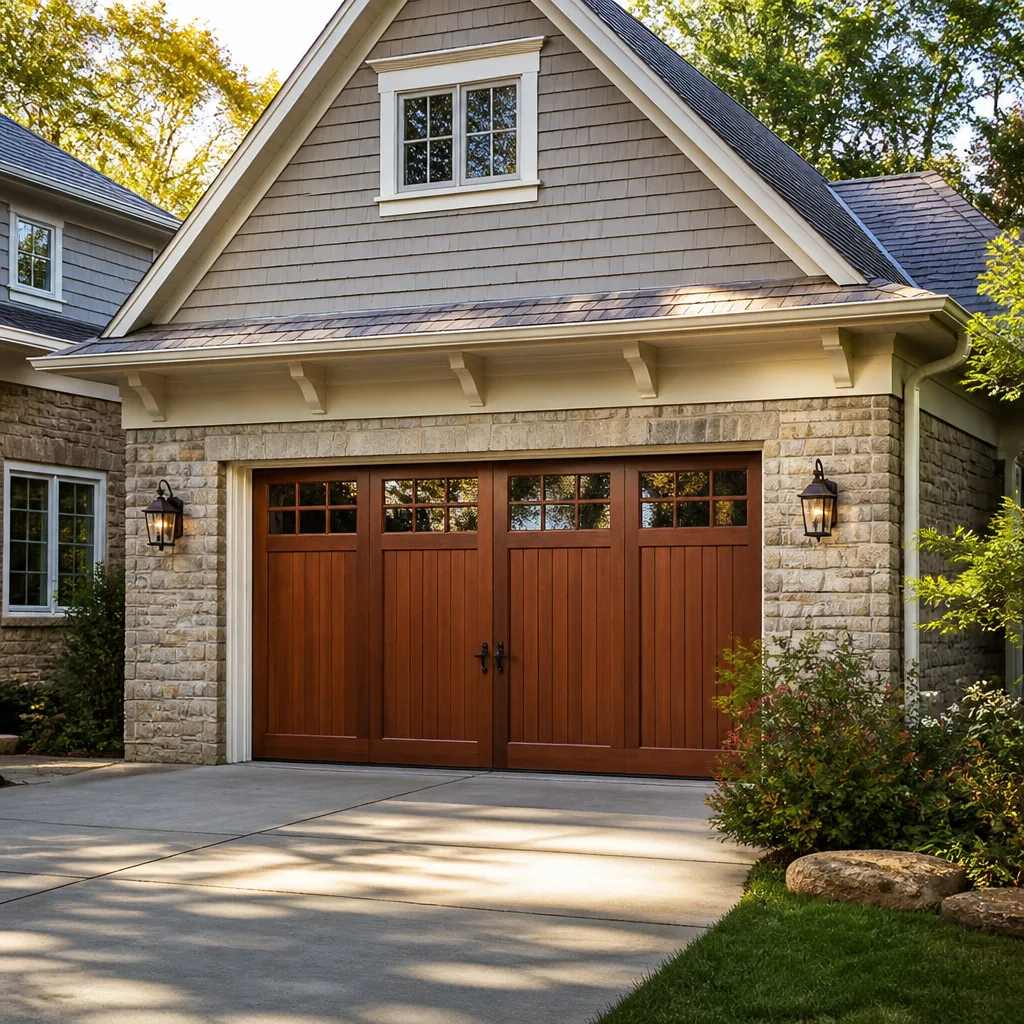 Carriage house
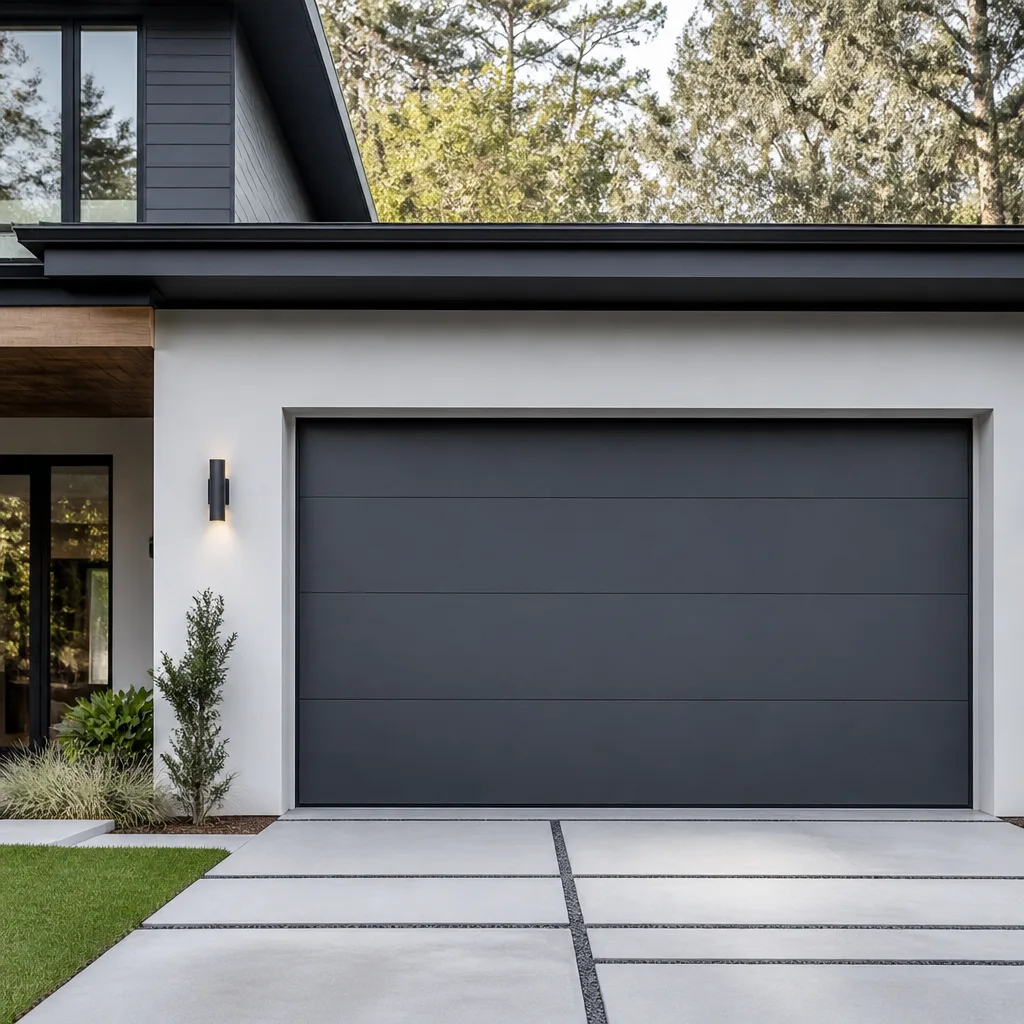 Modern flush
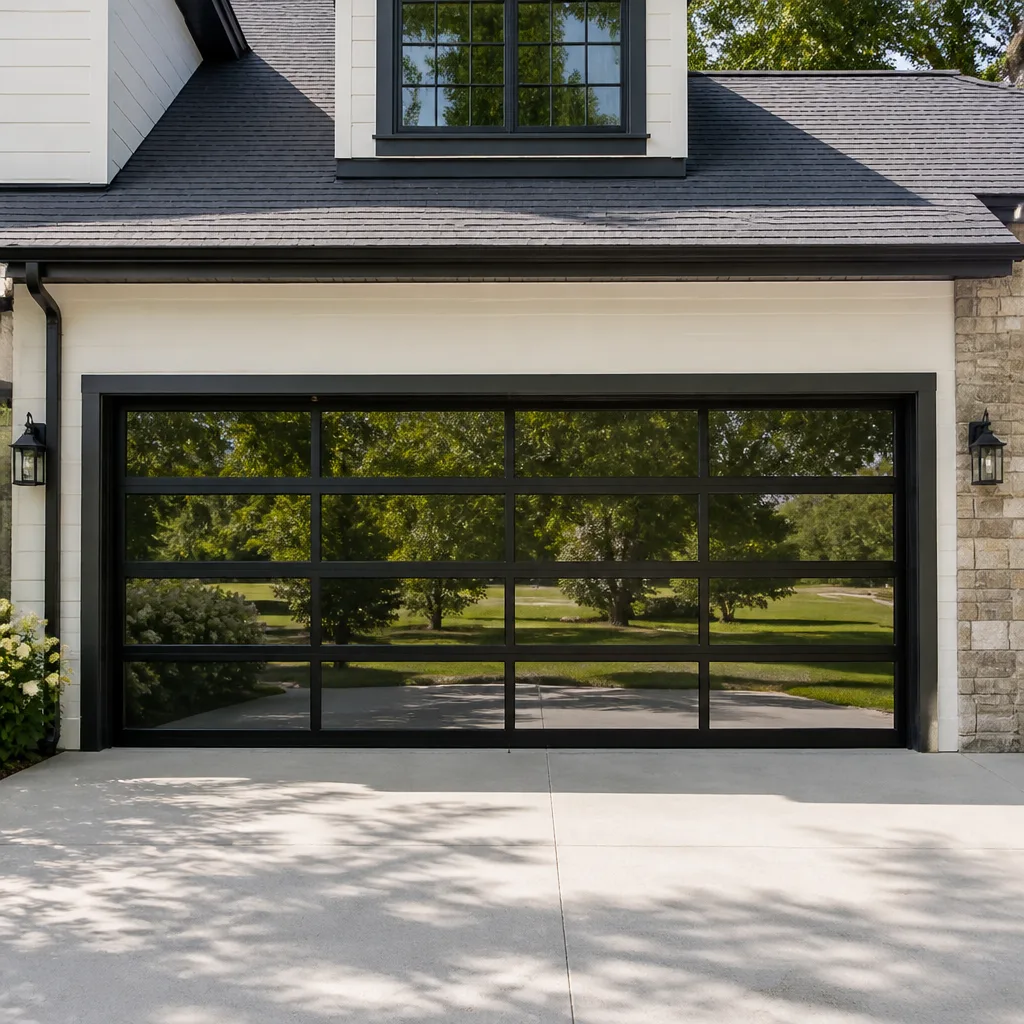 Full-view glass
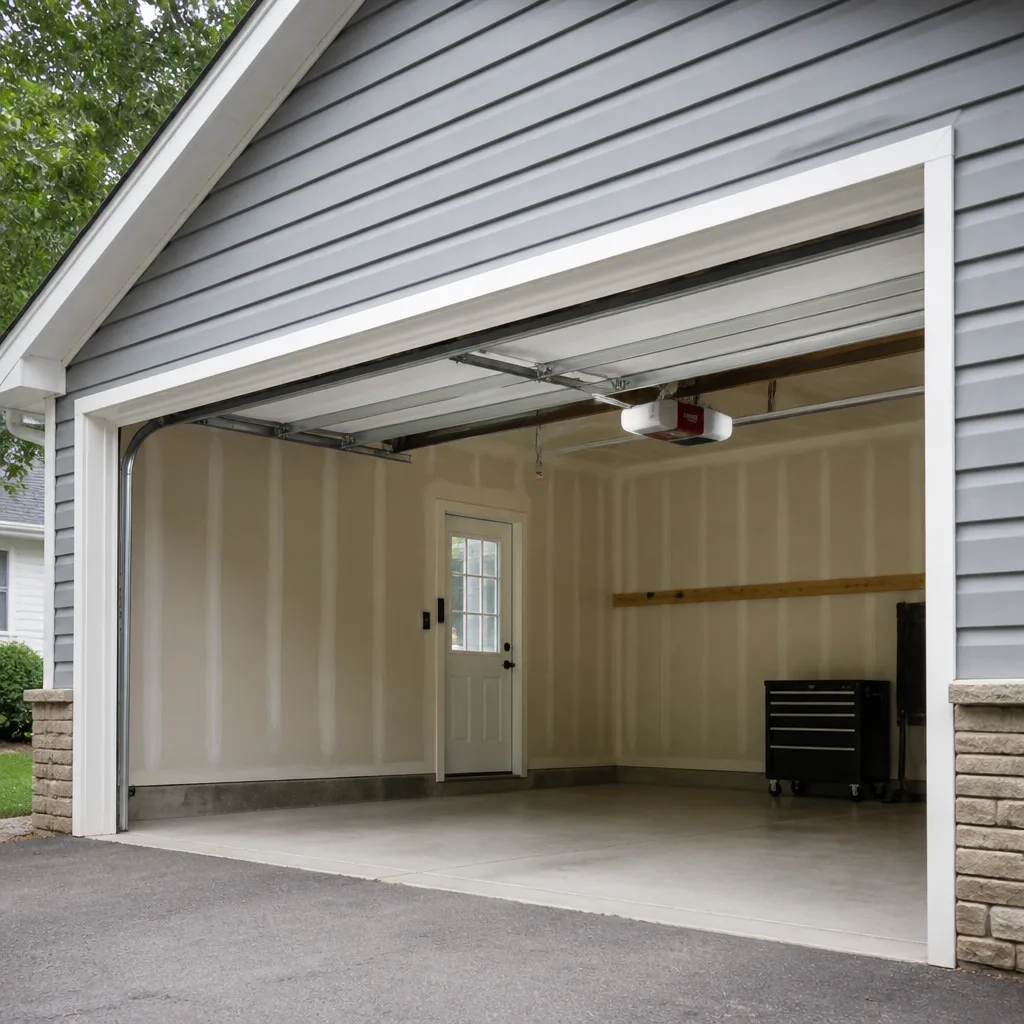 LiftMaster openers
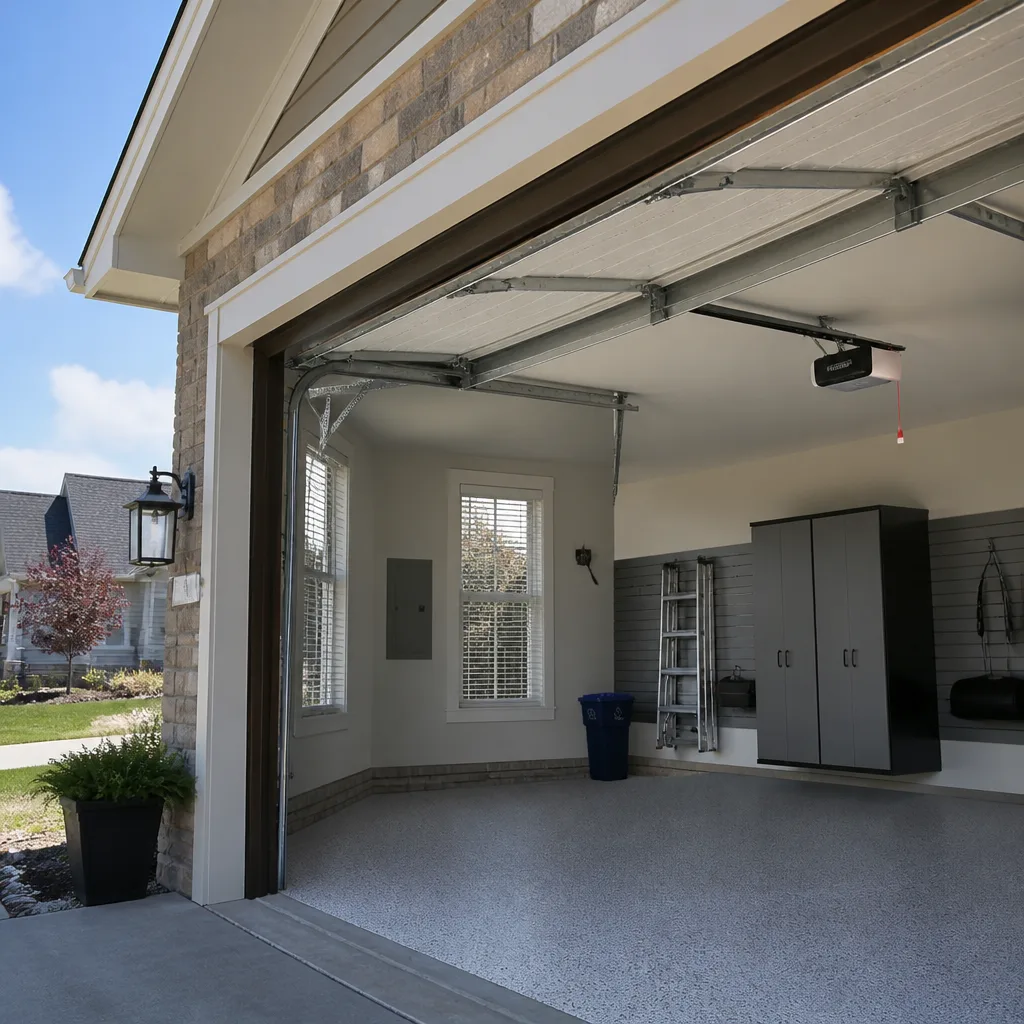 Chamberlain openers
Full 25-point door and opener safety check with every visit - springs, cables, rollers, tracks, and your LiftMaster or Chamberlain opener included
You get a price before we start. It does not change when the pro arrives.
Get your free estimateGarage Door Emergency Preparedness Guide for Delaware Homes
Most Delaware homeowners think they’ll figure it out when it happens. Then it happens: the door won’t budge, the car is trapped inside, and the morning is already lost. The emergency itself is rarely the hard part. The hard part is the ten minutes after it, when you’re standing in a cold garage with no plan and no idea what to touch. The cables are under tension. The spring is snapped. The opener is humming but nothing moves. This guide gives you the plan before the emergency. You’ll learn how the manual release actually works, how to secure an open door during a Delaware storm, what to do the moment a spring breaks with the car inside, and the three things every Delaware garage should already have in it.
Quick Answer
Garage door emergency preparedness in Delaware comes down to three things: knowing how to disengage your opener by hand, having a way to secure an open door, and keeping a small kit with your door and opener model numbers so a technician can diagnose fast. Never try to fix a broken spring, cable, or off-track door yourself; those are the jobs that send people to the hospital. If the door is stuck, call (833) 509-5064. We answer 24/7. Fast dispatch from 7am to 7pm, Sunday through Friday.
Styles & brands we work with
- Raised-panel steel
- Carriage house
- Modern flush
- Full-view glass
- LiftMaster openers
- Chamberlain openers
Table of Contents
- How Garage Doors Fail in Delaware Weather
- How Do You Use the Manual Release on Your Garage Door Opener?
- What If the Release Cord Has Already Been Pulled?
- How Do You Secure an Open Garage Door During a Storm or Security Scare?
- What Should You Do When a Spring Breaks With the Car Inside?
- What Belongs in a Delaware Garage Door Emergency Kit?
- What Should You Tell the Technician When You Call?
- What Do You Do When the Power Goes Out?
How Garage Doors Fail in Delaware Weather
Delaware, Ohio sits in a climate that swings hard. February cold snaps drive temperatures deep into single digits, then a January thaw pushes them back above freezing for a few days before the next front. That freeze-thaw cycle is the single biggest stress on a garage door in this part of the county. Steel contracts when it’s cold. Springs get brittle. Lubricant thickens and stops doing its job. Then the temperature climbs twenty degrees and everything expands at once. That’s when metal fatigues and springs let go.
The cycle does the same thing to the door’s hardware. Rollers stiffen. Hinges wear. The bottom seal gets stiff, cracks, and stops sealing out the cold and the mice. Summer brings its own pressure: humidity gets into unsealed wood doors, and afternoon thunderstorms throw wind-driven rain against the panel. In our experience, the calls we get in Delaware after a hard cold snap tend to cluster around the same failure: a torsion spring that finally gave. The door worked fine the night before.
What does that mean for preparedness? Three things worth checking twice a year:
- Listen to the door. A bang, a pop, or a grinding noise is a warning, not a personality quirk.
- Watch the door travel. If it shudders, sags on one side, or reverses halfway up, something is binding.
- Look at the springs above the door. If they look rusty, stretched, or the door sits crooked, get eyes on it before it breaks.
A warning caught early is a routine garage door repair. A warning ignored is an emergency at 6:45 in the morning with the car trapped inside.
How Do You Use the Manual Release on Your Garage Door Opener?
Every residential opener has a manual release, and most homeowners have never touched it. The release lets you disengage the door from the opener so you can lift it by hand when the power is out or the motor won’t move it. On almost all openers in Delaware homes, it’s a red cord or handle hanging from the carriage assembly that rides the rail above the door.
Here’s the sequence, and the order matters:
- Close the door first if you can. Pulling the release with the door partway up lets it drop. If the door is fully open, that’s fine, but you’ll be lifting it from here on.
- Find the cord. It hangs from the trolley or carriage on the rail. It’s usually red. LiftMaster and Chamberlain units use the same basic design, so if you’ve operated one you can operate the other. Craftsman and Raynor units are similar.
- Pull straight down, firmly, once. You’ll feel the carriage come free of the chain or belt. Don’t yank it sideways, and don’t pull twice thinking the first pull didn’t work.
- Lift the door by hand. A balanced door should lift with one hand and stay where you put it. Use the handle or the bottom rail edge, not the panels.
- Never force it. If the door won’t lift at all, a spring or cable is broken. Stop. A door held by a broken spring can come crashing down the moment you lose your grip.
That last point is the one we’d repeat to every homeowner in Delaware. The manual release is designed for a healthy door with a dead opener or no power. It is not a tool for bypassing a mechanical failure. If something is broken, the release cord doesn’t make the door safe to lift; it just disconnects the motor.
What If the Release Cord Has Already Been Pulled?
If someone already yanked the cord and the carriage is disconnected, you likely can’t re-engage it until the door is back in the closed position and aligned with the carriage. Here’s what to do:
- Close the door by hand if it’s safe to move and nothing is broken. Guide it down slowly by the handle.
- Look at the carriage and the rail. The carriage needs to line up with the opener’s engage point, which is usually at the closed-door position.
- Press the wall button once to run the opener carriage into position, if the opener still works. Then flip the release lever back toward the door to re-engage it.
- Test it with the door closed. Press the opener and watch the door start to move. If it moves smoothly, you’re reconnected.
If the door won’t close by hand, or the carriage won’t reconnect, something else is wrong. That’s a job for a trained technician. We work on LiftMaster, Chamberlain, Genie, Craftsman, and the rest of the major opener brands, so we don’t have to guess at how your unit is built. If your opener has seen better days, we also handle garage door opener repair.
How Do You Secure an Open Garage Door During a Storm or Security Scare?
An open door during a Delaware storm, or worse, an open door with a door that won’t close at all, is a security problem and a weather problem at the same time. Wind-driven rain gets into the garage, and anything stored near the door gets soaked. And a door stuck open is an open invitation. Here’s how to deal with both, using hardware you probably already own.
For wind and rain:
- Back your car up against the opening if you’re not driving it, to break the wind.
- Lay a heavy tarp or moving blanket over the opening and weight it down with anything solid. Sandbags, bags of soil, buckets, pavers.
- Move anything off the garage floor that can absorb water: cardboard, boxes, bags of seed or salt, rugs.
For security:
- Drop a heavy board or a piece of plywood across the opening and secure it to the track or posts. A length of lumber works if it’s wide enough to span the gap.
- Use a door wedge or a bar across the inside of the tracks to keep the door from being raised by hand from outside.
- If you have a vehicle you can park in the garage, park it nose-in against the opening. A car in the way makes the garage significantly harder to walk into.
None of these are a fix. They’re a hold. And a hold is enough to get you through the night until a technician can get out. If the door is sitting open on a security issue, call first and tell us exactly what’s happening.
What Should You Do When a Spring Breaks With the Car Inside?
This is the worst-case version of the scenario. The car is trapped, the door is heavy, and the spring above it is broken. The sequence matters here because the wrong move can make it dangerous. A torsion spring carries a lot of stored energy, and a door with a snapped spring is much heavier than it looks.
- Don’t touch the door or the springs. Do not try to lift it by hand to check. Do not try to pull it up with the opener.
- Do not run the opener again. If the motor tries to lift a door with a broken spring, it’ll strain the opener’s gears and may snap a cable. That makes the repair bigger.
- Disconnect the opener if you must open the door. Pull the release, then lift very slowly with one hand, ready to lower it if it fights you. Never let the door go uncontrolled.
- Prop it open with a solid support. If the door has to stay up so you can get the car out, prop it with lumber or a stepladder rated for the weight. Never leave it propped with only the opener.
- Call for spring repair. Spring repair is genuinely dangerous and the most commonly botched garage door job in the trade. This is not a “watch a video and try it” repair.
Save the exact sound the door made, or the way it failed, because it tells us a lot. We keep spring repair as a standalone service for a reason: it’s the most technically demanding repair on a door. Once the springs are replaced and the door is balanced again, you’ll be amazed at how light it feels.
What Belongs in a Delaware Garage Door Emergency Kit?
A small kit goes a long way. Keep these three things together, in a plastic bin on a shelf near the door, and you’ll have a much calmer emergency:
- The owner’s manual, or a written record. Write down the door and opener model numbers on a card and tape it to the wall inside the garage. LiftMaster, Chamberlain, Genie, Wayne Dalton, Craftsman, Raynor: when we know the model, we can bring the right parts on the first visit instead of making a second trip.
- A backup battery unit for the opener. Many openers accept a battery backup that keeps the door working through a power outage. If your opener supports one, get it. In a February outage, that battery is the difference between parking your car in the garage and shoveling the driveway.
- A manual release extension and a flashlight. A longer release cord means you can reach it even when things get physical. And a flashlight in the garage is worth its weight in gold during a power outage.
Add a tarp, two sandbags or weighted buckets, and a length of lumber. That’s a full kit for a Delaware emergency, and it cost less than a tank of gas. We also recommend a quick check of your opener’s safety sensors while you’re in there. A dirty sensor lens is the most common cause of a door that won’t close.
What Should You Tell the Technician When You Call?
The call is your chance to get the right help moving fast. Here’s what a technician needs to know, and the information generally determines how quickly and accurately the job goes:
- What the door is doing: won’t open, won’t close, stuck halfway, or opens partway and stops.
- What you hear: a bang, a grinding, a hum with no movement, or nothing at all.
- Door and opener model numbers if you have them. If not, describe the brand and the color of the wall button.
- Whether the car is inside and whether you need the door open now.
- Whether the door is sitting open and unsecured so we can prioritize accordingly.
- Anything you’ve already tried. Especially if you or someone else has already pulled the release cord or tried to lift the door.
That’s the difference between a technician coming prepared and a diagnostic visit that takes twice as long. We work on LiftMaster, Chamberlain, Genie, Clopay, Amarr, Wayne Dalton, Craftsman, and Raynor, so knowing your brand helps us bring the right parts. If the door itself is beyond repair, we’ll tell you that too, and talk through a garage door installation when that’s the honest answer.
What Do You Do When the Power Goes Out?
A power outage during a Delaware storm is a wait-it-out situation, unless you can’t get your car out. Here’s the practical playbook:
- Wait five minutes. Some outages flicker back quickly. Give it a minute before you disengage anything.
- Pull the manual release if the car needs to get out and the door is healthy. See the step-by-step above.
- Lift the door by hand. Balanced doors lift easily. If it’s heavy, a spring or cable is compromised. Stop and call.
- Don’t leave the door up overnight if it looks like rain. Wind-driven storms in Delaware can push rain across the whole garage floor.
- Check on the opener once power returns. Modern openers, including LiftMaster and Chamberlain units, often need the safety sensors reset after an outage. Press the wall button and see if it works before you assume the opener is dead.
If the door still won’t move after power is back, or the opener hums but nothing happens, that’s a repair. Call. We answer 24/7. Fast dispatch from 7am to 7pm, Sunday through Friday. A call outside those hours is booked into the next opening.
Common Mistakes to Avoid
- Trying to fix a broken spring yourself. Torsion springs and extension springs store enormous force. Even experienced technicians treat them with caution. A homeowner with a wrench and a video is one of the most common sources of serious garage door injuries.
- Yanking the manual release as the first move. The release cord disconnects the motor. If the door isn’t healthy, pulling it just makes the door heavier and more dangerous. Diagnose first, release second.
- Running the opener repeatedly on a door that won’t move. That’s how a bad spring becomes a stripped gear or a snapped cable. One test, then stop.
- Ignoring a door that’s getting heavier. A door that used to lift easily and now needs two hands has a problem. That’s a warning, not a quirk. In Delaware weather that warning usually leads to a spring failure within a season.
- Leaving the door open after a security issue. A car park, a board, and a call are the right response. Leaving an open door through the night is the wrong one, even in a quiet neighborhood.
- Skipping the model numbers. A technician who knows your door and opener models brings the right parts the first time. A card taped to the wall saves a second trip.
- Forgetting the safety sensors. A door that won’t close is very often a sensor issue, not a spring. Dirty, misaligned, or sun-blocked sensors are the cause more often than homeowners expect.
See the difference
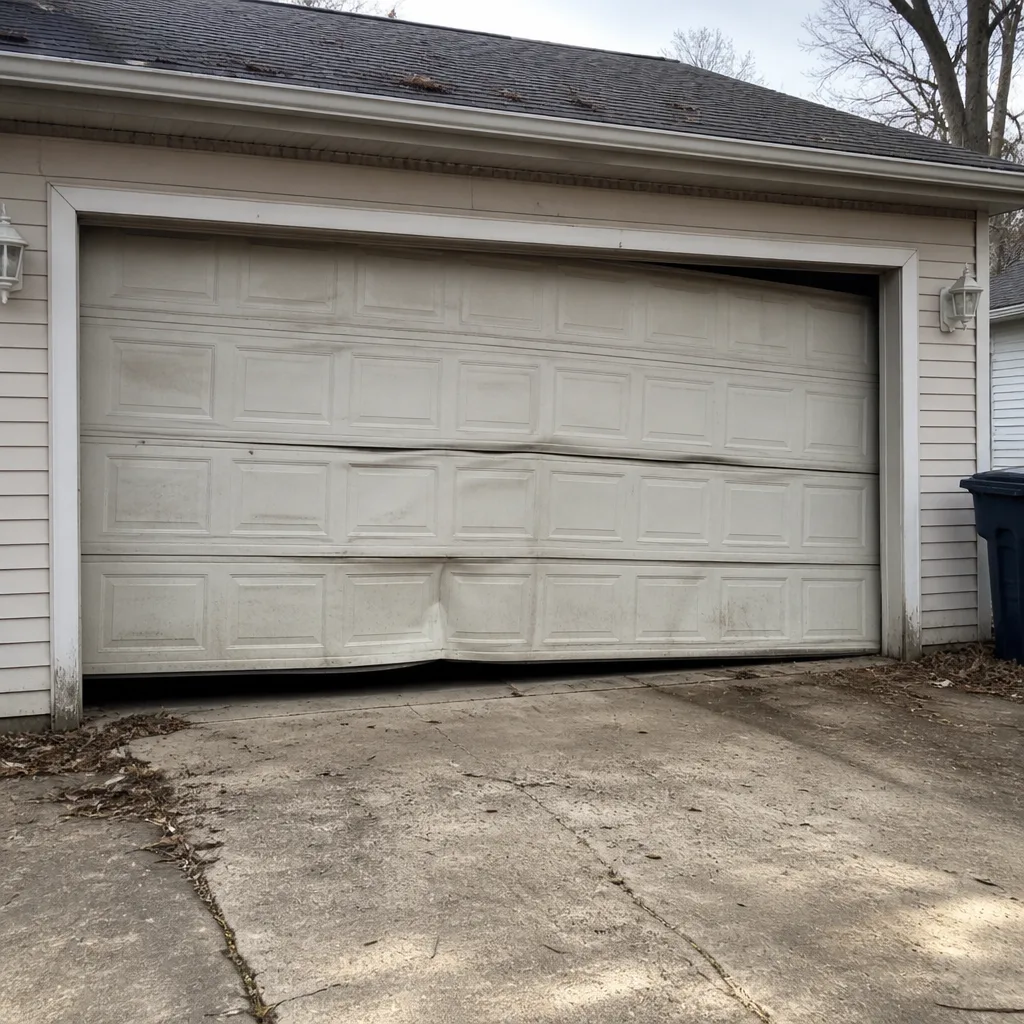 Before
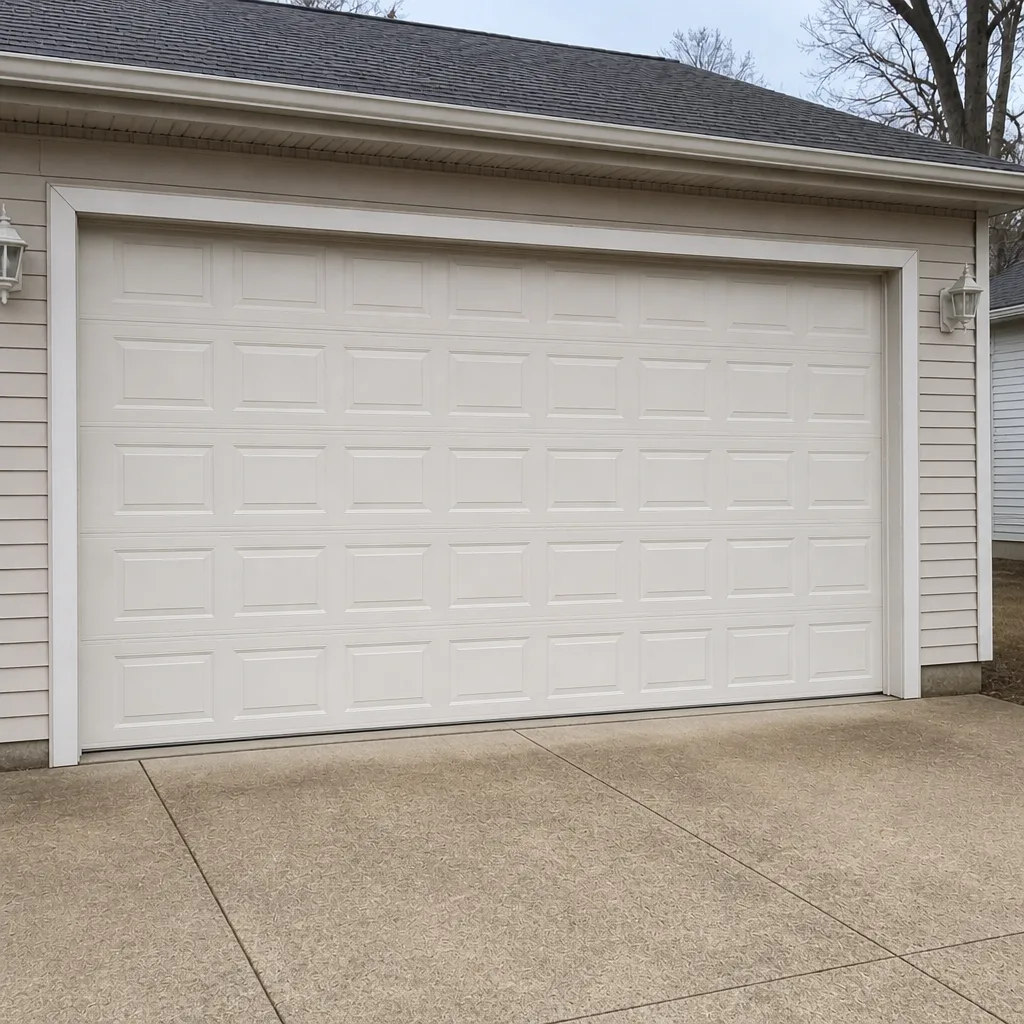 After
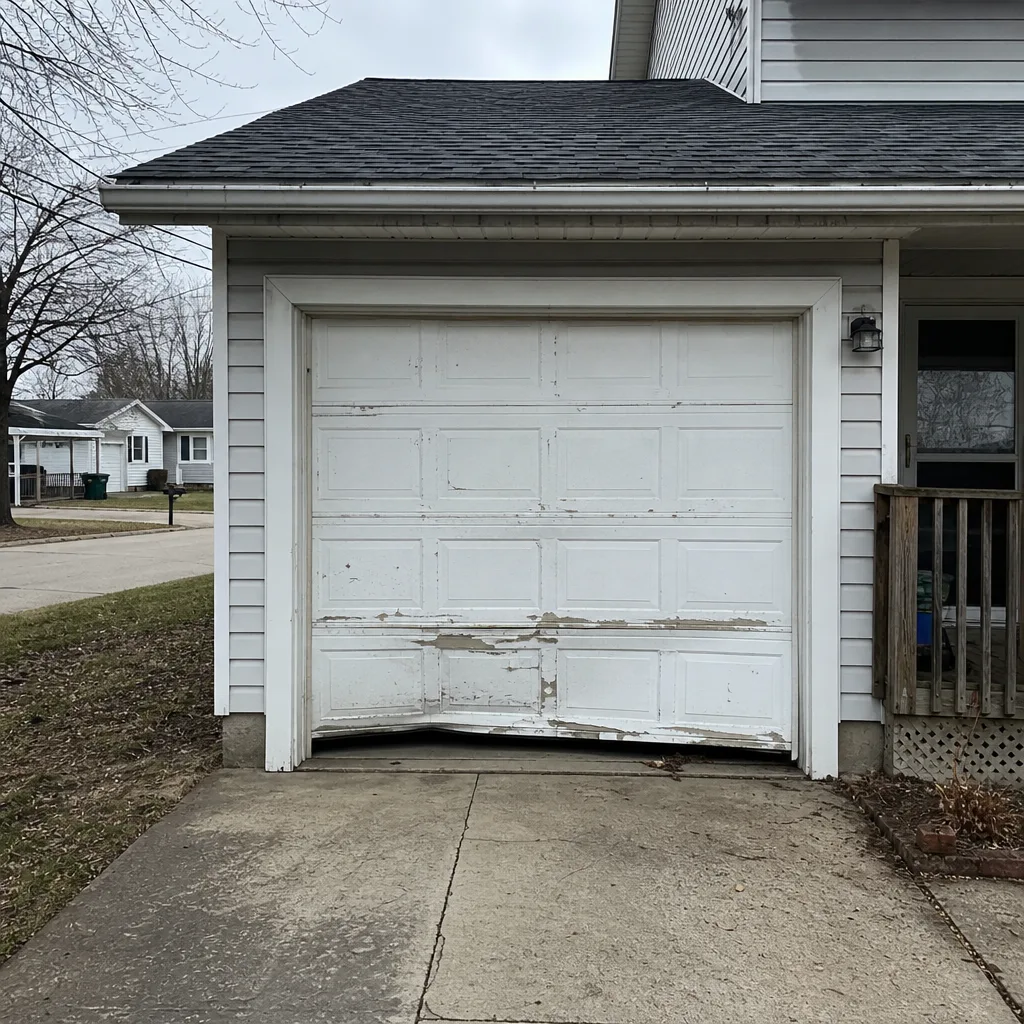 Before
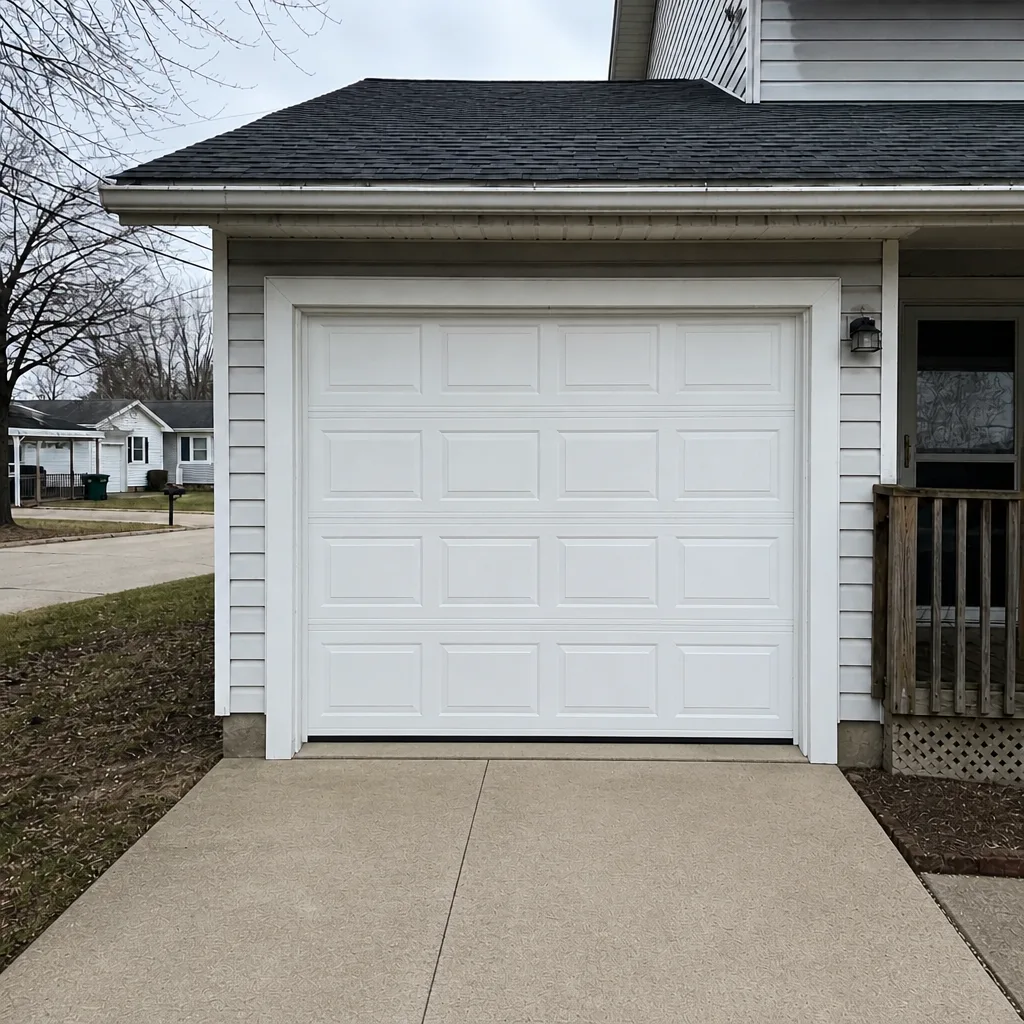 After
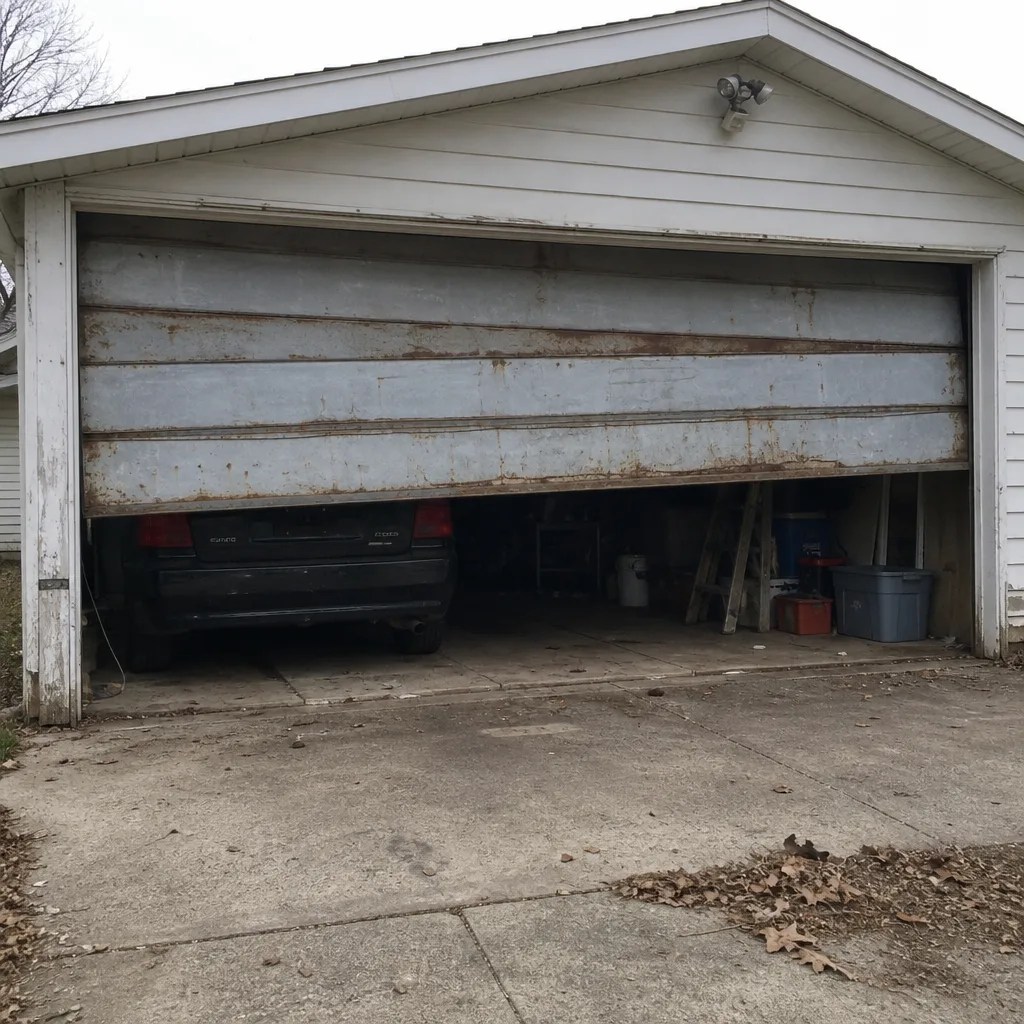 Before
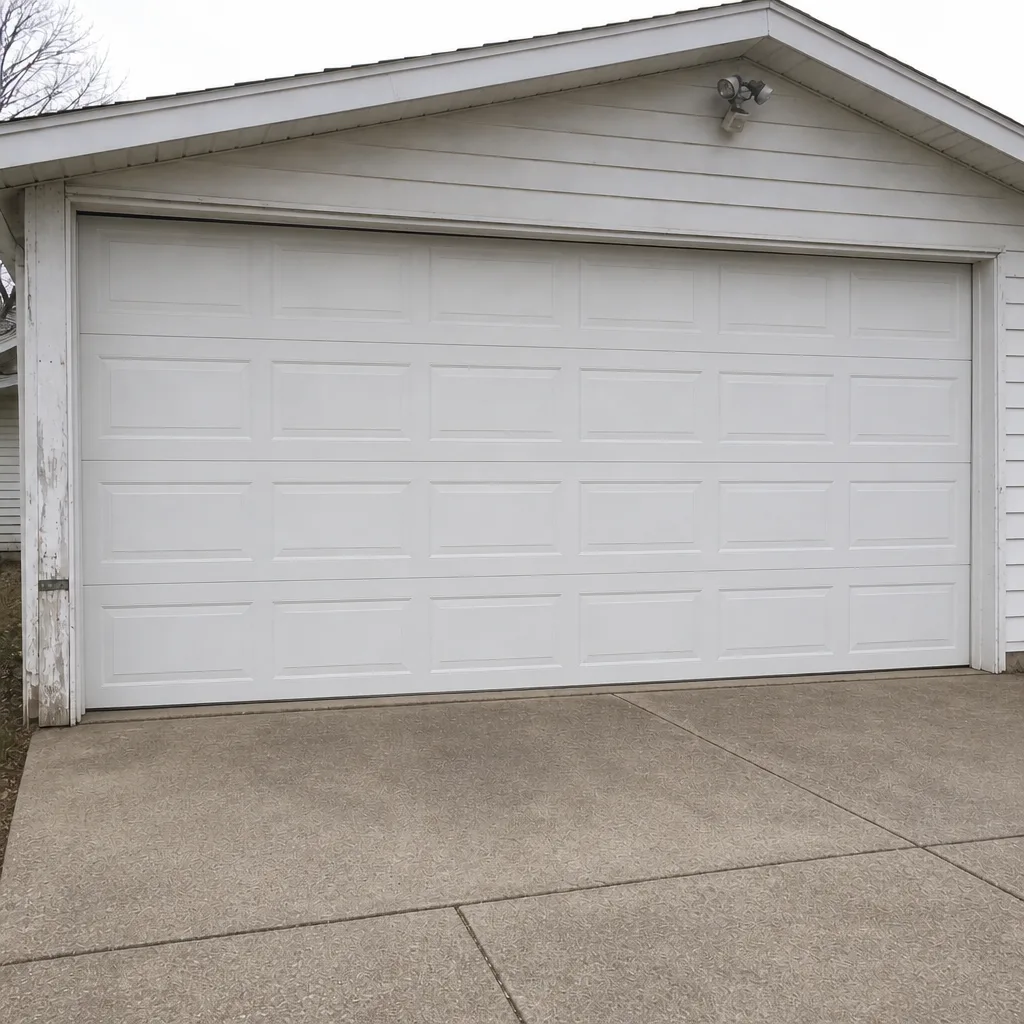 After
When to Call a Professional
Call us when the door won’t move, won’t close, or is sitting open and unsecured. Call when you hear a bang and the door suddenly gets heavy: that’s a spring, and spring repair isn’t a homeowner job. Call when the opener hums but won’t lift, or the door reverses halfway up. Call when you’ve tried the manual release and the door still won’t move by hand. Also call when the door is visibly off-track, has cables hanging loose, or has a bent panel that’s rubbing against the jambs. And call if the door is old enough that a repair isn’t worth it, because in that case we’ll tell you honestly. Garage Door Repair Delaware offers free estimates in Delaware. Call (833) 509-5064. We answer 24/7. Fast dispatch from 7am to 7pm, Sunday through Friday.
Frequently Asked Questions
Yes, if your door is in good working condition. Pull the red manual release cord hanging from the opener carriage, then lift the door by the handle. It should lift with one hand. If it’s heavy or doesn’t want to move, a spring or cable is likely broken and you should stop and call for help. Our technicians can help diagnose this over the phone. Call (833) 509-5064.
In most cases, the safety sensors at the bottom of the tracks are blocked or misaligned. Check the lenses for dirt, spider webs, or a bent bracket. If the sensors are clean and lined up and the door still reverses, the problem is likely in the opener’s travel limits or the door’s balance. That’s a garage door opener repair for a technician. Call us and we’ll help you sort it out.
Prices depend on the job: a spring repair costs differently than an opener repair or a track straightening. We give you a written estimate before any work begins, and that estimate is the price. Nothing gets added after the fact. Call (833) 509-5064 for a free estimate. We answer 24/7. Fast dispatch from 7am to 7pm, Sunday through Friday.
Yes, when the schedule allows, we can dispatch the same day for a time-sensitive failure. That’s what emergency garage door service is for. We answer the phone 24/7 and book you into the next opening. Call (833) 509-5064 and tell us what the door is doing.
No, and it’s worth securing before you turn in. A heavy board across the opening and a car parked nose-in will get you through the night. If the door is stuck open on a security concern, call first so we can prioritize it. We’ll tell you exactly what to do until a technician arrives.
We work on the brands most Delaware homes already have: LiftMaster, Chamberlain, Genie, Clopay, Amarr, Wayne Dalton, Craftsman, and Raynor. That covers openers, door panels, springs, and hardware. If your door is on that list, we already know how it’s built. If it isn’t, call and we’ll tell you honestly whether we can help.
The Bottom Line
Garage door emergencies in Delaware rarely come with advance notice. What you can control is what happens in the first ten minutes. Know where your release cord is and how it works. Keep a card with your door and opener model numbers on the wall. Have a flashlight, a tarp, and a way to prop a door. Don’t touch springs or cables, and don’t force a door that won’t move. Every one of those habits is worth more than the emergency itself. If you’re already in it, call (833) 509-5064. Free estimates, upfront written pricing, and technicians with up to 11 years of experience who know your brand. For the full menu of what we do, see Garage Door Repair Delaware.
Written by the team at Garage Door Repair Delaware.