
Last updated November 22, 2026
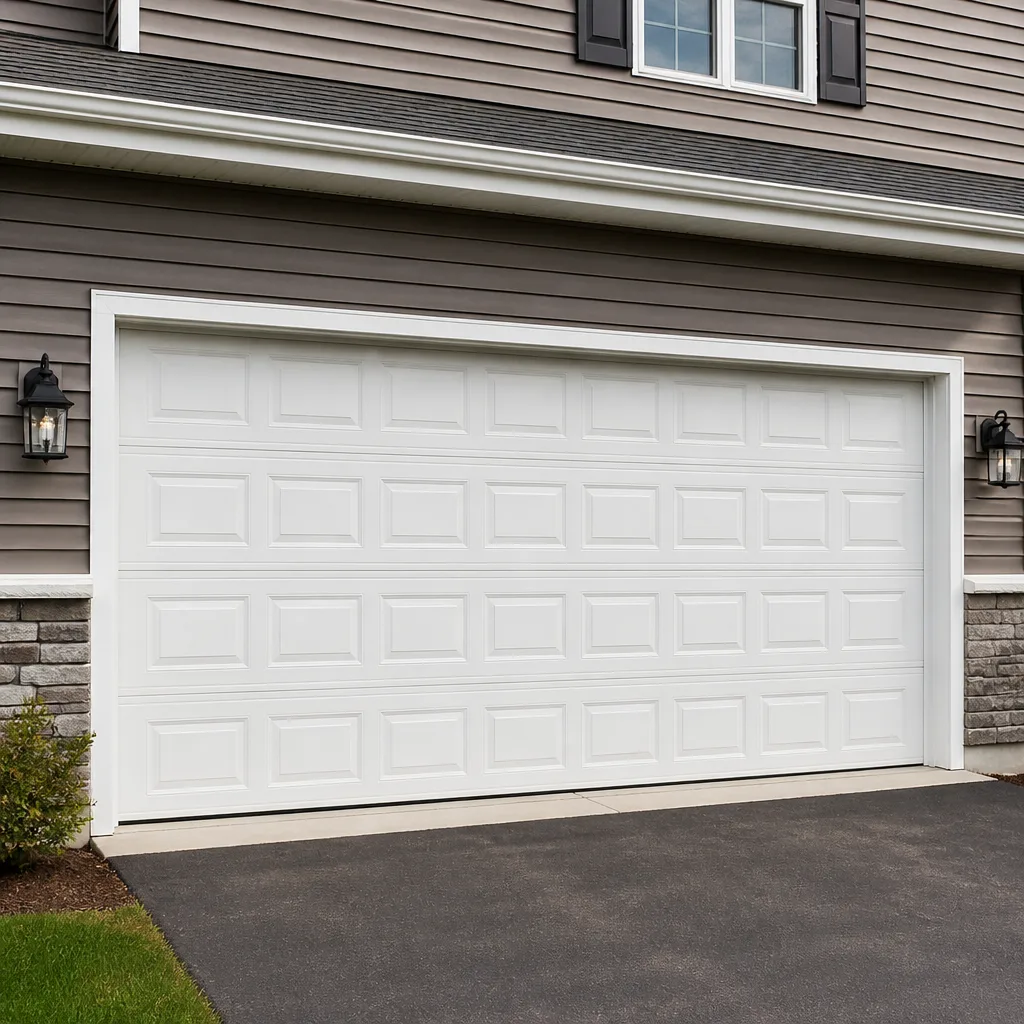 Raised-panel steel
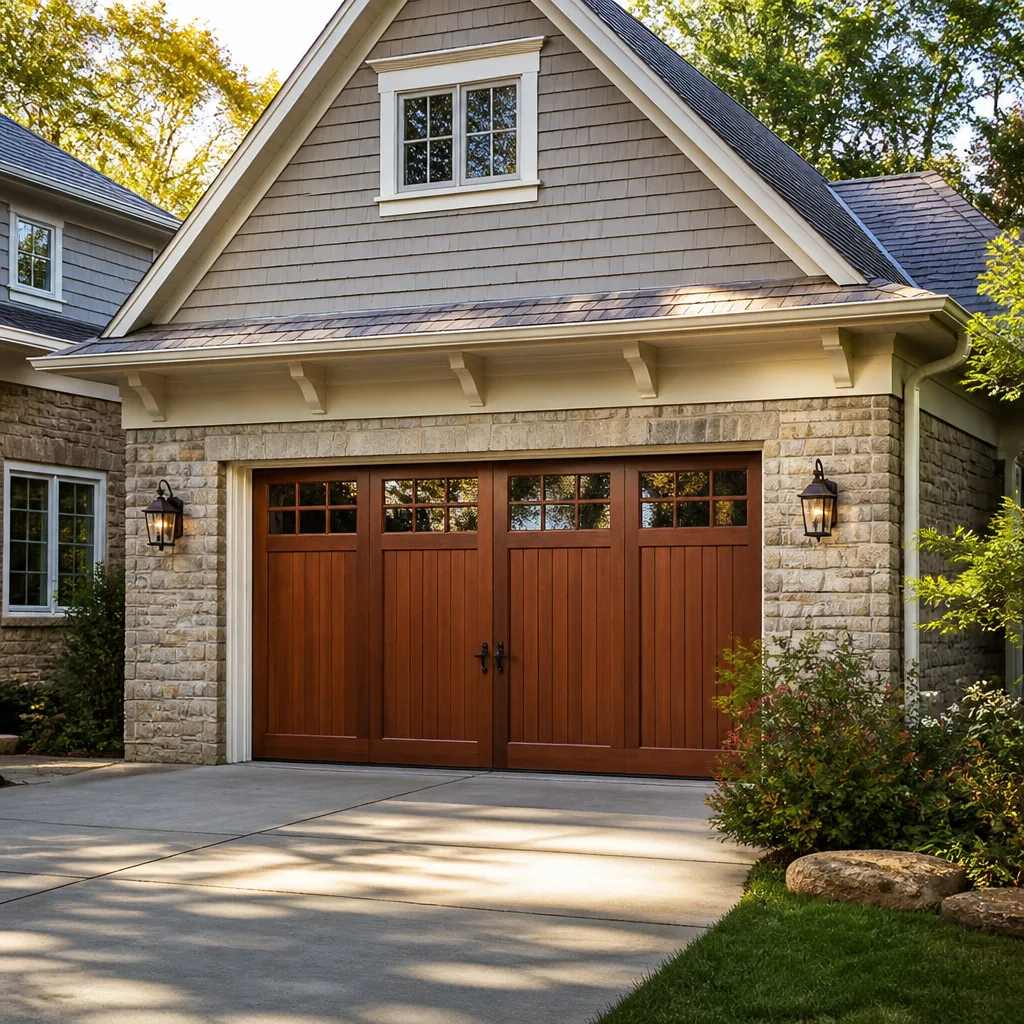 Carriage house
 Modern flush
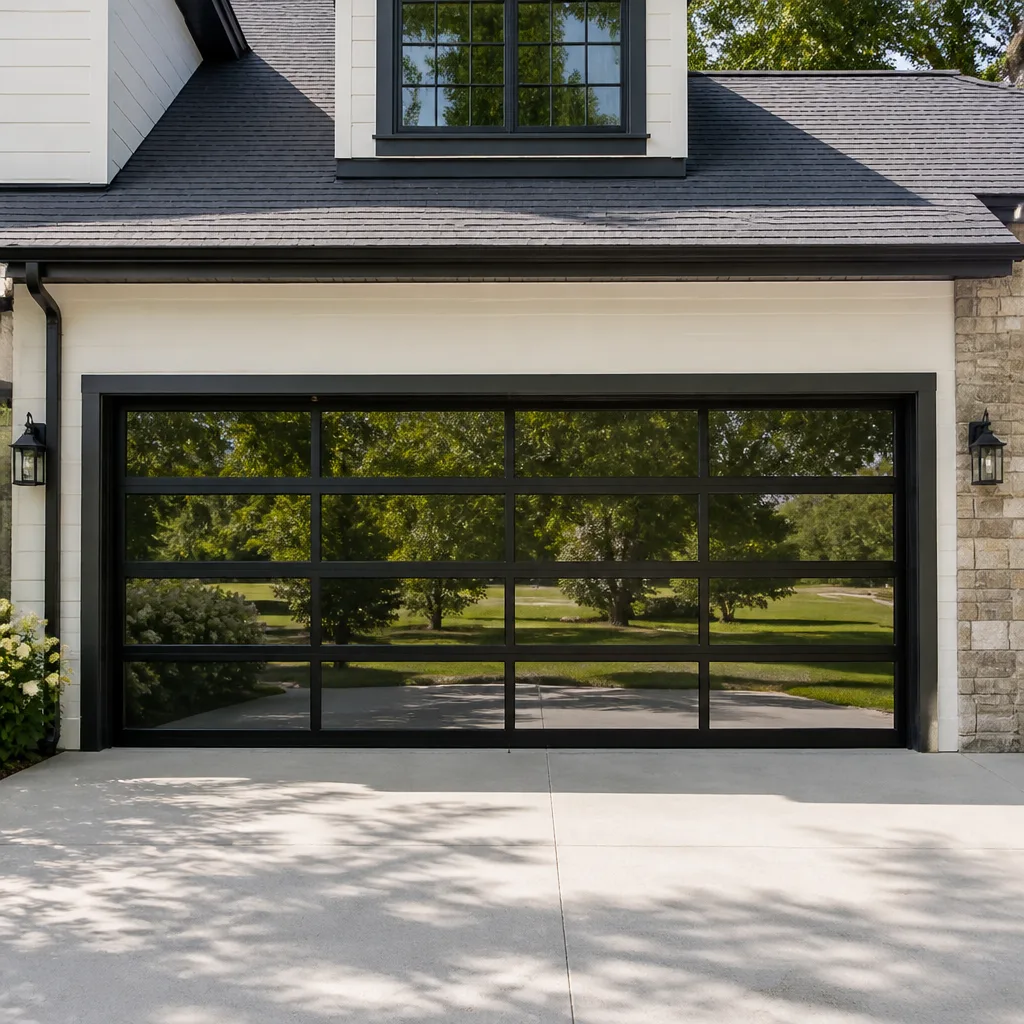 Full-view glass
 LiftMaster openers
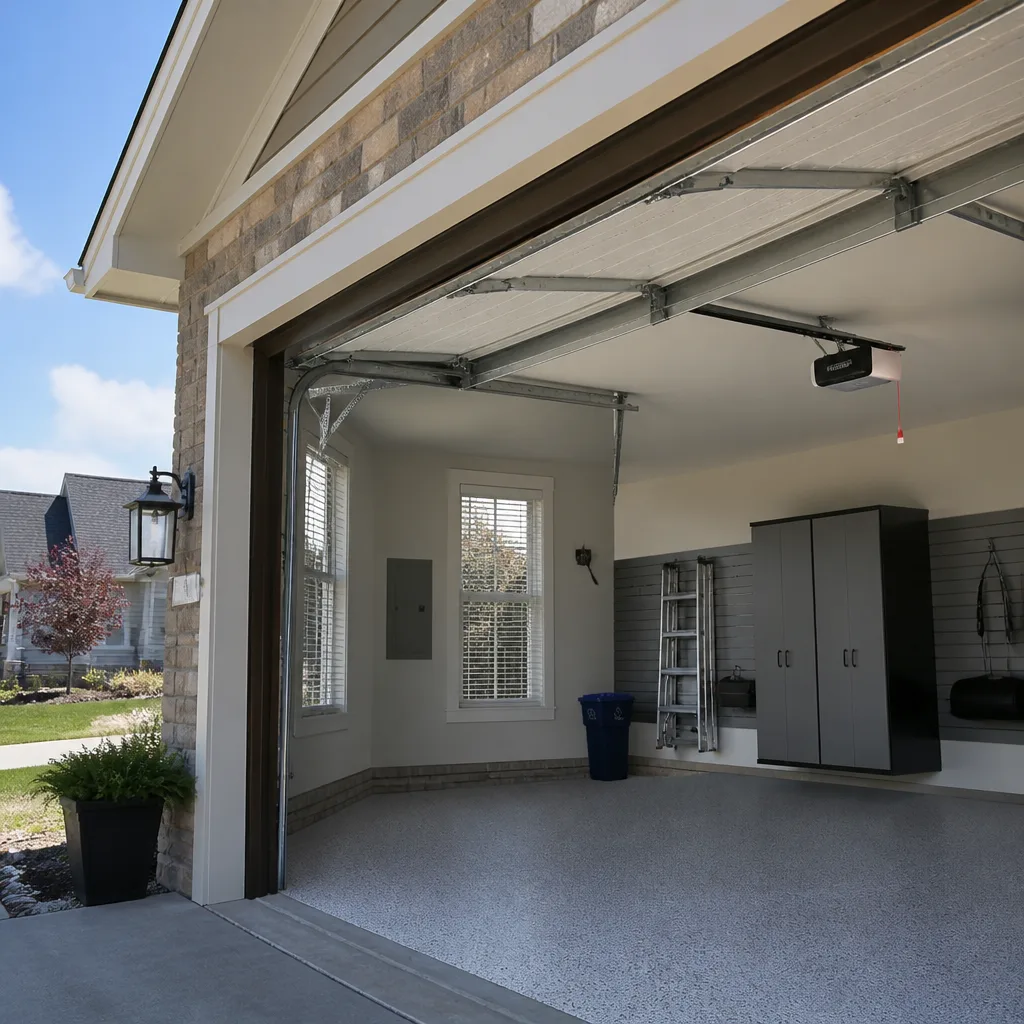 Chamberlain openers
Full 25-point door and opener safety check with every visit - springs, cables, rollers, tracks, and your LiftMaster or Chamberlain opener included
You get a price before we start. It does not change when the pro arrives.
Get your free estimateHow to Hire a Garage Door Contractor in Delaware: A Step-by-Step Guide
Ohio doesn’t require a specialty license for garage door work. That single fact is why hiring well matters more here than most homeowners expect. The person who answers your call and shows up in a truck may hold no formal credential at all, and you won’t find out until a spring lets go, the door comes down crooked, or a warranty claim gets denied because the repair wasn’t done to the manufacturer’s spec. Hiring the wrong contractor costs more than money. It can leave you holding liability for a dangerous job. This guide walks you through the exact vetting process we’d use ourselves, including the three questions most homeowners never think to ask. It’s written for Delaware, where the market moves fast and the stakes are higher than they look.
Quick Answer
To hire a garage door contractor in Delaware, verify three things before booking: proof of general liability insurance with a certificate naming you as additionally insured, a written estimate that separates parts from labor, and a written warranty that covers both parts and workmanship. Ohio does not issue a specialty license for garage door work, so these documents are the real credentials. A contractor who can’t produce all three on request isn’t worth the risk.
Styles & brands we work with
- Raised-panel steel
- Carriage house
- Modern flush
- Full-view glass
- LiftMaster openers
- Chamberlain openers
Table of Contents
- What Ohio Actually Requires of Garage Door Contractors
- How to Verify Insurance the Right Way
- The Three Questions Most Homeowners Never Ask
- Parts on Hand vs. Parts on Order: Why It Changes Your Timeline
- How to Compare Garage Door Quotes Line by Line
- Red Flags Specific to Garage Door Quotes
- Why Multi-Brand Coverage Matters for Future Repairs
- Step-by-Step: The Hiring Process From First Call to Final Payment
What Ohio Actually Requires of Garage Door Contractors
Ohio does not issue a specialty license for garage door installation or repair. That’s the plain truth, and it surprises most homeowners. A general contractor’s license exists for larger construction categories, but garage door work doesn’t sit inside those categories in a way that forces specialty credentialing. What this means in practice: the person you hire off a quick search may have zero formal training, and there’s no state database to check.
What legitimate companies carry voluntarily is what actually matters. In our experience working Delaware jobs, the gap between a properly documented contractor and an undocumented one shows up in the paperwork, not the pitch. Here’s what a well-run garage door company should be able to produce without hesitation:
- General liability insurance: protects your property if something gets damaged during the work.
- Workers’ compensation coverage: protects you from liability if a technician is hurt on your property.
- A written estimate: itemized, signed, and presented before any work begins.
- A written warranty: covering both the parts supplied and the labor to install them.
None of these are mandated by the state. They’re the mark of a company that treats the work as a trade, not a side job. When you’re comparing contractors in Delaware, the voluntary documentation is your only real filter. Ask for it early and watch how the response lands. A professional answers without friction. Someone cutting corners gets defensive or vague.
The other piece Ohio regulates is permits. Most municipalities require a permit for structural work like replacing a door or altering the opening, though the rules vary by jurisdiction. Ask your city’s building department directly whether your specific job needs one, and ask the contractor how they handle permitting. A company that works on doors every week should know the drill. One that doesn’t may leave the permit to you, which shifts the risk back onto your shoulders.
How to Verify Insurance the Right Way
Asking “are you insured” gets you a yes from nearly everyone. That yes is worth almost nothing on its own. The protection comes from the certificate of insurance, a document your contractor’s insurer issues that lists coverage limits, effective dates, and the policyholder. That’s the paper trail you want before anyone touches your door.
Here’s the step that most homeowners skip, and it’s the one that actually protects you: request a certificate that names you as additionally insured. For a one-off residential job this isn’t always standard, and some contractors will push back. But the request itself tells you something. A company that carries real coverage can usually arrange it. A company that doesn’t will find reasons to avoid the conversation entirely.
How to check, in order:
- Ask for the certificate of insurance before the estimate, not after.
- Confirm the general liability limits are sufficient for the size of your job.
- Confirm workers’ comp is active, not exempt.
- Call the insurer’s number on the certificate to verify it’s real and current.
- Request to be named as additionally insured for the duration of the work.
That last step is where liability gaps get closed. If a technician is injured on your property and the company has no workers’ comp, the claim can follow you. If a door panel cracks a window or damages siding during install and the company has no liability coverage, you’re negotiating from a weak position. The certificate is how you move that risk off your side of the table.
We’ve seen Delaware homeowners discover after a botched job that the “insured” contractor on the phone was only covered for a different category of work, or had let the policy lapse. Verifying upfront takes five minutes and prevents that entirely.
The Three Questions Most Homeowners Never Ask
Most people ask about price and availability. Those are fair questions, but they don’t tell you whether the person doing the work is qualified. The three questions below do. Ask all three before you book.
1. What brand of opener and door will you be working on, and how familiar are you with that system?
This sounds basic, but it exposes a real weakness. A technician who only works on one opener brand (say LiftMaster) will struggle with a Chamberlain or a Craftsman system because the logic board layouts and programming sequences differ. A contractor who handles multiple brands can diagnose and repair yours without guesswork. Multi-brand fluency is the single best predictor of a clean fix, and it’s the reason we work on the major makes homeowners in Delaware actually have: LiftMaster, Chamberlain, Genie, Clopay, Amarr, Wayne Dalton, Craftsman, and Raynor.
2. Can you show me a written warranty that covers labor, not just parts?
Parts warranties are common. Labor warranties are not, and that’s where the surprise cost hides. If a spring fails months after installation and the labor isn’t covered, you pay for the return visit. Ask to see the warranty in writing and confirm the labor term separately from the parts term. A company that can’t specify both in writing is a company you should walk away from.
3. Will you give me an itemized estimate that separates parts from labor and states the full total before work starts?
This is the anti-surprise question. It forces an itemized document, not a spoken range. It also locks the price in writing before anyone opens the toolbox. The number on the estimate should be the number on the invoice. If a contractor won’t commit to that, the answer to the question is already no. These three questions take two minutes and will filter out most of the risk in your hiring decision.
Parts on Hand vs. Parts on Order: Why It Changes Your Timeline
Here’s a distinction that rarely gets discussed and affects your timeline by days. A contractor who keeps common parts on hand can often handle simple repairs with minimal waiting. A contractor who orders every part per job adds a supplier lead time to every visit. For standard items like a set of springs, that waiting is usually short. For opener parts or door-panel replacements, it can stretch into a real delay.
The reason this matters more in a place like Delaware than homeowners expect is simple geography and demand. The area is growing, so contractors’ workloads fill up, and supplier stock for less common parts isn’t always next-day. A technician who works your brand regularly is more likely to keep the components that make and model actually needs.
How to read this in a quote:
- Ask, directly, whether the part is on hand or needs to be ordered.
- If it needs ordering, ask for the expected lead time in writing.
- Ask whether the quoted price already accounts for the part or includes a markup you don’t know about.
- Confirm the quoted price is locked even if the part costs more when it arrives.
None of this means an order is a problem. Genuinely rare parts get ordered by everyone. But you should know which situation you’re in before you commit, and the honest answer reflects a contractor who knows their supply chain well.
How to Compare Garage Door Quotes Line by Line
Comparing totals is the least useful thing you can do with two quotes. A $200 difference in the bottom line can hide a much bigger difference in what’s included. Compare line items, and the real picture appears.
Here’s a working example for spring replacement. A single spring typically runs from $180 to $340 in the Delaware market, depending on the door and the spring type. A matched pair costs roughly twice that, because you’re replacing two springs. If one quote shows a much lower number for the pair, something is missing. Ask what’s excluded: labor, sizing, hardware, testing.
| Line item | What to confirm |
|---|---|
| Springs | Type, gauge, and whether single or matched pair. A pair of springs is about twice the single-spring price. |
| Labor | Stated as its own line, not lumped into parts. |
| Hardware | Bearings, cables, rollers, and drums, if replaced. |
| Opener parts | Brand and model specified. |
| Warranty | Separate parts term and labor term, in writing. |
| Permit | Whether it’s included and who pulls it. |
| Final total | Confirmed before work starts. |
A good quote reads like a short spec sheet, not a headline number. When you line up two quotes side by side this way, you’ll usually find that the “cheaper” one is missing something the other includes. That’s the comparison that matters. The written estimate you’re handed sets the price, so make sure it sets all of it.
Red Flags Specific to Garage Door Quotes
Garage door work attracts a certain kind of operator because the failure is urgent and the customer is usually stressed. That’s exactly when a bad quote slips through. Watch for these:
- A spring price that’s too low to be real. A single spring quote well below the typical $180 to $340 range usually means a lower-grade spring, no labor line, or an upsell waiting on the invoice.
- No separate labor line. When parts and labor are mushed into one number, you can’t tell what you’re actually paying for, and there’s no way to compare.
- No written warranty on labor. Parts warranties are easy to promise. Labor warranty is where the contractor puts skin in the game.
- Vague on brand and model. A quote that says “opener” but never names the LiftMaster, Chamberlain, or Craftsman model should raise your eyebrow. The brand determines what parts fit.
- A contractor who won’t commit to a price in writing. “We’ll know more when we see it” is fine as a diagnostic stance. It’s not fine as the entire pricing structure. The estimate should nail the number before work starts.
- You’re told you need a new door before anyone has opened the old one. Real diagnosis comes first. Repair comes second.
- Pressure to decide on the spot. Legitimate contractors in Delaware have work lined up. They don’t need a high-pressure close on your driveway.
None of these are exotic. They show up because the stakes are high and the work is fast. Knowing them in advance is what keeps you out of the trap.
Why Multi-Brand Coverage Matters for Future Repairs
A contractor who only services one opener brand is a liability for every future repair, not just the current one. This is the part of the hiring decision that homeowners underestimate most.
Here’s the reasoning. Your garage door system is a mixed set of parts: a door from one manufacturer, an opener from another, springs and hardware from whoever installed them. Doors from Clopay or Amarr don’t pair with a single openers brand. If the company you hire can only work on, say, LiftMaster, then your Chamberlain or Craftsman opener is out of their scope. You’ll be back to searching for a second contractor the next time something breaks, and the new contractor inherits a system the first one set up without regard for what’s actually in the garage.
The fix is straightforward: hire someone who works on the brands you already own or plan to own. That’s the reasoning behind our own approach. We’re factory-familiar with eight major makes (LiftMaster, Chamberlain, Genie, Clopay, Amarr, Wayne Dalton, Craftsman, and Raynor), which means garage door opener repair and door work happen on the system that’s actually in front of us. When you need a new door or opener down the line, the same company can install and then service it. That continuity is the point. A multi-brand contractor is a single call for garage door repair now and garage door installation later, rather than a stack of separate vendors who each know half the system.
When you interview contractors, ask them to name the opener brands they work on. The answer should be a list, not a single name.
Step-by-Step: The Hiring Process From First Call to Final Payment
Here’s the sequence we’d recommend following, in order, from start to finish. Each step closes a specific risk.
- Describe the problem on the first call. A spring snapped, the door is off track, or the opener is dead. Good companies ask which brand of opener and door you have right away. If they don’t, note it.
- Ask for the written estimate before booking. The estimate should be itemized and include the full total. Free estimates are standard, so ask for one.
- Request proof of insurance. Get the certificate of insurance and ask about being named as additionally insured. This is the step that moves liability off your property.
- Confirm the parts situation. On hand or on order, and what the timeline is.
- Get the warranty in writing. Two lines: one for parts, one for labor. Confirm both before anyone touches the door.
- Lock the price. Confirm the estimate is the final price and that no work begins until you’ve agreed to it in writing.
- Ask about permits. Check with your city’s building department if you’re unsure whether your job needs one.
- Settle on the schedule. Confirm the dispatch window and who to call if anything changes.
- Pay only after inspection. Run the door yourself, check the balance and the safety reversal before you pay.
We answer 24/7, so the first call can happen whenever the failure does. Fast dispatch from 7am to 7pm, Sunday through Friday. Unless the issue is urgent, though, the vetting above is worth the few extra minutes. The right contractor is the one who invites the questions, not the one who dodges them.
When you’re ready to start, call (833) 509-5064. Estimates are free, and the price is quoted and agreed before any work starts. You can also read more about Garage Door Repair Delaware and what we cover.
Common Mistakes to Avoid
- Hiring on price alone. Two sentences: the cheapest quote usually skips the insurance, the written warranty, or both, and you won’t discover which until something goes wrong. Compare line items, not totals.
- Accepting “insured” as an answer. You need the certificate, not the word. Two sentences: ask for the certificate and confirm it’s current. The verification is the protection.
- Not asking what happens on a matched pair of springs. A single spring may be quoted, but a pair is usually replaced together. Two sentences: confirm whether the quote covers one spring or two. Buying one spring and replacing the other later is a false economy, and a matched pair costs about twice the single-spring price.
- Missing the labor warranty. Parts warranties get promised; labor warranties get forgotten. Two sentences: insist on both in writing before work begins. If a labor warranty isn’t offered, you’re exposed on the return visit.
- Not confirming the brand. A contractor who only works on one opener brand is a liability for your next repair. Two sentences: ask which brands they service and expect a list. In Delaware, a company that works on LiftMaster, Chamberlain, and Craftsman is far safer than one that only handles a single make.
- Skipping the permit check. Most cities require a permit for structural door work, and rules vary. Two sentences: confirm with your city’s building department whether your job needs one. Asking a contractor how they handle permitting is a fast filter.
- Paying before you’ve tested the door. Run the door yourself before final payment. Two sentences: check the balance and the safety reversal. A door that binds or fails to reverse isn’t done.
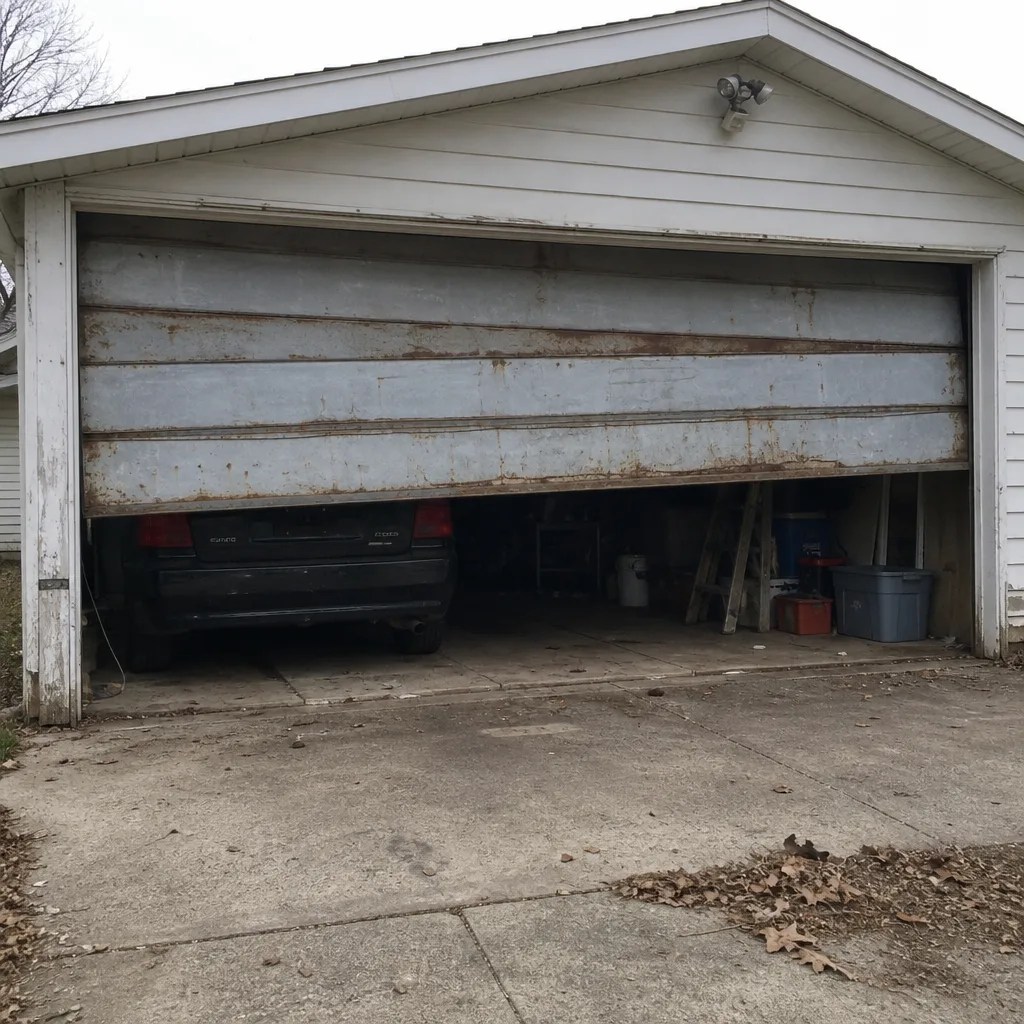
See the difference
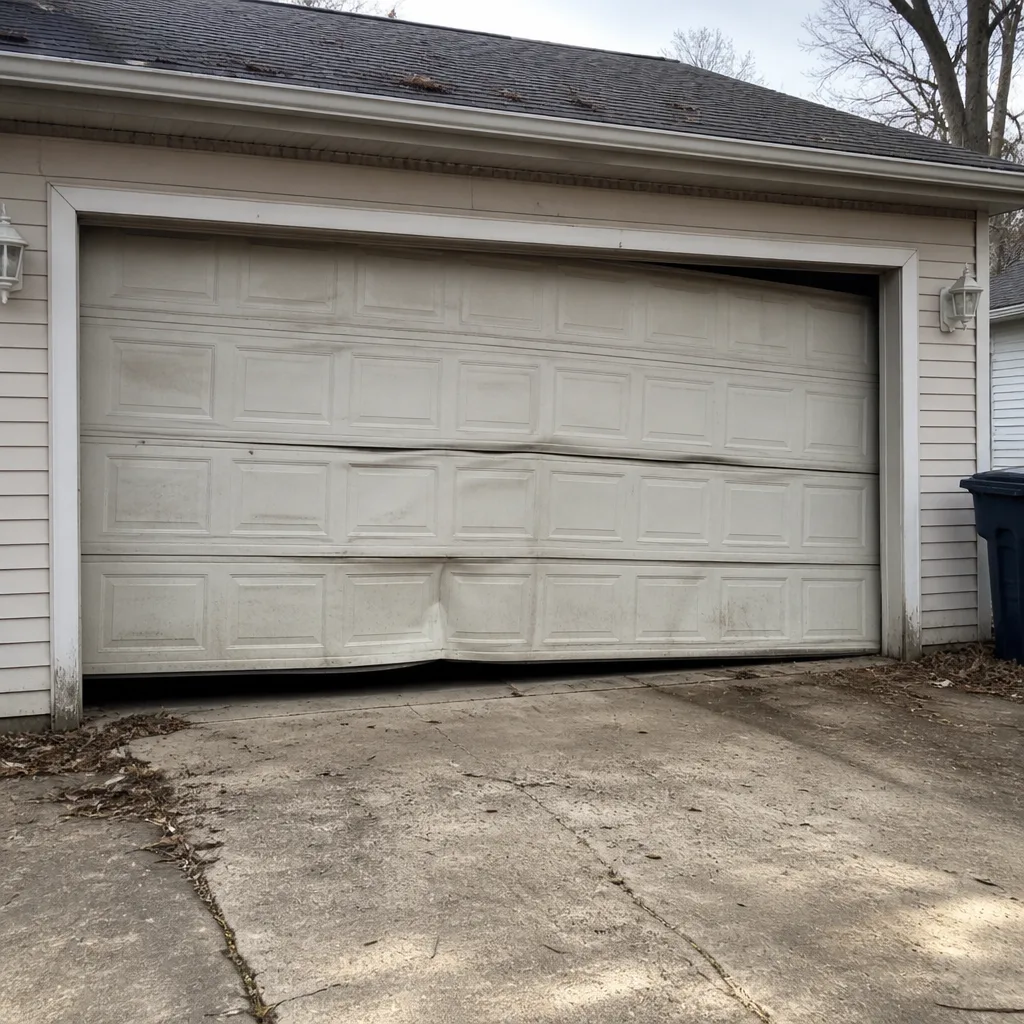 Before
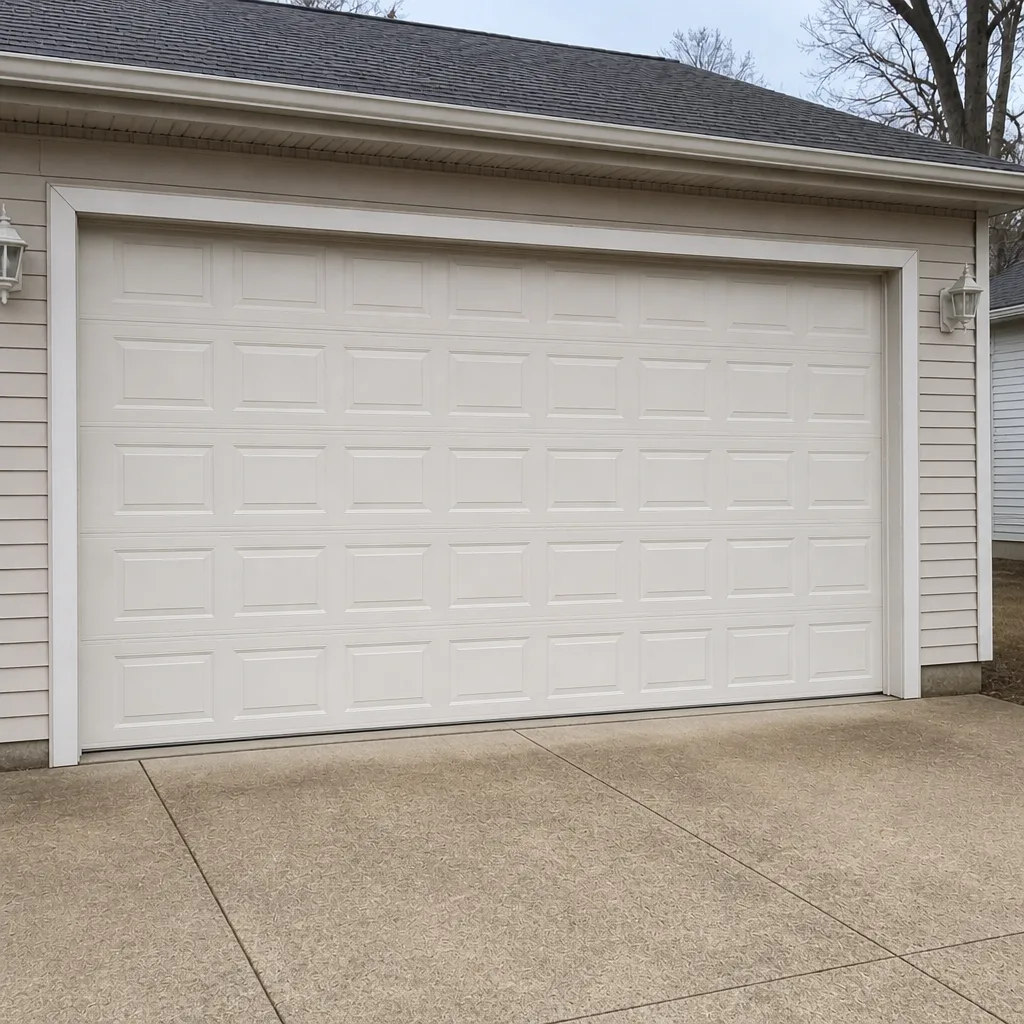 After
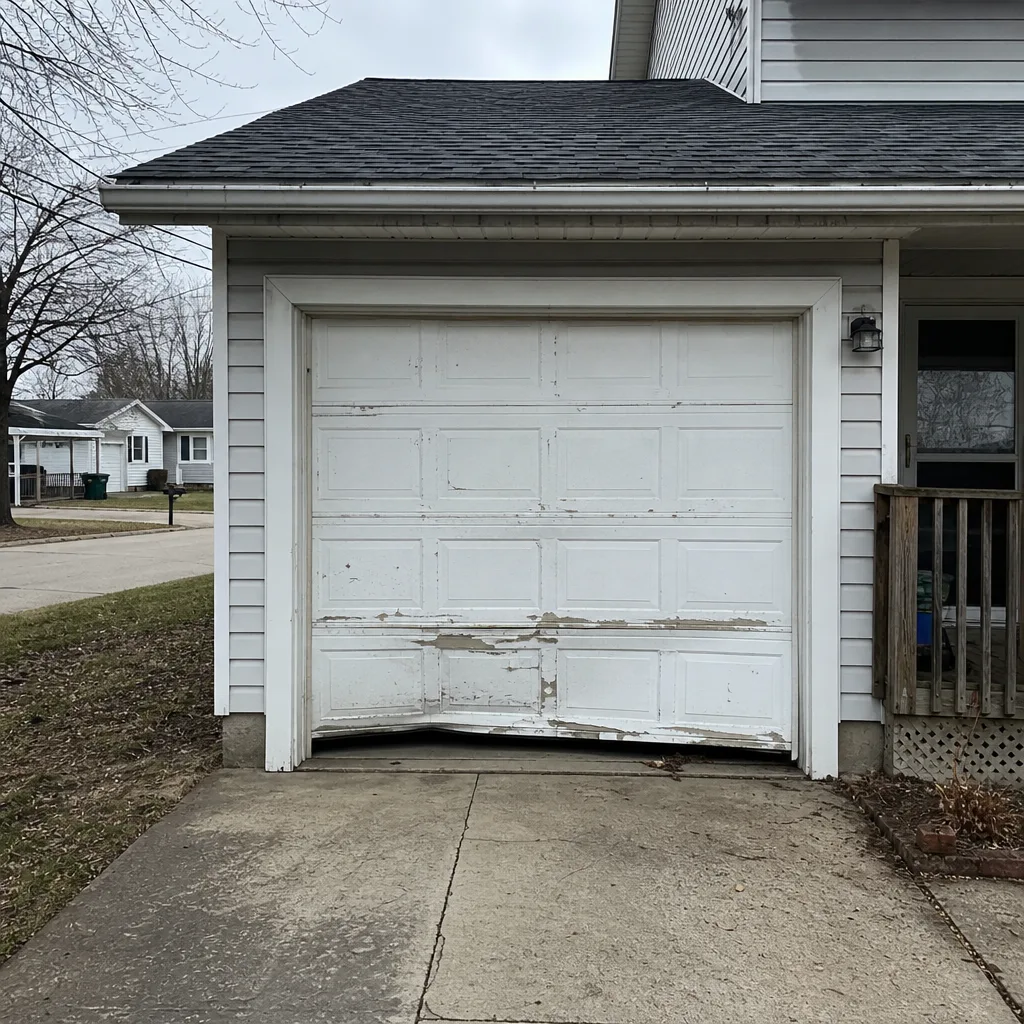 Before
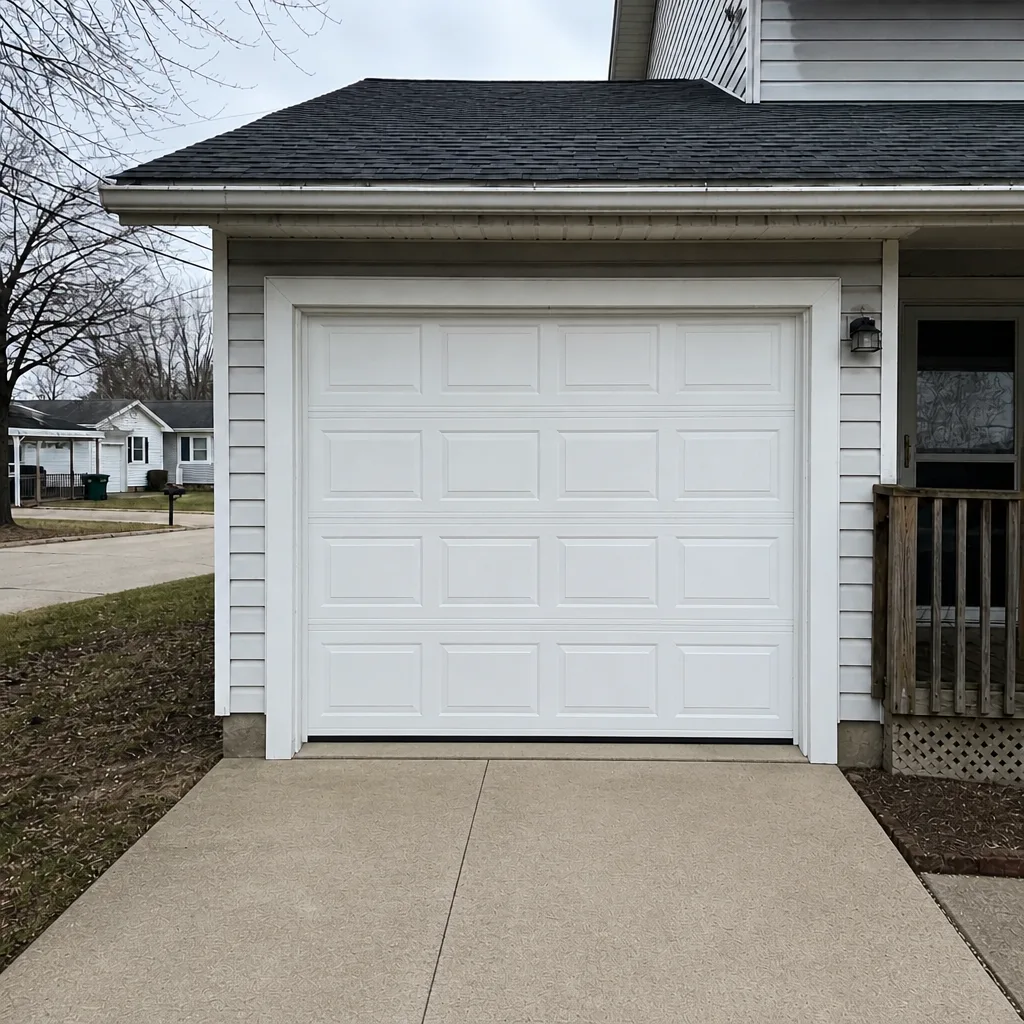 After
 Before
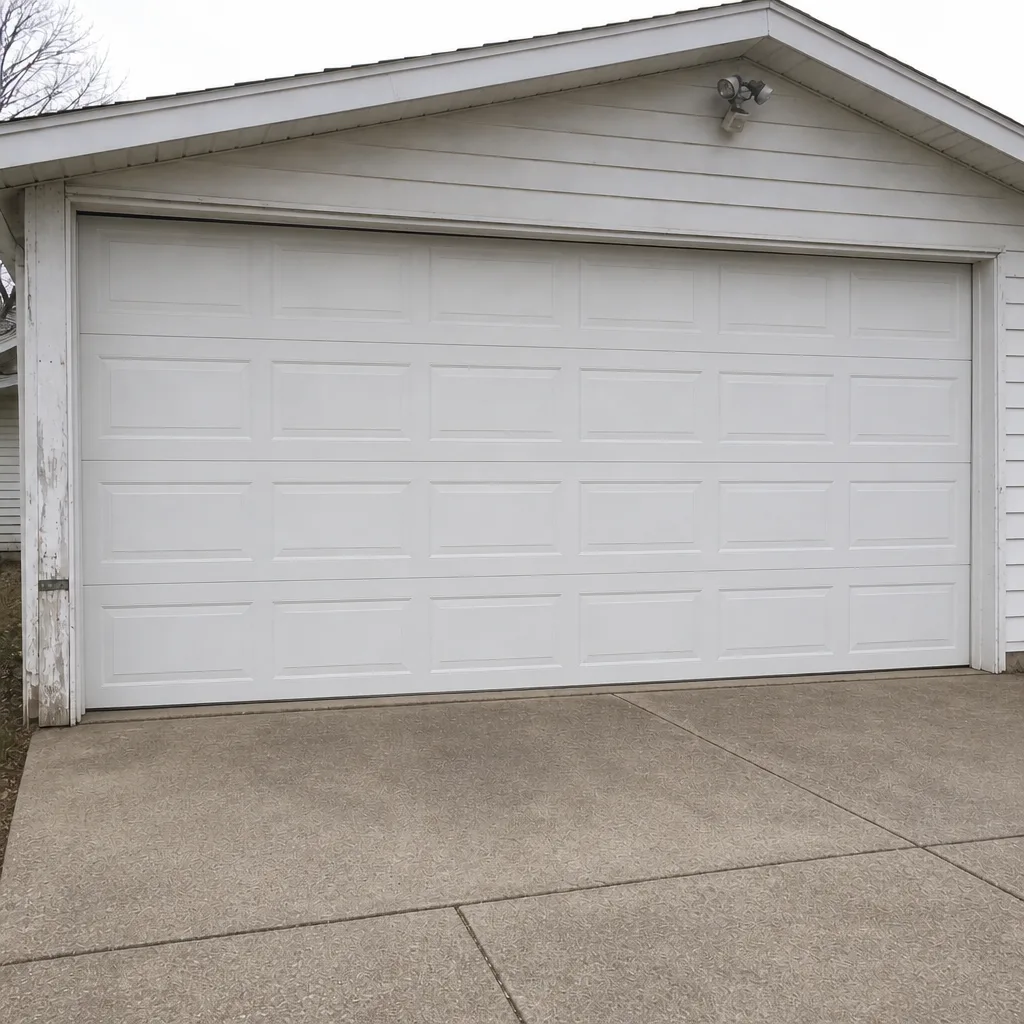 After
When to Call a Professional
Some jobs are doable by a careful homeowner; others genuinely aren’t. Spring work, cable work, and anything that puts you under tension is in the second category. High-tension springs and cables can cause serious injury if they’re handled without the right tools and training, and the risk doesn’t announce itself until it’s already happening. A trained technician manages that risk properly. The same goes for a door that’s off track or a panel that’s hanging: the repair usually means releasing stored tension, and that’s not a job to experiment with. Electrical work on opener wiring falls in the same bucket. If the door won’t open at all, or the car is trapped, Garage Door Repair Delaware offers free estimates in Delaware. Call (833) 509-5064. We answer 24/7. Fast dispatch from 7am to 7pm, Sunday through Friday. For a failure that’s trapping a car or leaving the house unsecured, emergency service is available.
Frequently Asked Questions
No. Ohio does not issue a specialty license for garage door installation or repair, which means the state doesn’t verify training or credentials for this work. Your protection comes from the documents the contractor carries voluntarily: general liability insurance, workers’ comp, a written estimate, and a written warranty.
A single spring typically runs from $180 to $340 in the Delaware market. A matched pair usually costs about twice that, because both springs are replaced together. The written estimate sets the final price, and it’s quoted and agreed before any work starts. Call (833) 509-5064 for an exact quote; estimates are free.
The written estimate sets the price you pay. The estimate gets itemized and agreed before work begins, so the number you accept is the number on the invoice. If the technician finds something the estimate didn’t cover, that gets discussed and priced before any repair proceeds.
Stocked parts can be installed on the current visit; ordered parts add supplier lead time to your timeline. A contractor who works your brand regularly is more likely to have the right components on hand. Ask directly whether the part you need is in stock or on order, and confirm the expected lead time in writing.
The local pro we connect you with is licensed and insured as Ohio requires. That said, Ohio doesn’t issue a specialty garage door license, so the real protection is the certificate of insurance, the written estimate, and the written warranty. Ask for all three; those are the documents that count.
Yes. We offer free estimates, and the price is quoted and agreed before any work starts. Call (833) 509-5064. We answer 24/7. Fast dispatch from 7am to 7pm, Sunday through Friday.
The Bottom Line
Ohio doesn’t license garage door contractors, so the hiring decision rests almost entirely on you. The good news is that a few checks do most of the work. Request the certificate of insurance and ask to be named as additionally insured. Insist on an itemized estimate that separates parts from labor. Get a written warranty that covers labor, not just parts. Ask about parts availability, permit requirements, and which brands the technician actually services. These steps close the liability gap, protect the warranty, and prevent the invoice surprise. If you’re ready to start, call (833) 509-5064 for a free estimate. We answer 24/7. Fast dispatch from 7am to 7pm, Sunday through Friday.
Written by the team at Garage Door Repair Delaware.