
Last updated November 22, 2026
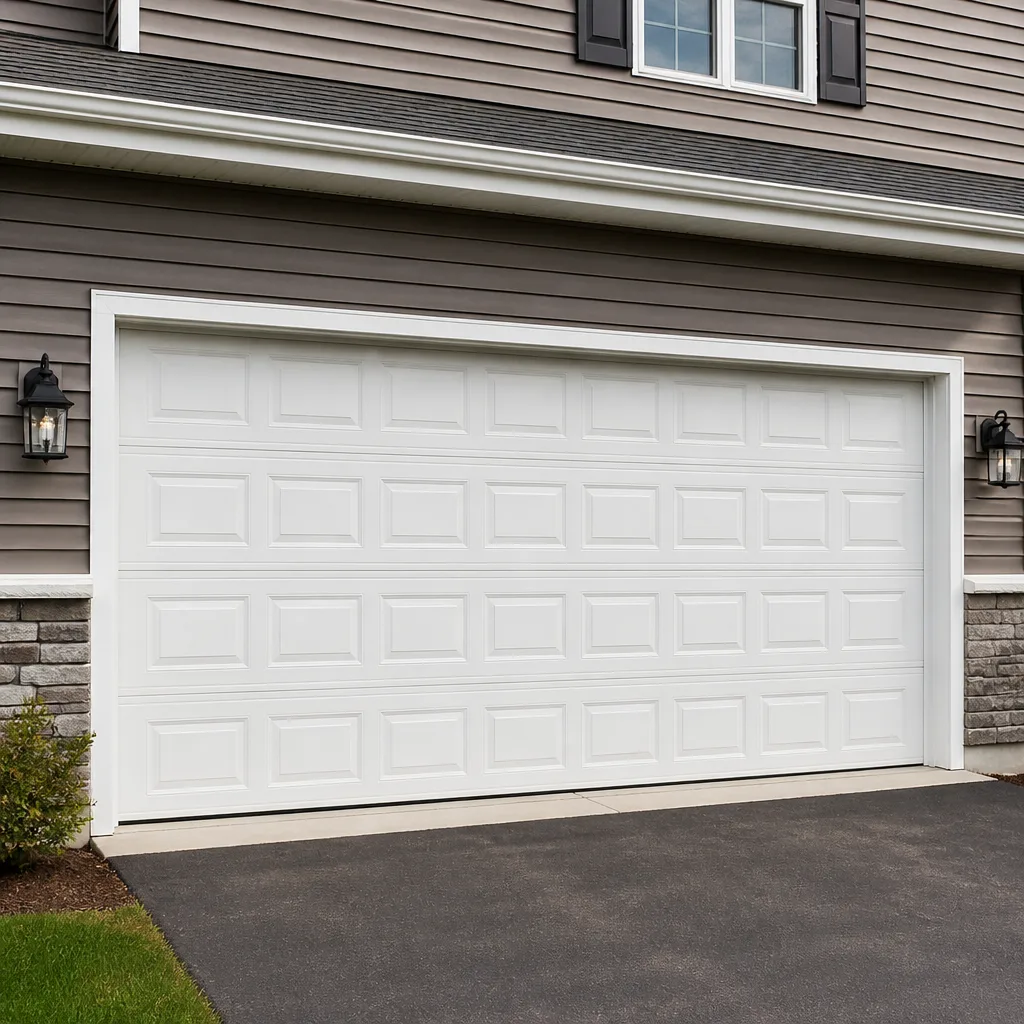 Raised-panel steel
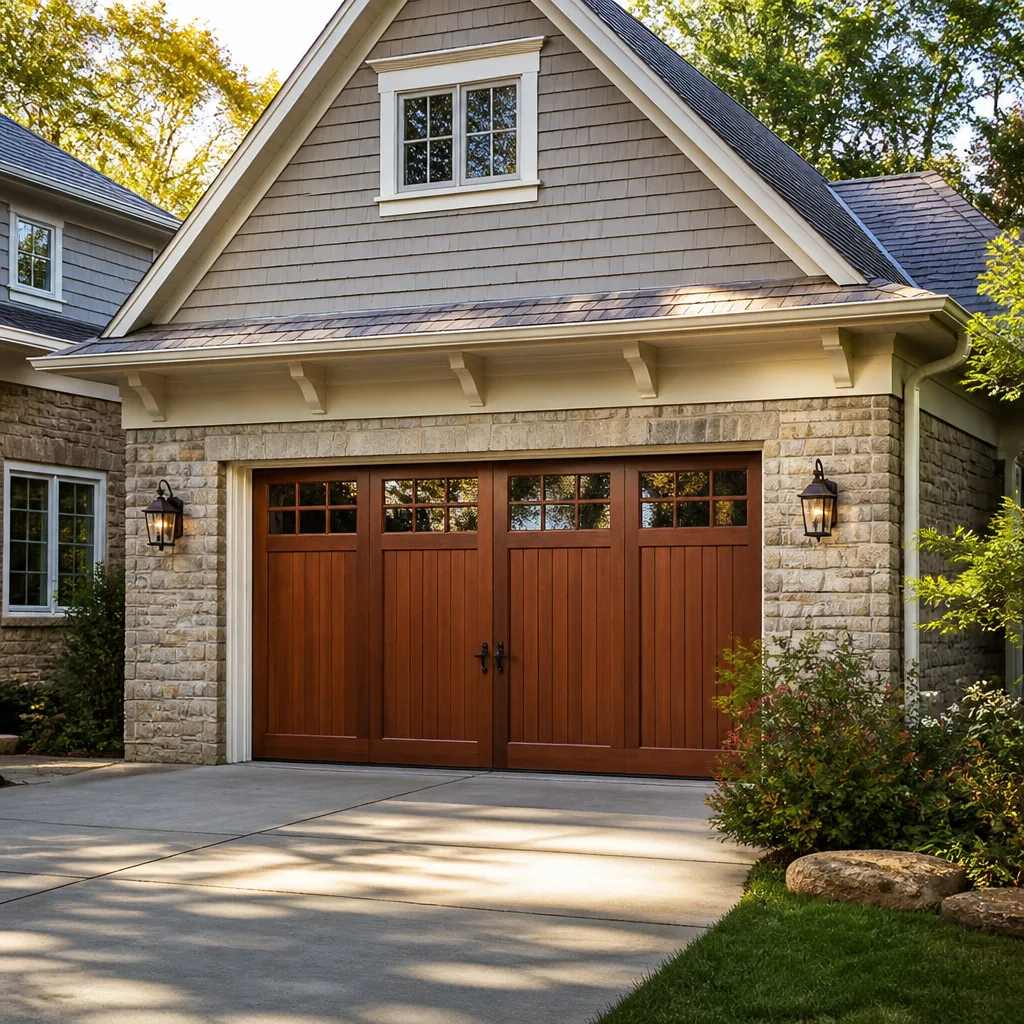 Carriage house
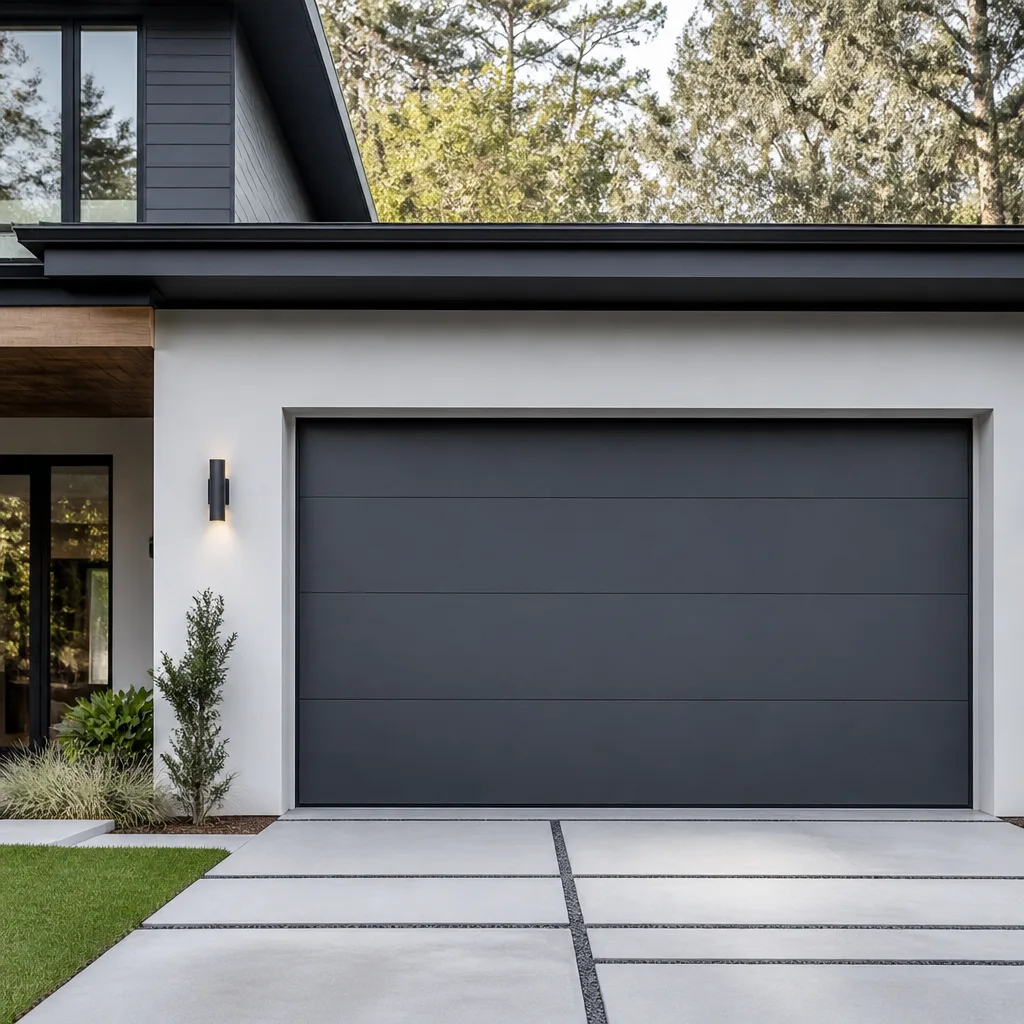 Modern flush
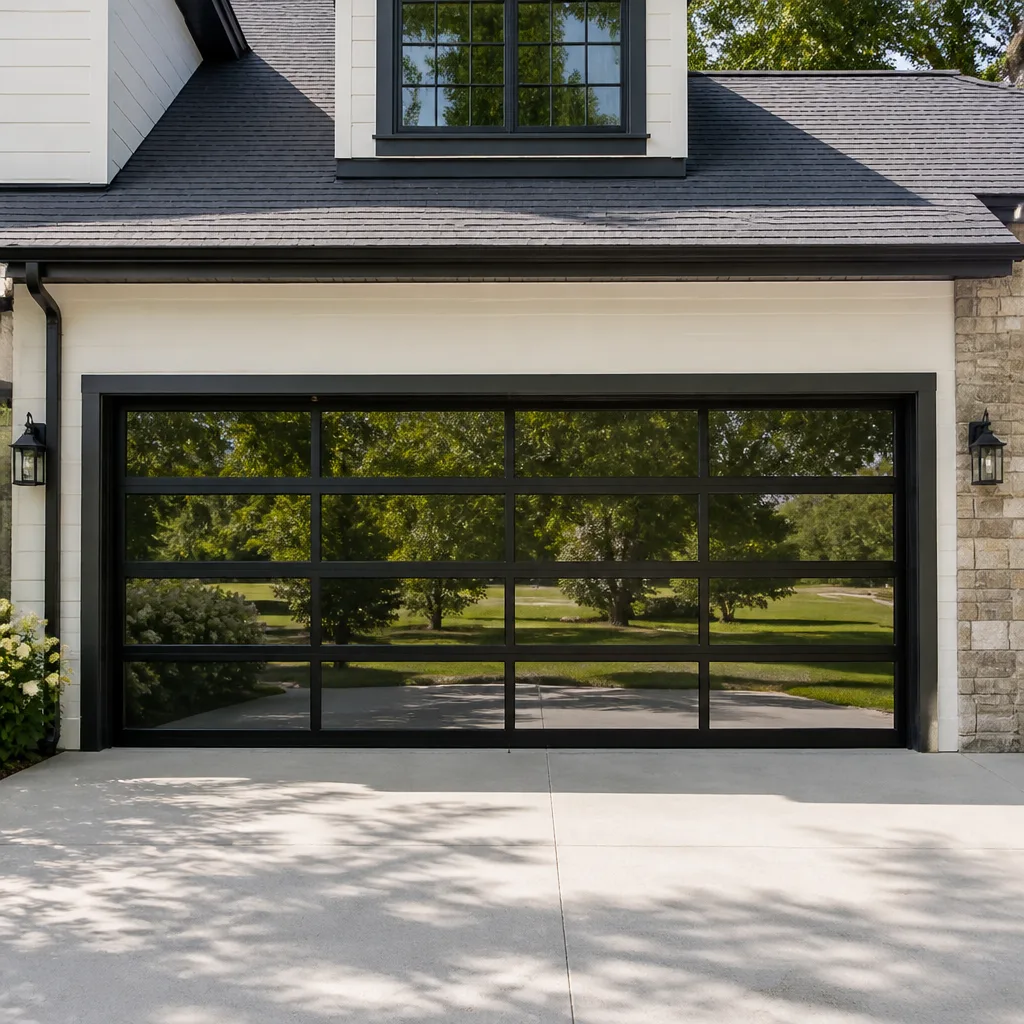 Full-view glass
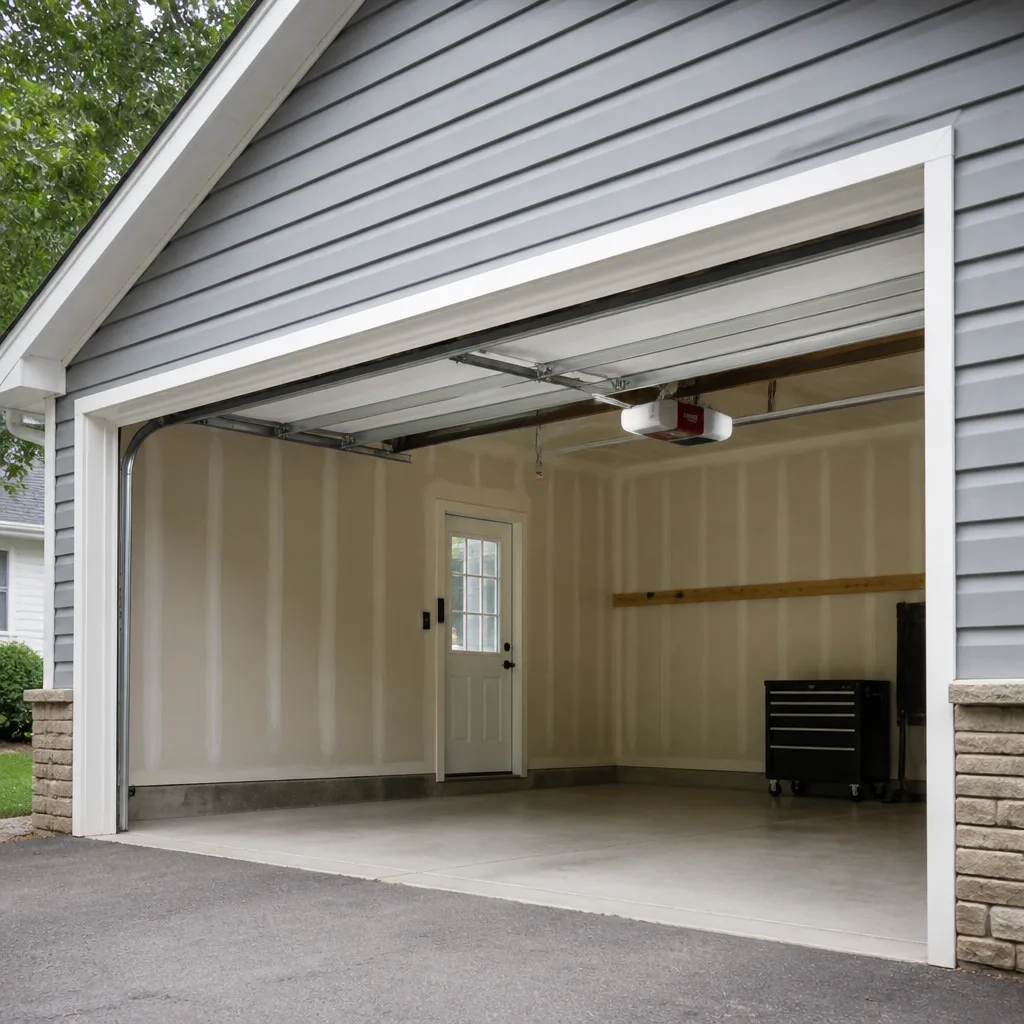 LiftMaster openers
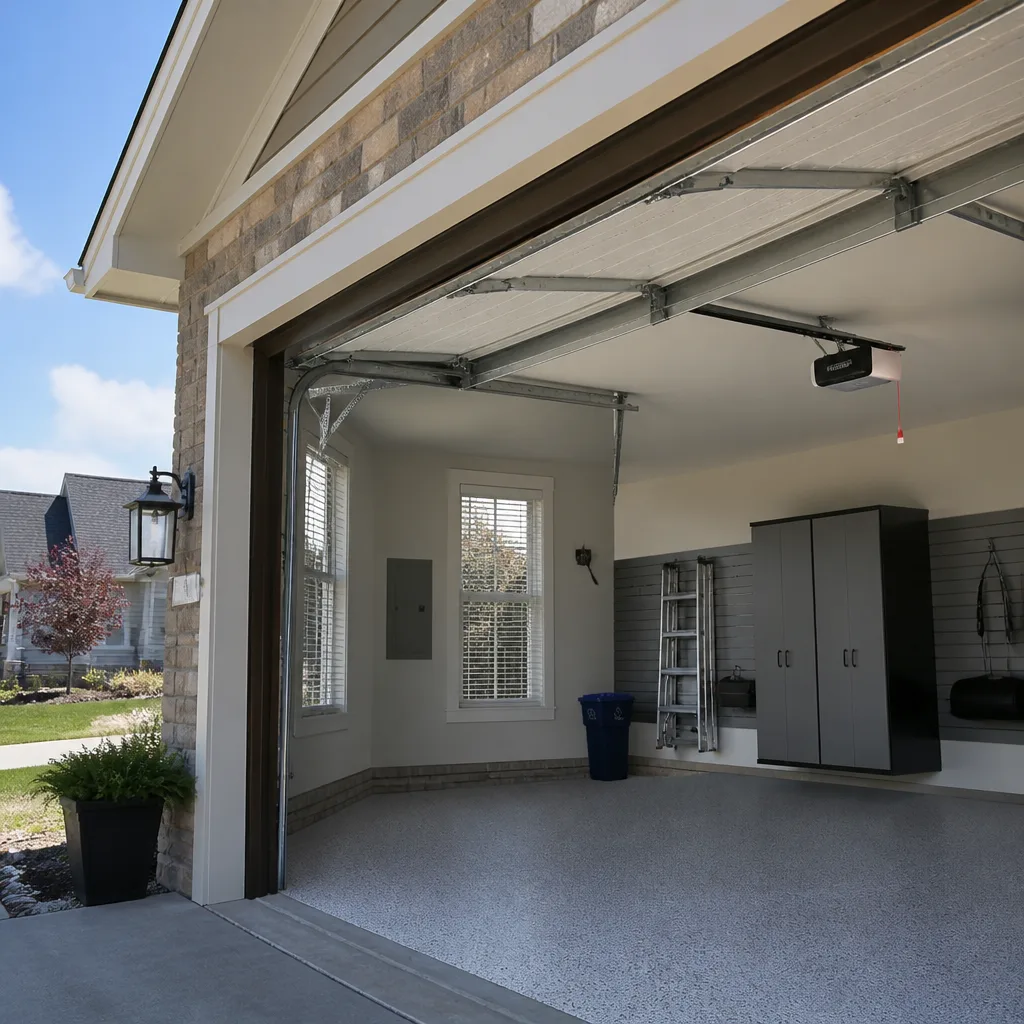 Chamberlain openers
Full 25-point door and opener safety check with every visit - springs, cables, rollers, tracks, and your LiftMaster or Chamberlain opener included
You get a price before we start. It does not change when the pro arrives.
Get your free estimateSeasonal Garage Door Care for Delaware: Year-Round Homeowner’s Guide
The mistake most Delaware homeowners make is treating garage door care as a single annual chore, usually in spring. A garage door in Delaware, Ohio doesn’t fail that way. It fails by accumulation: a little swelling here after a humid August, a cracked bottom seal there after February, a stretched cable after one too many freeze-and-thaw nights. Each season puts a different part of the door under load, and each one asks for a different inspection. This guide maps the specific tasks to the specific damage patterns Delaware’s four seasons create, month by month, so you’re checking the right parts at the right time instead of waiting for something to snap.
Quick Answer
Seasonal garage door care in Delaware, Ohio comes down to four seasonal checkpoints: in fall, test and replace the bottom weatherstripping and lubricate all moving metal before the first hard freeze; in winter, watch battery and sensor performance as temperatures drop below 20°F and keep the door clear of ice at the threshold; in spring, inspect cables, drums and bottom brackets after snow-melt season; in summer, check wood-composite and steel panels for moisture swelling and track distortion. The two tasks that cause the most avoidable damage when done at the wrong time are weatherstripping replacement (fall only) and cable inspection (spring, after ice load).
Styles & brands we work with
- Raised-panel steel
- Carriage house
- Modern flush
- Full-view glass
- LiftMaster openers
- Chamberlain openers
Table of Contents
- Why Delaware’s Climate Stresses Garage Doors Differently
- Fall: The Only Window to Replace Bottom Weatherstripping
- Winter: Batteries, Sensors and the Sub-20°F Threshold
- Spring: Cable and Drum Inspection After Ice Load
- Summer: How Humidity Affects Wood Composite vs. Steel Panels
- Month-by-Month Task Card for Delaware
- What Brand Fluency Changes About Seasonal Care
- Common Mistakes to Avoid
- When to Call a Professional
- Frequently Asked Questions
Why Delaware’s Climate Stresses Garage Doors Differently
Delaware sits in a part of central Ohio where winter and summer both push hardware to its limits, just in opposite directions. That combination matters more than any single season on its own.
Freeze-thaw cycles are the quiet culprit. Every time the temperature climbs above freezing during the day and drops again at night, moisture in a door seal, a track joint or a hinge expands and contracts. Multiply that across a winter and you get hardware that’s been flexed hundreds of times before spring even arrives. Wood-composite panels absorb and release that moisture. Steel panels resist it but flex at their seams. The two materials age in completely different ways under the same Ohio weather.
Summer humidity works the other way. Wood composite swells and shrinks with moisture content, and a door that fit perfectly in May can drag on its track by August. Steel doesn’t swell, but it can expand with heat and pull slightly out of alignment at the panels.
This is why a spring-only maintenance routine misses half the picture. The interior of Delaware sees snow, ice, humid summers and storm-driven rain within the same twelve months. Components wear on different schedules because each season loads them differently.
The good news: most of this is predictable. When you know which part is under stress in which month, you can inspect it before it fails rather than after. That’s the whole point of a seasonal approach, and it’s why a Garage Door Repair Delaware technician can usually tell you what season a door has been neglected in just by looking at the wear pattern.
Fall: The Only Window to Replace Bottom Weatherstripping
Fall is the correct window to test and replace the bottom weatherstripping, and doing it in winter causes more damage than it prevents. The rubber or vinyl seal at the bottom of the door is the part that keeps water, cold air and pests out. Once it’s cracked or compressed, it stops doing its job, and a hard Ohio winter finds every gap.
Here’s why the timing matters so much. A new weather seal installed in cold weather is stiff and doesn’t seat properly against a cold concrete floor. It may look fine on the day, but it won’t compress the way it should when the door closes, so it leaks air and moisture from day one. Installing it in cool fall temperatures gives the material time to settle and conform before the ice arrives. Doing the job in summer means the seal forms to warm concrete and may not seal as tightly when the slab contracts in winter.
Fall weatherstripping checklist
- Close the door and inspect the bottom seal for cracks, flat spots or visible gaps against the floor.
- Test the seal by sliding a piece of paper under the closed door; if it pulls out easily, the seal isn’t making contact.
- Check the door’s threshold and side seals for daylight, which shows where cold air is getting in.
- Lubricate hinges, rollers, springs and the opener rail with a garage-door-specific lubricant, not general-purpose oil, before the cold sets in.
- Test the opener’s safety reversal and photo-eye sensors while the weather is still mild enough to work outside comfortably.
- Look at the door’s balance: lift it halfway by hand (with the opener disconnected) and see if it stays put. A door that drifts means spring tension is off, which is a professional job.
Fall is also the right time to schedule any garage door repair you’ve been putting off. Repairs done in mild weather hold better than repairs done in a January freeze, and it removes one more thing that could strand a car on a cold morning.
Winter: Batteries, Sensors and the Sub-20°F Threshold
In winter, garage door problems cluster around batteries, sensors and cold-stiffened moving parts. Below 20°F, the small batteries in remote controls and wireless keypads lose a meaningful share of their voltage, and that voltage drop is what causes the “phantom malfunctions” LiftMaster and Chamberlain owners report every January.
Here’s what happens. A remote that worked fine in October pushes just enough voltage in warm weather. Drop below 20°F and that voltage falls off, so the opener may not receive a clean signal. The door doesn’t open, and it looks like a major failure when the actual fix is a fresh battery. The same applies to wireless keypads mounted outside the garage. We’ve seen this pattern repeatedly: a door that “won’t respond” in the coldest week of the year is often a battery issue, not an opener failure.
Winter inspection priorities
- Remote and keypad batteries: replace them before the first cold snap rather than waiting for a failure. It’s the cheapest preventive step on this list.
- Photo-eye sensors: clear snow, ice and road grit away from the lenses. A sensor that’s blocked by a drifted pile of snow will read as an obstruction and reverse the door.
- Cold-stiffened lubricant: if the door sounds louder or moves slower in cold weather, the lubricant may be too thick for the temperature. Garage-door lubricant made for cold climates helps.
- Threshold ice: keep the area where the door meets the floor clear of ice. A door that closes on ice can bend the bottom panel or break the weather seal.
- Opener force settings: if the door reverses on its own in cold weather, the opener’s force setting may be reacting to a stiff door. Don’t crank the force up; diagnose the stiffness first.
If a door fails during a cold snap, the priority is getting a trained technician out to diagnose rather than forcing the door by hand. Cold metal is more brittle, and a spring or cable that’s already stressed is more likely to fail completely under manual force. A garage door opener repair call in winter is often as simple as a sensor adjustment or a battery swap. But a door that’s genuinely stuck should be looked at by someone who knows what to check. When the phone rings in January, we answer 24/7, and dispatch runs from 7am to 7pm Sunday through Friday.
Spring: Cable and Drum Inspection After Ice Load
Spring is when the cables, drums and bottom brackets should be inspected after a winter of ice load, because that’s the season when winter damage becomes visible. Snow and ice sitting on a closed door add weight that the springs and cables weren’t designed to carry for months at a time. When the weight finally comes off in the thaw, stretched cables and worn drums start showing.
Cables are the parts to focus on. They run from the bottom bracket up to the drums at the top of the door, and they carry the load the springs apply. After a heavy snow-melt season, look for these signs:
What to check on cables and drums
- Fraying or broken strands anywhere along the cable, especially near the bottom bracket where the cable attaches.
- Rust or corrosion on the cable, which weakens the strands from the inside.
- Cable slack or sagging on one side, which suggests it’s come off the drum or lost tension.
- Worn drum grooves where the cable winds; a drum with a grooved or flattened channel will let the cable slip.
- Loose or bent bottom brackets where the cable attaches; these take the load at the bottom of the door.
A word of safety here. Cables and springs are under high tension. A snapped cable can whip with enough force to cause serious injury, and the bottom bracket area is exactly where that energy releases. Never try to loosen, cut or rewind a cable yourself. This is one of the few garage door tasks that genuinely belongs to a trained professional. If you see fraying, rust or a slack cable, stop operating the door and have it looked at.
Spring is also a good time to visually check the door’s tracks for any bending from winter frost heave. Concrete slabs can shift as the ground thaws, so a door that fit its tracks in October may rub slightly in April.
Summer: How Humidity Affects Wood Composite vs. Steel Panels
Summer humidity affects wood-composite and steel door panels in opposite ways, and the inspection signs are different for each. Knowing which door you have tells you what to look for in July and August.
Wood composite and wood-look doors
Wood composite absorbs moisture from humid air. The panel swells slightly, and over a summer that swelling can cause the door to drag, stick or sit unevenly in its tracks. Signs to watch for:
- Doors that close less smoothly in August than they did in May.
- Visible swelling at the bottom of the panel or along the seams.
- Paint or finish peeling where moisture is trapped.
- Warping in the panel itself, especially on the sun-facing side of the door.
- A change in how the door sits against the frame, with gaps opening where there were none.
The fix for wood composite isn’t to sand or force the door. It’s to check the track alignment first, because a swollen panel that drags on a perfectly aligned track may just need the track adjusted slightly. Long term, keeping the finish intact is what limits how much moisture the panel takes on.
Steel doors
Steel doesn’t swell with humidity, but it does expand with heat and can pull at panel seams. Signs to watch for:
- Small gaps or misalignment at panel seams in the hottest weeks.
- Rust appearing at the bottom edge or around hinges, where moisture sits after rain.
- Dents or dings that have started to rust, which spreads faster in humid air.
- Popping or creaking as the door moves, which can be thermal expansion.
Summer is also when central Ohio thunderstorms stress hardware with wind load and impact. If a storm has dented or bent a panel, a repair visit is worth scheduling before the damage spreads.
Month-by-Month Task Card for Delaware
This task card is ordered by failure risk, not by best practice. The tasks at the top of each month are the ones most likely to prevent a real failure in Delaware’s climate; the ones at the bottom are maintenance.
January – February
- Replace remote and keypad batteries before the coldest stretch (highest priority).
- Clear snow and ice from the photo-eye sensors and the door threshold.
- Listen for changes in sound or speed; slow movement means cold-stiffened parts.
- Don’t force a stuck door by hand; call for diagnosis.
March – April
- Inspect cables for fraying, rust or slack, especially after heavy snow-melt (highest priority).
- Check drums and bottom brackets for wear and looseness.
- Look at tracks for bending from frost heave.
- Test the door balance with the opener disconnected.
May – June
- Check door panel seams and bottom edges for rust or water damage after spring rain (highest priority).
- Clean and lubricate hinges, rollers and springs.
- Check weatherstripping for spring storm damage.
- Test the opener’s safety reversal.
July – August
- Watch for wood-composite swelling or steel panel seam gaps (highest priority).
- Check for dragging at the bottom of the door.
- Look at rust spots on steel doors, especially at hinges and the bottom edge.
- Clean tracks of grit and debris.
September – October
- Test and replace bottom weatherstripping if it’s cracked or not sealing (highest priority, fall only).
- Lubricate all moving metal with cold-rated garage-door lubricant.
- Test photo-eye sensors and safety reversal.
- Schedule any pending repair before the cold sets in.
November – December
- Replace batteries as the first cold snap approaches (highest priority).
- Check the bottom seal against the threshold.
- Clear leaves and debris from tracks.
- Confirm the door closes fully and seals at the floor.
What Brand Fluency Changes About Seasonal Care
Seasonal care isn’t fully generic. Different brands respond to heat, cold and humidity differently, and the maintenance details change with the manufacturer.
A LiftMaster or Chamberlain opener, for instance, has force and travel-limit settings that can be adjusted for cold weather vs. warm. Understanding that adjustment is part of knowing whether a winter failure is mechanical or electronic. Genie openers have their own sensor and force calibration behavior that runs differently from LiftMaster and Chamberlain, and a technician familiar with all three knows which one is likely to throw a code vs. simply reverse. Raynor doors have panel and hardware construction that responds to humidity in its own way, which is useful to know when you’re deciding whether a summer drag is a panel issue or a track issue.
We work on whatever brand is already in the garage, which means an inspection is tailored to the door and opener in front of us rather than to a generic checklist. Whether it’s a Raynor steel door showing rust at the bottom edge or a Genie opener slowing down in the cold, the seasonal inspection points to the specific part.
If you’re planning a garage door installation and want the seasonal care to be easy from day one, the brand and material choice affects the maintenance calendar. A steel door in Delaware will need a different summer check than a wood-composite one. We’re glad to walk through that before the door goes up.
Common Mistakes to Avoid
- Replacing the bottom seal in winter. A cold seal won’t conform to the floor, so it leaks air and moisture from day one. Fall is the correct window, and doing it wrong in a Delaware January costs more than waiting.
- Ignoring batteries until the door fails. A dead remote in the coldest week of winter reads as a malfunction, but the fix is a battery. Replace remotes and keypad batteries before the first hard freeze.
- Using general-purpose oil on tracks and springs. General oil attracts grit, which gums up rollers and damages the track over a season. Use a lubricant made for garage doors, especially in cold weather.
- Forcing a stiff door by hand. Cold-stiffened doors and stressed springs are more brittle. Pulling a stuck door by hand in winter can snap a cable or spring that would’ve been fine with a professional adjustment.
- Inspecting cables only after a failure. Cables show wear before they break. A spring inspection after snow-melt catches fraying and worn drums before the cable lets go.
- Skipping the summer panel check because the door “looks fine.” Wood-composite swelling and steel seam gaps start small. Catching them in July prevents a September repair.
- Cranking the opener’s force setting when a cold door reverses. That masks the problem instead of fixing it. The reverse is telling you something is stiff. Diagnose the cause rather than override the safety.
When to Call a Professional
Some seasonal tasks are safe to do yourself: replacing batteries, clearing snow from sensors, checking the bottom seal by hand, lubricating hinges and rollers. Others belong to a trained technician, and it’s worth knowing where the line is. Cables and springs under tension are the most dangerous parts of any garage door and should never be adjusted or replaced by a homeowner. A door that’s off its track, a door that reverses unexpectedly, a snapped cable or a broken spring all call for professional diagnosis. So does any struggle with the opener that isn’t solved by a fresh battery or a sensor adjustment.
Garage Door Repair Delaware offers free estimates in Delaware. Our technicians have up to 11 years of experience, and we handle repair, spring work, opener repair and installation across the major brands. Call (833) 509-5064. We answer 24/7. Fast dispatch from 7am to 7pm, Sunday through Friday, so a failed door can usually be looked at the same day it happens.
Frequently Asked Questions
Four times a year, once per season, with the tasks adjusted to what each season stresses. Fall and spring are the two most important checkpoints because that’s when weatherstripping and cables should be handled. Winter and summer are lighter checks focused on batteries, sensors and panel moisture. If you only have time for two checkpoints, do the fall weatherstripping check and the spring cable inspection.
Because sub-20°F temperatures drop the voltage in remote and keypad batteries and stiffen cold lubricant, which is what causes the phantom malfunctions LiftMaster and Chamberlain owners report in January. A door that “won’t respond” in the coldest week is often a battery or sensor issue, not an opener failure. Replace the batteries before winter and clear the photo-eye sensors of snow. If it still won’t open, call for diagnosis. Call (833) 509-5064. We answer 24/7. Fast dispatch from 7am to 7pm, Sunday through Friday.
Replacing the bottom seal is a reasonable homeowner task if the door’s hardware is sound, but fall is the only correct time to do it in Delaware. A seal installed in cold weather stays stiff, and one installed in summer can form to warm concrete and leak when it contracts. If you’re not sure whether the seal sits correctly, the estimate is free and worth using. Call (833) 509-5064 to book one.
Fraying or broken strands, rust along the length, cable slack or sagging on one side, and worn grooves at the drums are the key signs. These show up most clearly in spring, after a winter of ice load. If you see any of them, stop operating the door. Cables are under high tension and can snap with enough force to cause serious injury. This is a professional repair, not a homeowner one.
Yes, and it damages wood-composite doors and steel doors differently. Wood composite absorbs moisture and swells, which causes dragging and warped panels by August. Steel doesn’t swell but expands with heat, which can pull at seams, and rust spots spread faster in humid air. Check for dragging on wood-composite doors and rust or seam gaps on steel doors. If either shows up, a repair visit can catch it before it worsens.
We work on your brand, and that includes LiftMaster, Chamberlain, Genie, Clopay, Amarr, Wayne Dalton, Craftsman and Raynor. Brand-specific checks are part of every seasonal inspection, from force settings on openers to panel construction on doors. Call (833) 509-5064 for a free estimate on any seasonal repair.
The Bottom Line
Seasonal garage door care in Delaware works best when it matches the season’s actual stress pattern. Fall is your window to replace the bottom weatherstripping and lubricate before the freeze. Winter is where batteries and sensors need real attention, because the sub-20°F voltage drop causes failures that look bigger than they are. Spring is for inspecting cables and drums after ice load. Summer is for watching panel moisture, especially on wood-composite doors, and spotting rust on steel. The month-by-month task card at the top of this guide is what most homeowners actually use: fall and spring first, winter and summer second, batteries always. If anything on the card turns up that you’re not comfortable handling, spring tech is not a homeowner job.
Whether it’s a snapped spring in January or a door that drags every August, Garage Door Repair Delaware handles the full job: repair, opener work, spring repair and new installation. Call (833) 509-5064 for a free estimate. We answer 24/7. Fast dispatch from 7am to 7pm, Sunday through Friday.
Written by the team at Garage Door Repair Delaware.
See the difference
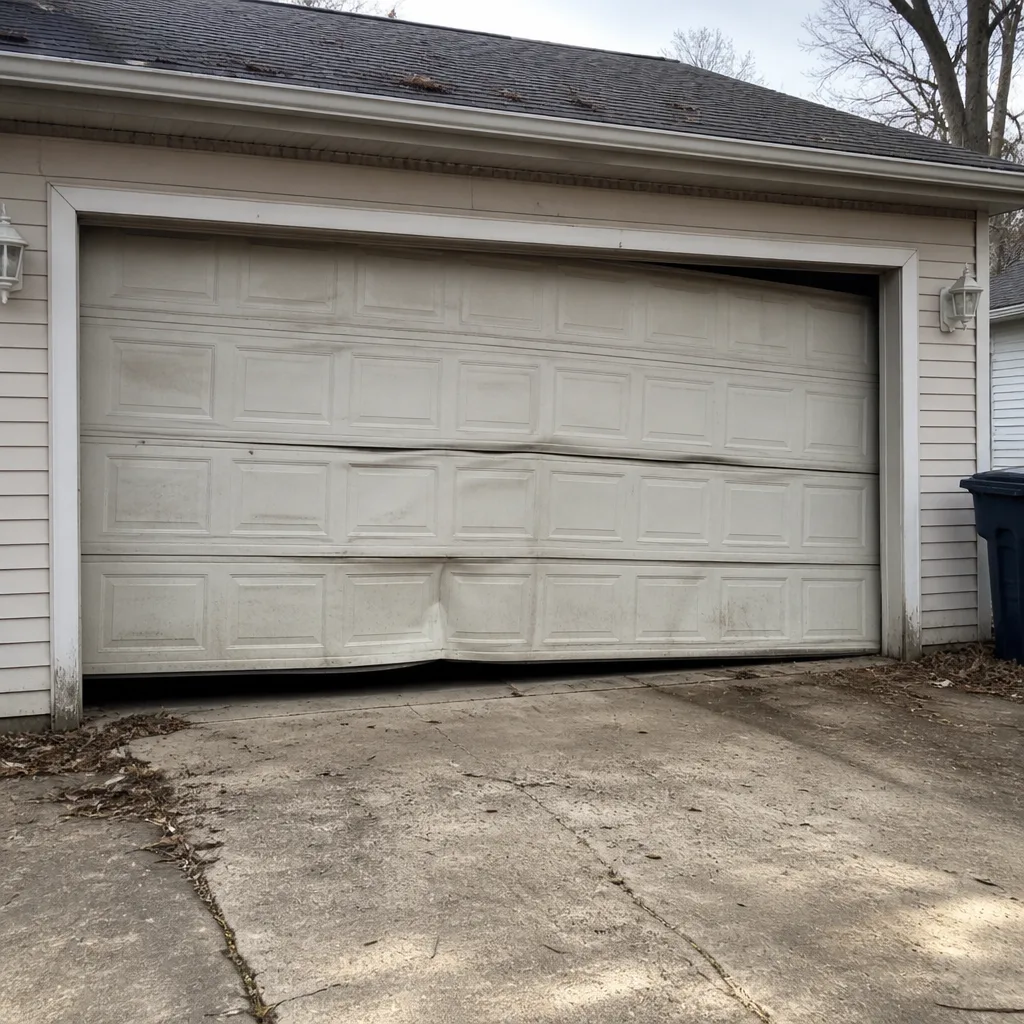 Before
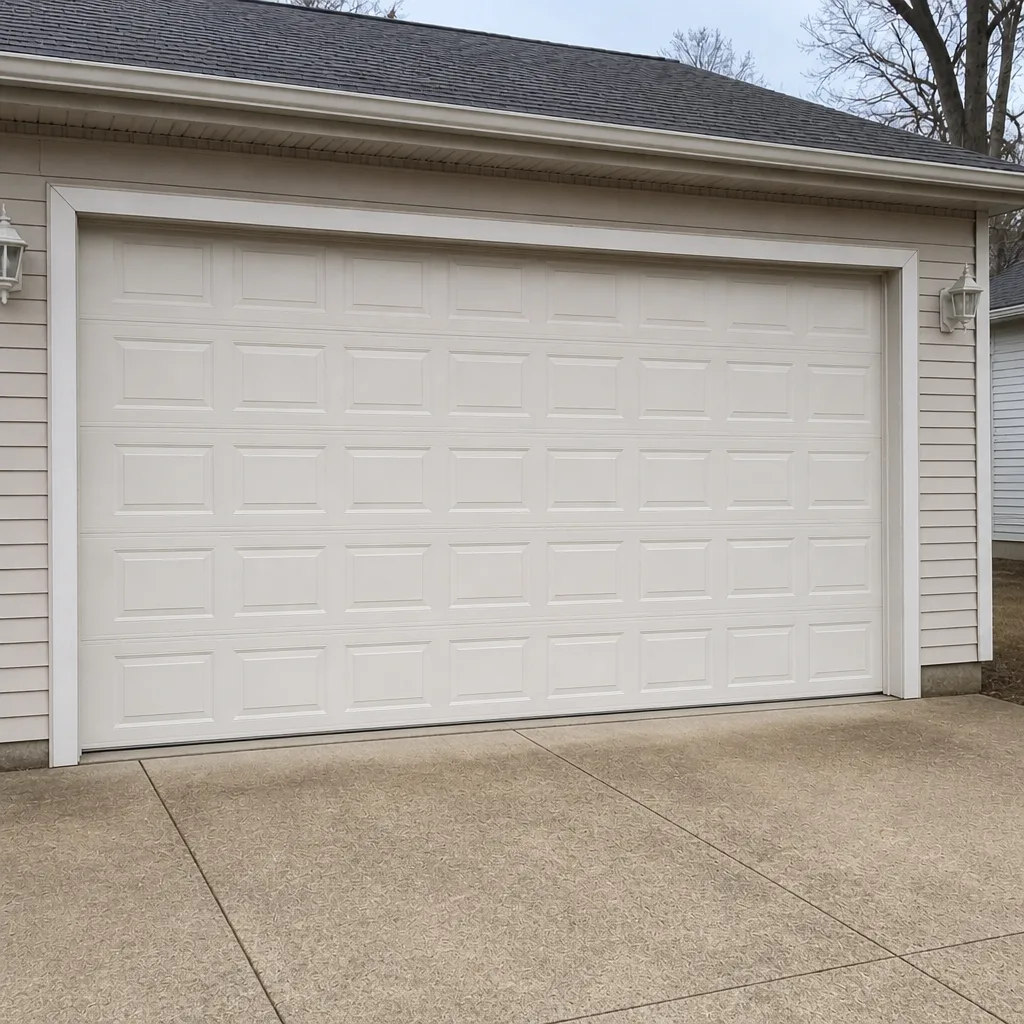 After
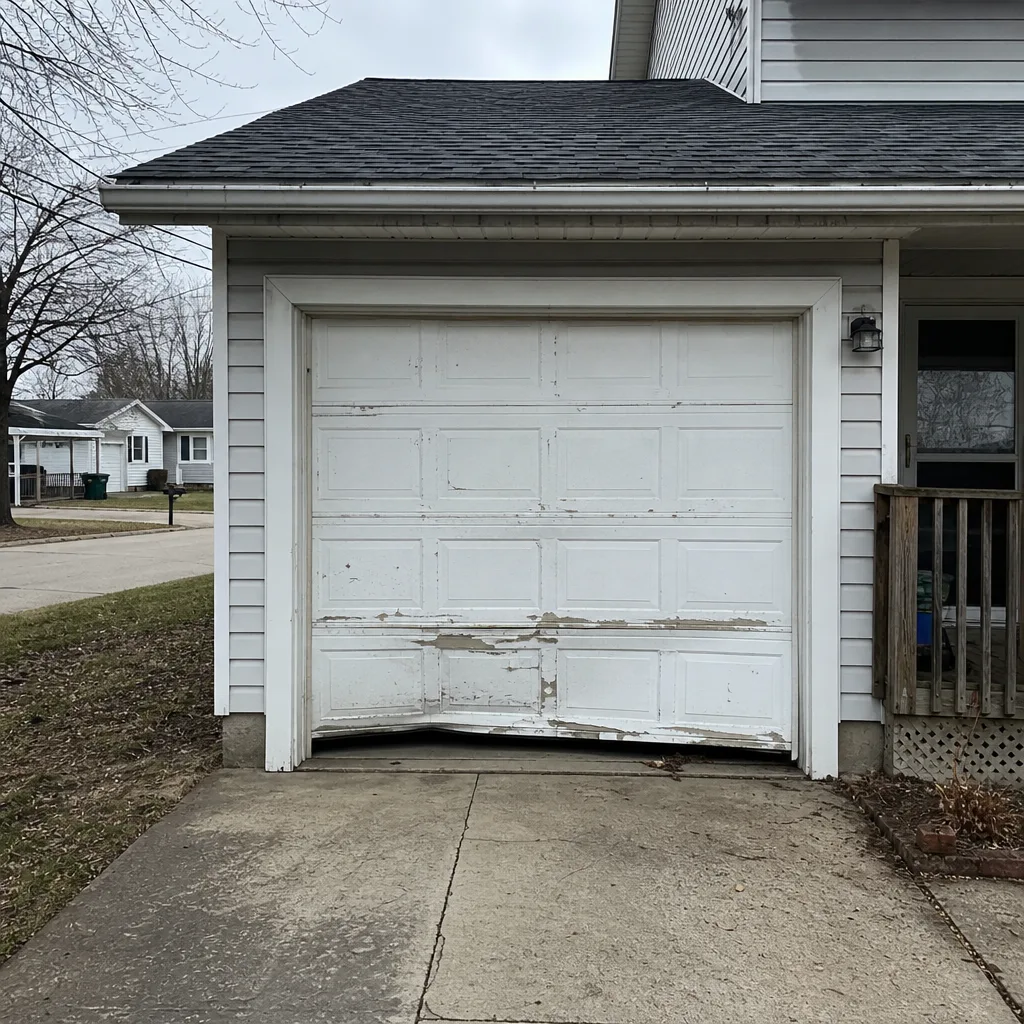 Before
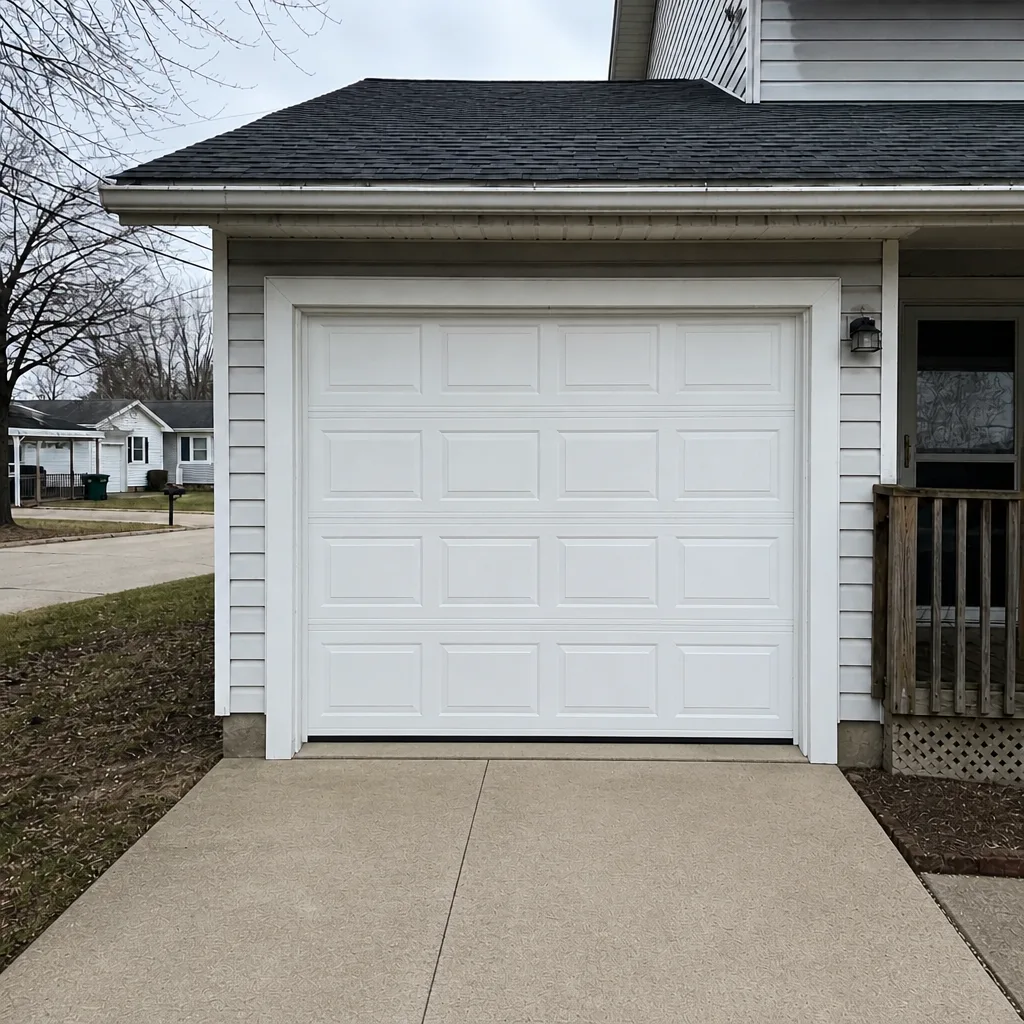 After
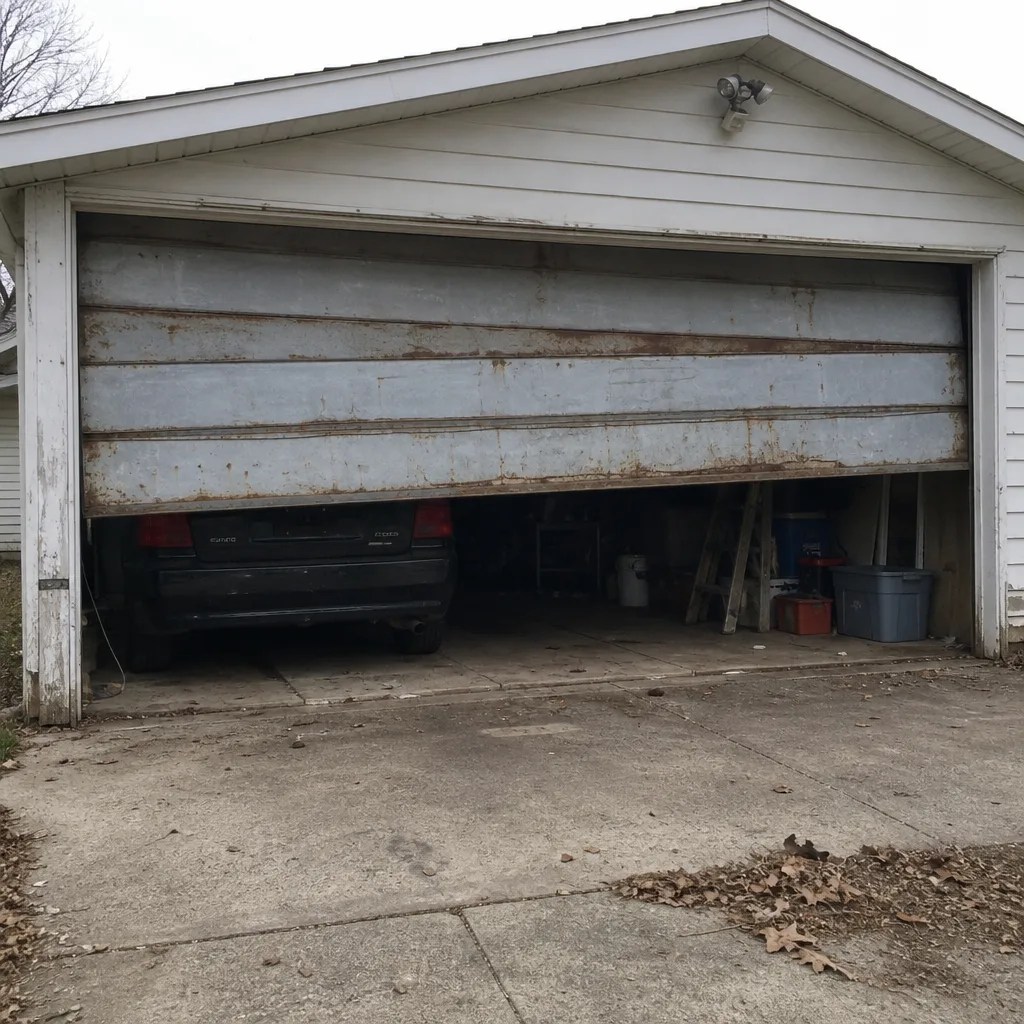 Before
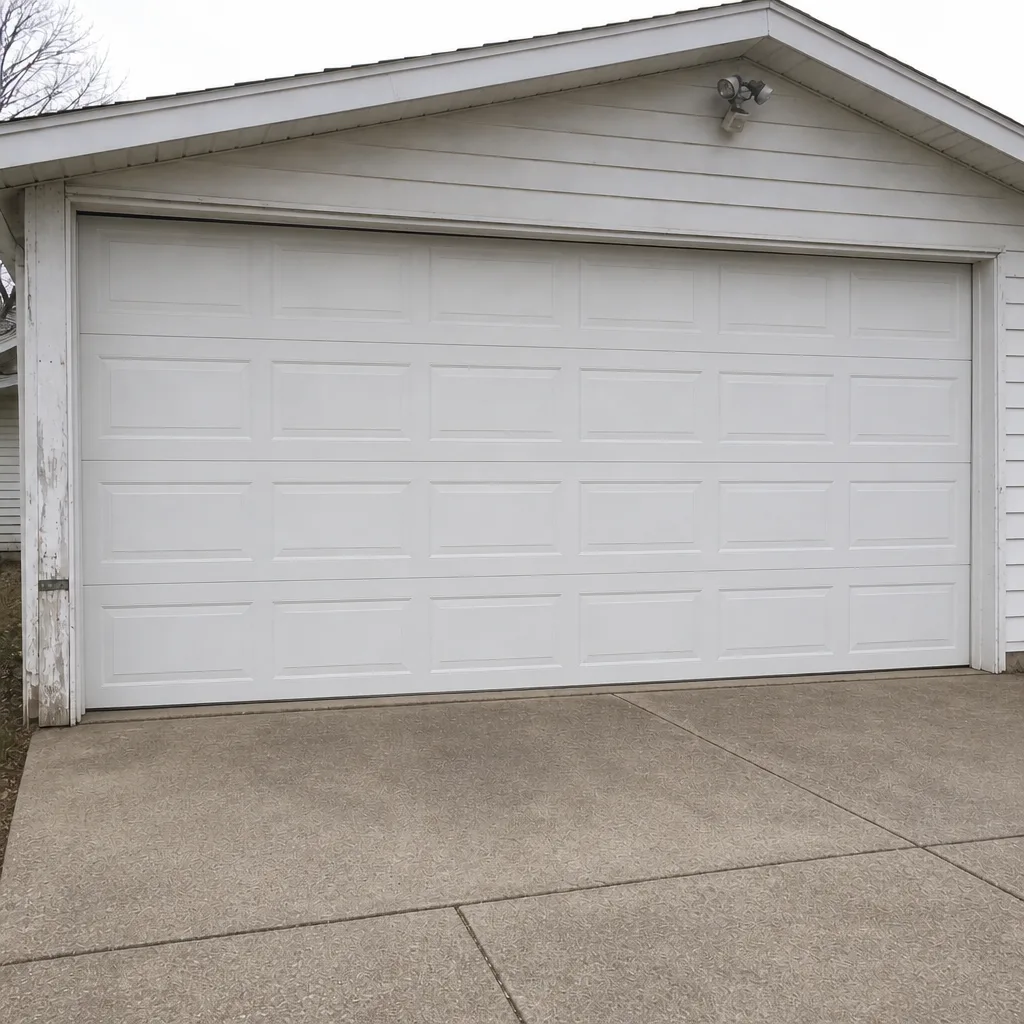 After