
Last updated November 22, 2026
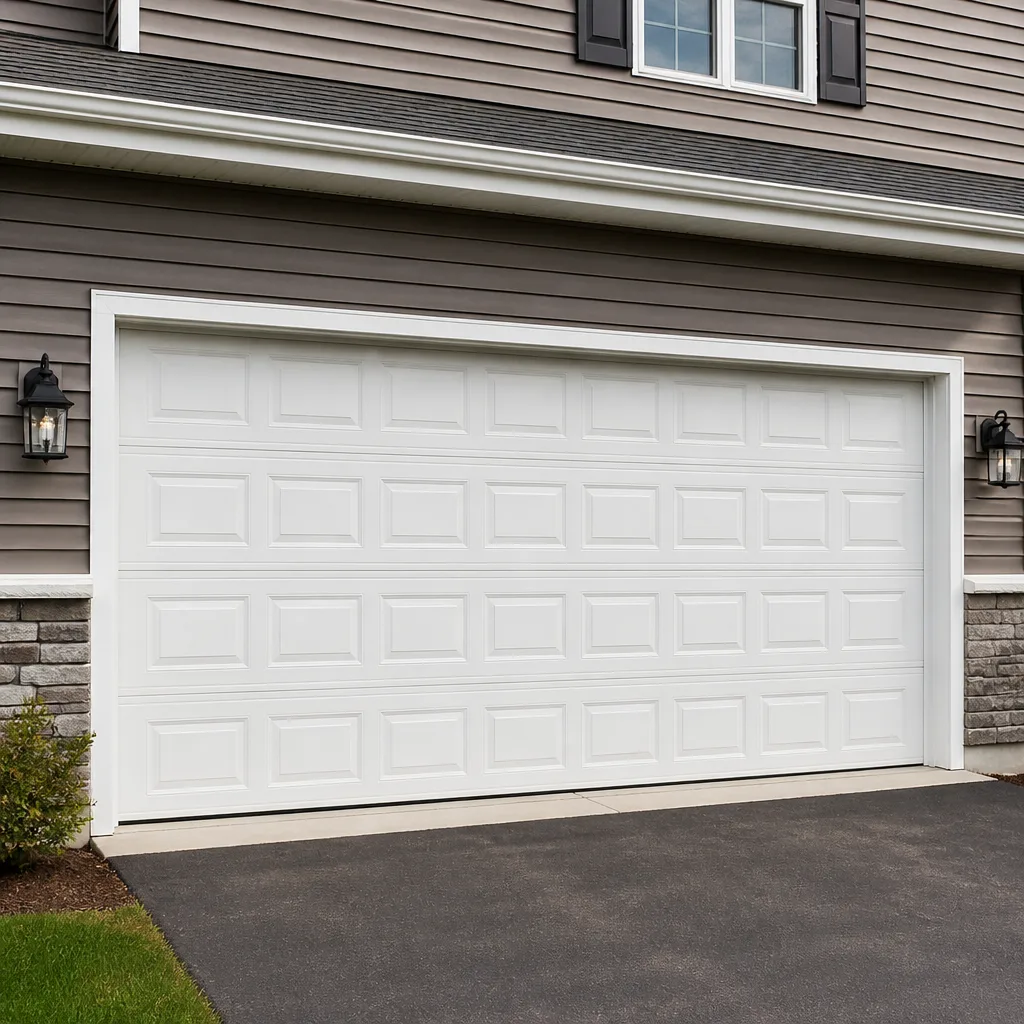 Raised-panel steel
 Carriage house
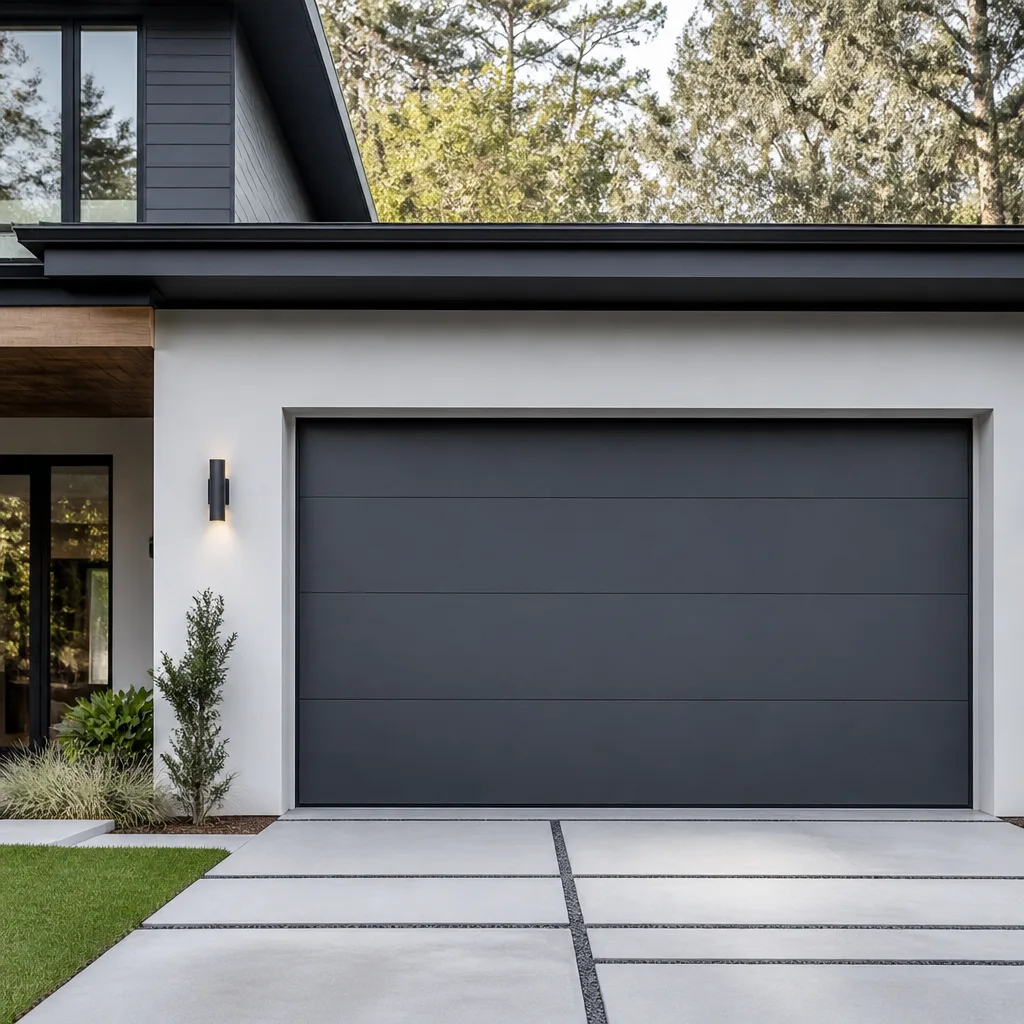 Modern flush
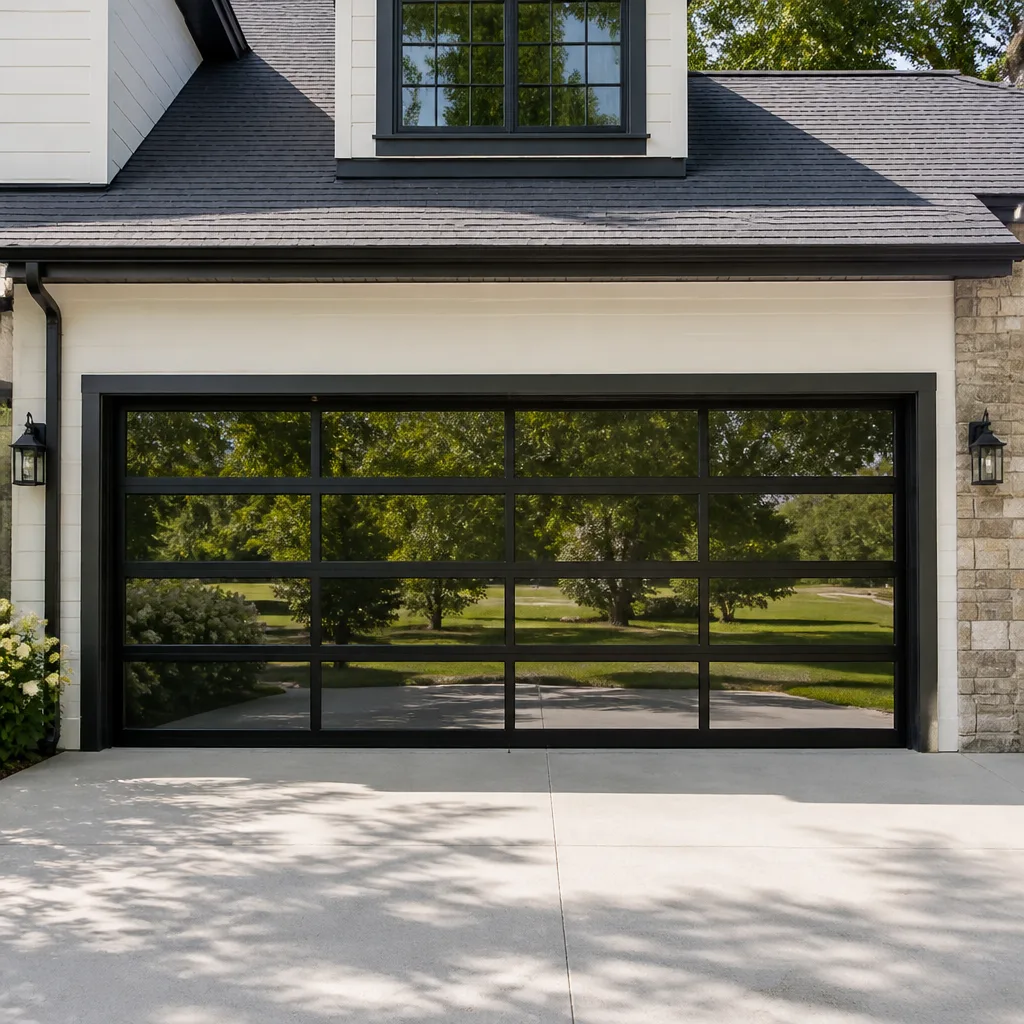 Full-view glass
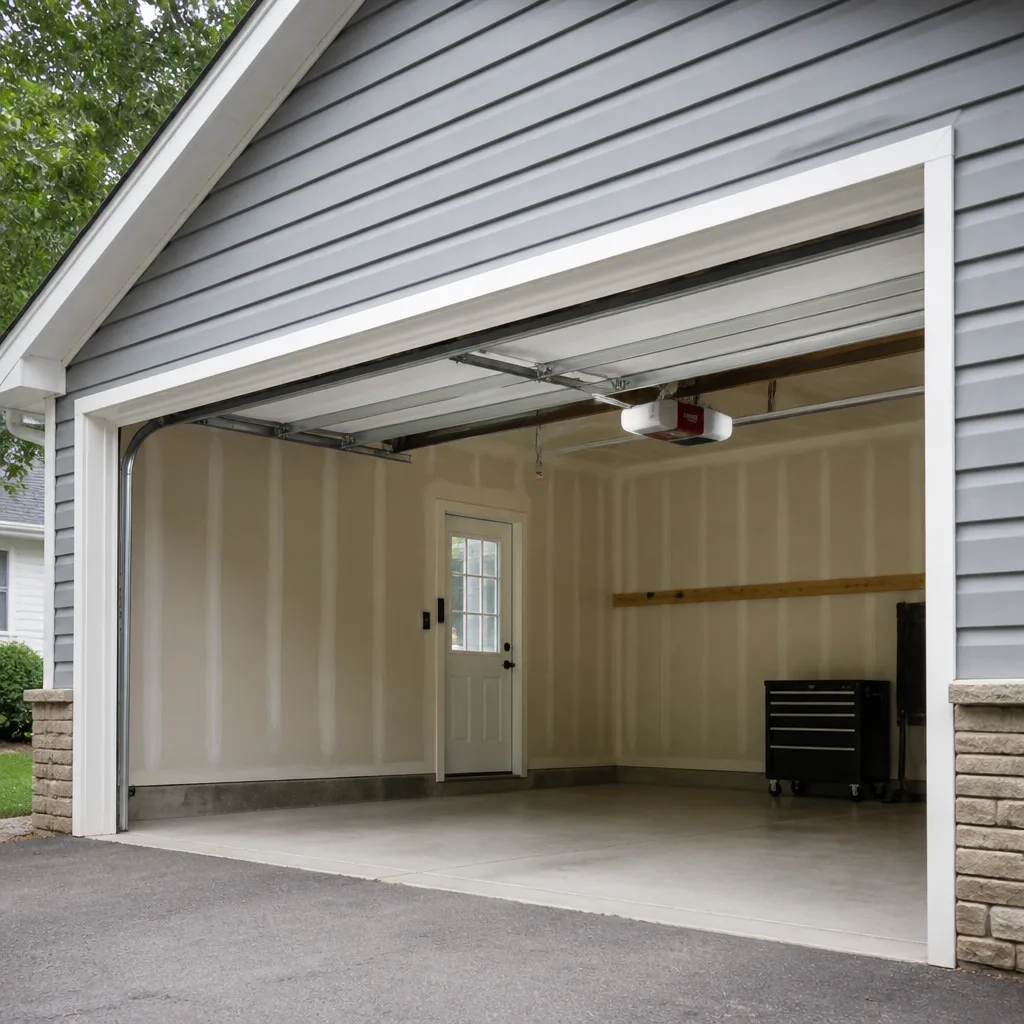 LiftMaster openers
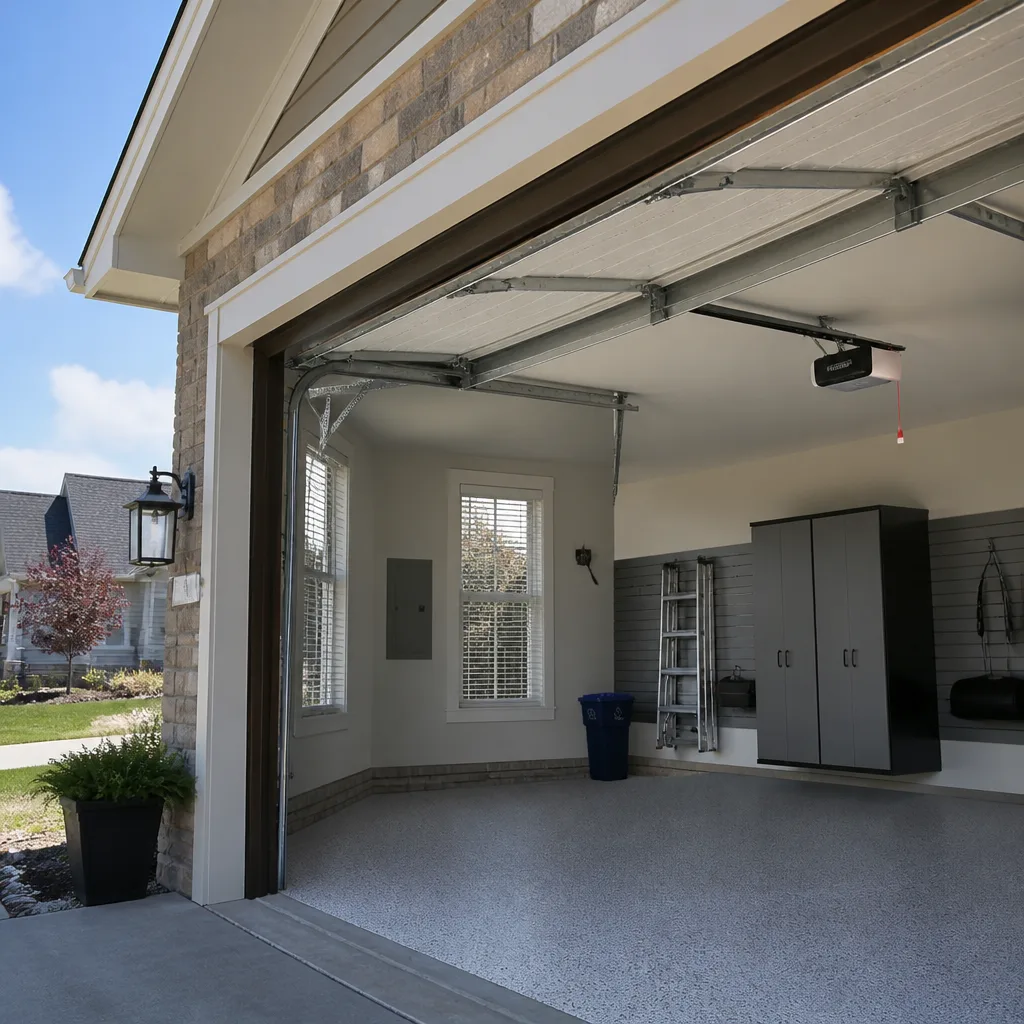 Chamberlain openers
Full 25-point door and opener safety check with every visit - springs, cables, rollers, tracks, and your LiftMaster or Chamberlain opener included
You get a price before we start. It does not change when the pro arrives.
Get your free estimateGarage Door Warning Signs: A Delaware Homeowner’s Reference Guide
A grinding noise and a scraping noise coming from the same garage door mean two completely different things. One is a roller that needs a little lubricant and a few minutes of work. The other is a cable fraying under full spring tension, and the safe move is to stop using the door until someone qualified looks at it. Same door, same general area, wildly different urgency. This guide is built around that gap: the sounds, movements and visual clues your door gives you before it fails, what each one actually points to, and which ones mean “schedule a visit” versus “park outside tonight.” Everything here is written for Delaware, Ohio homeowners dealing with real seasons and real doors.
Quick Answer
Most garage door failures announce themselves first through sound, movement or visible wear: popping that signals a failing spring, grinding that points to dry or worn rollers and bearings, uneven travel that suggests a track or cable problem, and rust lines or gaps in the coil that mean a spring is close to breaking. Call a technician when the noise is new, sudden or paired with an uneven or reversing door. Stop using the door today if you see a gap in a spring, a visibly sagging door, or a cable that has jumped its drum. In Delaware, our technicians have up to 11 years of experience reading exactly these signals, and a diagnosis costs nothing.
Styles & brands we work with
- Raised-panel steel
- Carriage house
- Modern flush
- Full-view glass
- LiftMaster openers
- Chamberlain openers
Table of Contents
- The Sound-to-Diagnosis Index
- Visual Warning Signs on Springs: Rust, Gaps and Stretch
- Movement Diagnostics: Hesitation, Reversal and Uneven Closing
- Opener Warning Signs Homeowners Blame on the Door
- Monitor and Schedule vs. Stop Using the Door Today
- How Delaware Weather Changes What You’ll Hear
- What to Tell the Technician When You Call
- Common Mistakes to Avoid
The Sound-to-Diagnosis Index
Sound is the first thing to go on a garage door, and it is also the cheapest diagnostic tool you own. The trick is separating the sounds that come from friction from the sounds that come from stored energy. Friction noises are usually slow-developing and low-risk. Energy noises, the ones tied to the torsion or extension springs and the cables, deserve a faster response. Here is how the common sounds map onto the mechanical system:
- Popping or a loud bang. A sharp pop, especially one followed by the door feeling suddenly heavy, usually points to a torsion spring that has broken or is about to. Extension springs that pop are frequently the safety cable catching a spring mid-failure. This is the highest-priority sound on the list.
- Grinding. A steady grind during travel is friction: dry rollers, worn bearings, or a torsion tube that needs lubrication. It’s rarely dangerous on day one, but it accelerates wear on everything around it.
- Scraping. A scrape that follows the door up and down usually means the door is rubbing the frame, a track has shifted out of alignment, or a panel has warped. Left alone, scraping doors bend panels and tear weather seals.
- Squealing or squeaking. High-pitched noise at the start and end of travel is the classic dry-hinge and roller complaint. This is the most fixable sound on the list, and the easiest to postpone too long.
- Clicking. A click when the opener engages or the door reaches the top or bottom often traces to the opener’s travel limits or a photo-eye that’s being interrupted. Sometimes it’s just the opener doing its job and the door not following.
One caution before anything else: the springs and cables hold the full weight of the door under tension, and they can release that energy without warning. If a sound makes you want to look inside the mechanism, look with your eyes from a distance and call a trained professional. The full range of what we handle, from single-spring swaps to a full replacement, is covered under Garage Door Repair Delaware.
Visual Warning Signs on Springs: Rust, Gaps and Stretch
Springs are the part of your door most likely to hurt someone and least likely to be looked at. You can inspect them from the floor without touching anything. Stand back and look up at the torsion bar (the horizontal shaft above the door) or at the extension springs running along the horizontal tracks on each side. What you’re watching for is evidence that the coil is losing integrity before it lets go.
Rust patterns
A light film of rust on a spring is cosmetic. A concentrated rust line, especially one that runs around the coil in a single band, is not. That band is where the metal is thinning and where a break is most likely to start. Springs that rust in stripes rather than evenly tend to fail at those stripes.
Gaps in the coil
A healthy torsion spring has coils that sit tightly together. If you can see daylight between the coils, or a clear gap has opened up in one section, the spring has stretched past its working range. That’s a spring that’s loading unevenly and is a stop-using-the-door signal.
Elongation and sag
Extension springs should be roughly parallel to their tracks. A spring that hangs lower than its partner or visibly sags has lost tension. Torsion springs that have stretched noticeably compared to a photo from a year ago are telling you the same thing.
You cannot reliably tell how many cycles a spring has left by looking at it, and no homeowner should try to test a spring by hand. When a visual sign is there, the right move is a professional inspection. Spring repair is one of the most technically demanding jobs in this trade, which is why we treat it as its own dedicated service rather than an add-on. If any of the signs above are present, treat the door as limited-use until it’s been looked at.
Movement Diagnostics: Hesitation, Reversal and Uneven Closing
How a door travels says as much as how it sounds. Watch yours once a month. You’re not looking for perfection, you’re looking for change.
Hesitation at six inches
A door that opens a few inches and then stalls, or opens a few inches and reverses, is usually telling you one of three things: the opener’s travel limit is set wrong, the door has become heavier than the opener can lift (often a spring issue), or the safety reverse is tripping on something it shouldn’t. The hesitation point matters. The first six to twelve inches is where an opener does the most work, so a door that struggles there is a door under load.
Reversal at the middle of travel
A door that closes partway and then reverses is usually a photo-eye problem, a misaligned track, or something blocking the sensor path. If the reverse happens only when it’s cold, it may be a stiff seal or a door binding on one side.
Uneven closing
If one side of the door reaches the floor before the other, or the door corners sit at different heights, you likely have a cable problem, a broken spring on one side, or a track that’s been knocked out of alignment. Uneven travel is a schedule-it-now signal because a door that binds puts side-load on the panels and the tracks.
Movement problems in our region often get worse in a hurry. A door that hesitates in October tends to stop working on the coldest morning of January. That’s not bad luck, it’s physics: cold stiffens grease and shrinks seals, and a door already near its limit has no margin left. If you want a second set of eyes on a door that’s changed its behavior, garage door repair is the right starting point.
Opener Warning Signs Homeowners Blame on the Door
A lot of “the door is broken” calls turn out to be the opener. The door itself may be fine, but the machine that lifts it has its own symptoms, and the cheap signs show up before the expensive ones.
- Motor strain. You hear the opener working harder than it used to, or the motor housing feels hotter than usual after a couple of cycles. That means the door has gotten heavier or the opener’s force setting is compensating for something it shouldn’t.
- Slower travel speed. A door that opens in noticeably less time than it used to, or one that crawls during the last few inches, is telling you the opener’s motor is losing torque or the door is binding.
- Reduced remote range. If the remote used to work from the end of the driveway and now only works from a few feet away, start with the battery and then look at the opener’s antenna or the wall control. It’s rarely the door.
- Lights that flash but the door doesn’t move. Most openers blink the light to signal a sensor issue or a locked-out safety. That’s the opener telling you something specific, not malfunctioning randomly.
- Inconsistent behavior on one remote but not the wall button. That’s almost always a remote or receiver issue, not the door mechanism.
We work on the brand that’s already in your garage, so we don’t need to talk you into replacing anything to get the diagnosis. We’re factory-familiar with LiftMaster, Chamberlain and Genie openers, and the same goes for Clopay doors. If the issue is the machine rather than the door, garage door opener repair covers what gets checked and what tends to fail.
Monitor and Schedule vs. Stop Using the Door Today
Not every warning sign deserves a call before you leave for work. But some do, and the cost of getting the priority wrong is a lot higher than the cost of a free estimate. Here is how we sort the signals:
Tier 1: Monitor and schedule
- Light squeaking or occasional grinding during travel
- Cosmetic surface rust on springs without a concentrated band
- A remote that works but with reduced range
- A door that hesitates occasionally but still completes its travel
- A single roller that looks worn
Tier 2: Schedule within the week
- Any new popping sound that doesn’t repeat
- Visible rust bands or a slightly stretched spring
- A door that closes unevenly or scuffs one side of the frame
- An opener that strains on the first lift of the day
- Uneven travel that gets worse in cold weather
Tier 3: Stop using the door today
- A visible gap in the coil of a torsion spring, or a spring that has clearly snapped
- A cable that has jumped off its drum or is visibly frayed
- A door that hangs visibly crooked or sags on one side
- Any grinding, scraping or banging that comes from inside the spring or cable area
- An opener off or a door stuck open, leaving the house exposed
Delaware homes have a particular pattern with Tier 3 issues: they most often show up at the worst time, when someone is late for work or the door is the only way to get the car out. That’s exactly why we keep emergency service available. If your door is in Tier 3, park outside, keep the door closed if you can safely, and call us. We answer 24/7. Fast dispatch from 7am to 7pm.
How Delaware Weather Changes What You’ll Hear
Garage doors are outdoor-equipment pretending to be indoor-equipment. The Delaware seasons ask a lot of them, and a lot of the warning signs above have a seasonal accent worth knowing about.
In the cold months, the grease on rollers and hinges thickens and the metal contracts. Doors that were quiet in September start to squeal in January, and torsion springs get harder to turn, which puts more load on the opener. A door that is near the end of its spring life often breaks on the coldest morning of the year rather than on a mild one. That’s not something to be afraid of, it’s something to be ready for: if your door has been hesitating all fall, the cold will find it.
In the warm months, the opposite happens. Heat expands metal, and there can be a slight change in the alignment of tracks and panels. Doors that scrape in summer are usually telling you a track has shifted a little or a panel has warped. Those symptoms tend to calm down when the weather cools, and starting that cycle over again next year is the wrong response. A scraping door bends its panels a little every time.
Around the wet stretches of the year, watch for rust development in the tracks, springs and hinges. The soil in this part of Ohio holds moisture longer than sandy ground does, which is why so many older Delaware garage floors and lower panels show rust before they should. When a door replacement is the right call rather than another repair, our garage door installation page walks through what the process involves and what measurements are taken up front.
What to Tell the Technician When You Call
You don’t need to diagnose the door yourself. You do need to describe what changed, and the clearer that description, the faster the fix. Here is the short list of what actually helps:
- What sound, and where it comes from. “Grinding near the ceiling” and “scraping on the left side” lead us in different directions. “It’s just acting weird” doesn’t lead anywhere.
- When it started, and whether it’s consistent. An occasional pop and a repeated pop are different problems.
- What the door does, not just what it sounds like. Opens partway and stops. Reverses. Closes unevenly. Won’t move at all.
- What the opener says. Lights blinking, remote not working, wall button working, travel slower than it used to be.
- The door and opener brands if you know them. We work on LiftMaster, Chamberlain, Genie, Clopay, Amarr, Wayne Dalton, Craftsman and Raynor, so brand rarely limits us, but it does help us arrive ready.
- Whether the door is currently useable. If it is stuck open or won’t close safely, tell us that on the phone. It changes the priority.
Diagnosis comes first, repair comes second. You’ll get a written price before any work starts, and it is set per job, so you’re not surprised by a number at the end. If you’re not sure which tier your door is in, call. We’ll talk through it with you rather than push you to a decision.
Common Mistakes to Avoid
- Testing a spring by hand. Homeowners sometimes try to lift a door manually on one side to see whether a spring is broken. That is how people get hurt. The springs and cables are under tension that can release without warning. Look from a distance, and let a trained professional touch them.
- Treating a grinding noise as normal. A little sound that’s been there a while feels like a “character” trait of your door. The problem is that grinding grinds against the rollers, hinges and bearings every cycle, turning a small lubrication job into a bigger replacement.
- Ignoring the opener lights. Blinking opener lights are a code, not a malfunction. Reading them saves an unnecessary service call or gets you to the right fix faster.
- Assuming the door is the problem. A lot of doors get blamed for opener symptoms. If the door runs smoothly by hand but not with the opener, you may be looking at the wrong machine.
- Replacing one spring when the pair should go together. Torsion springs are almost always replaced as a matched pair. Doing one at a time usually means the other fails within months, and homeowners pay twice.
- Forcing a sticking door “just until the weather changes.” In Delaware, the weather changes more than once a year. A sticking door that gets forced over a season often ends up needing track and panel work.
- Waiting until the door won’t open to call. The cheapest repair on a garage door is almost always the earliest one. The most expensive is usually the one that started with a sound nobody wanted to check.
See the difference
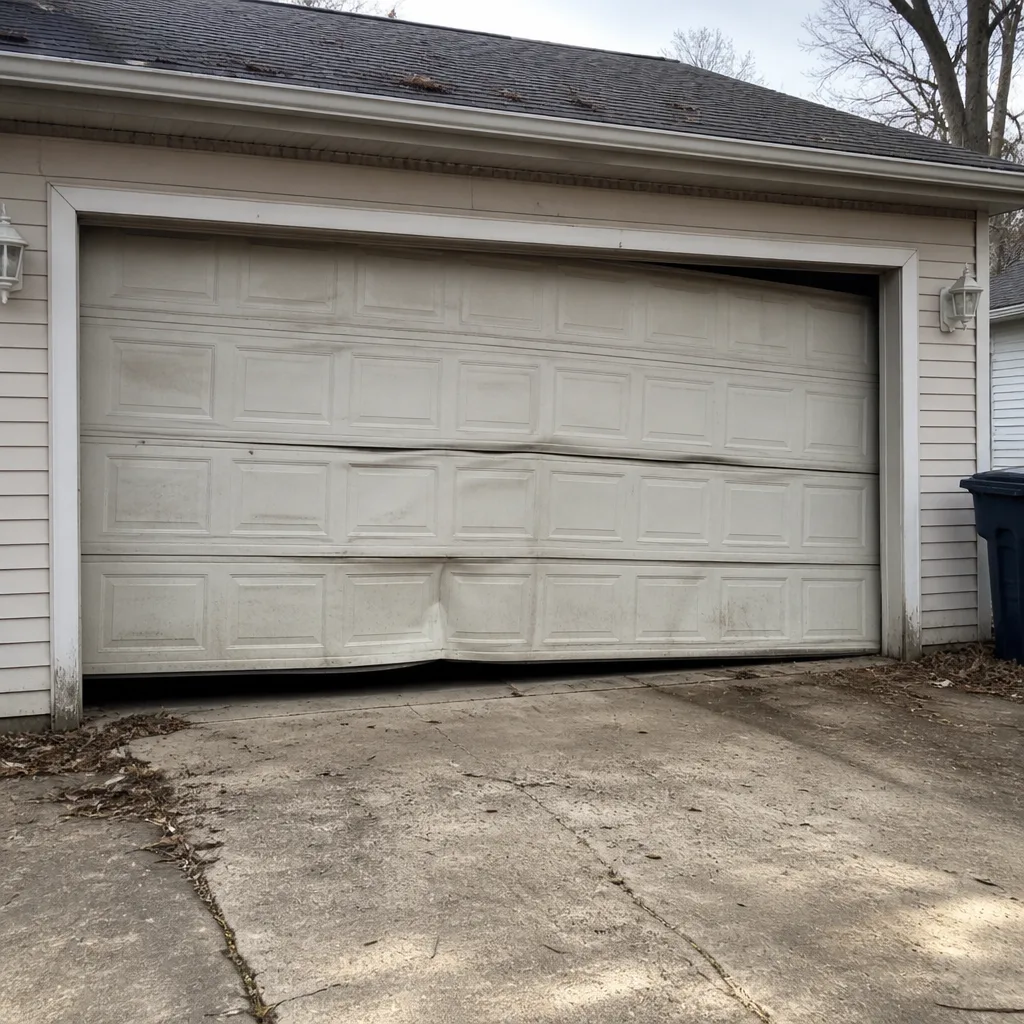 Before
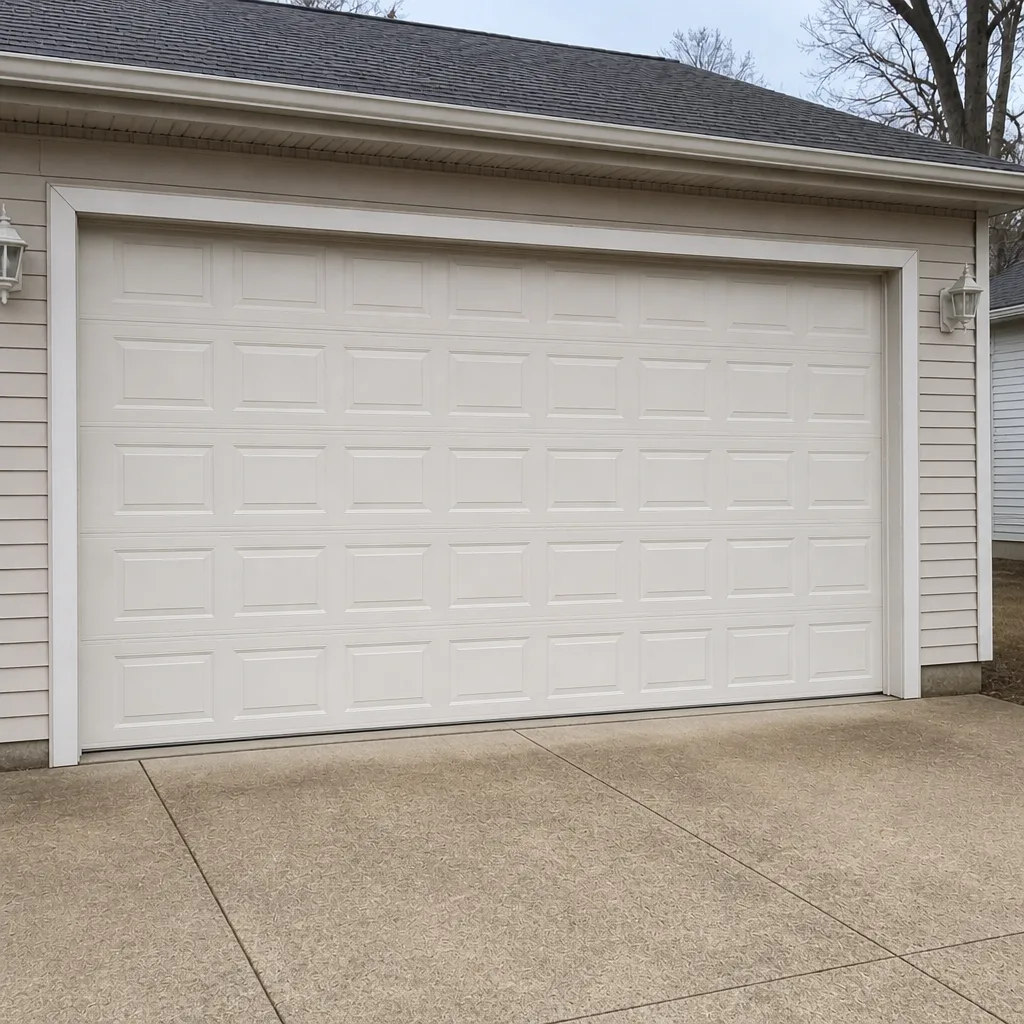 After
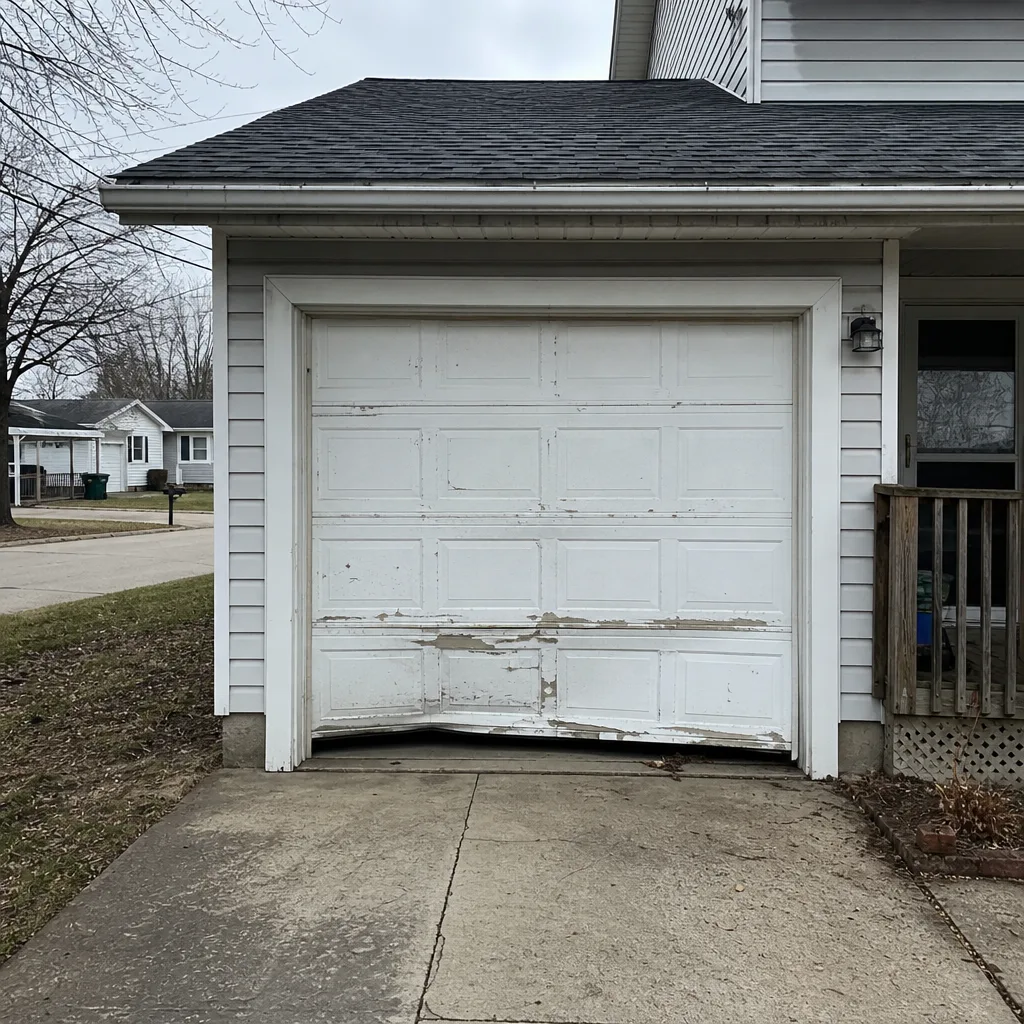 Before
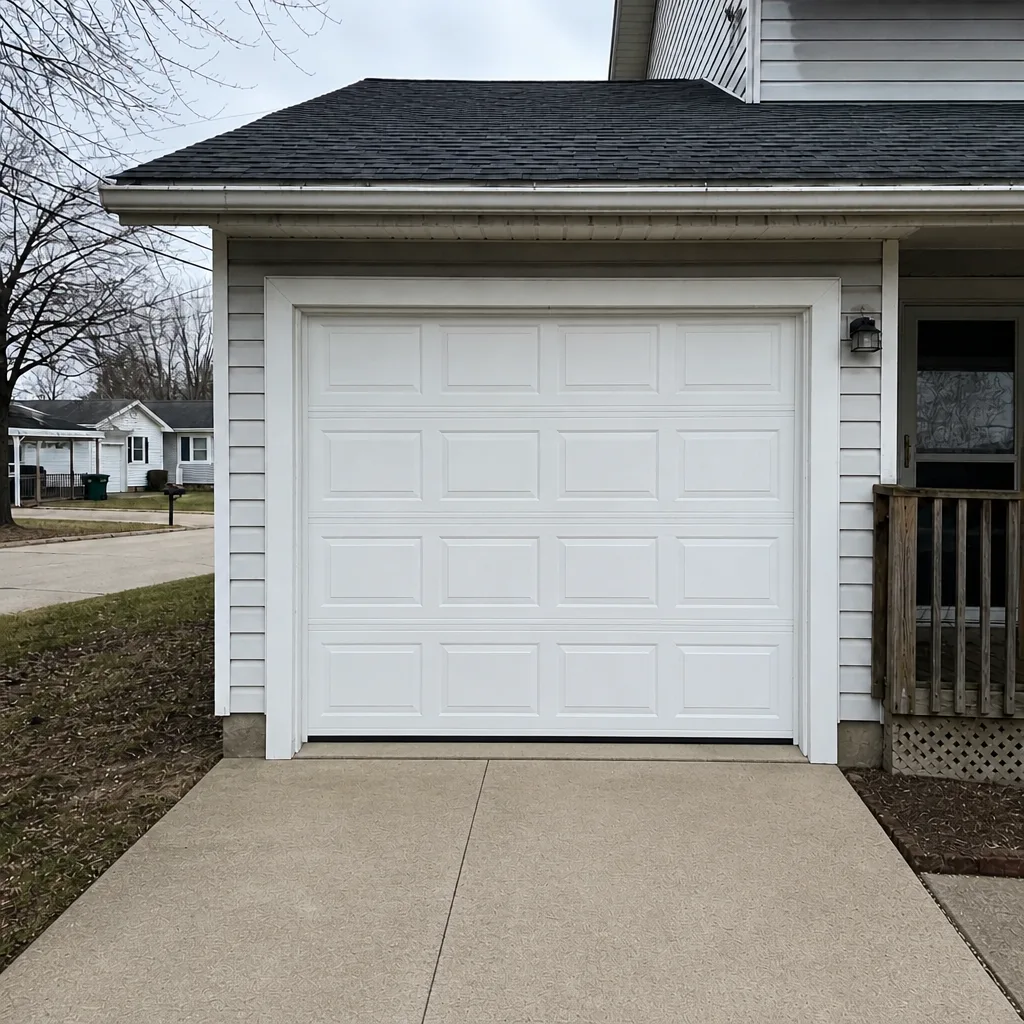 After
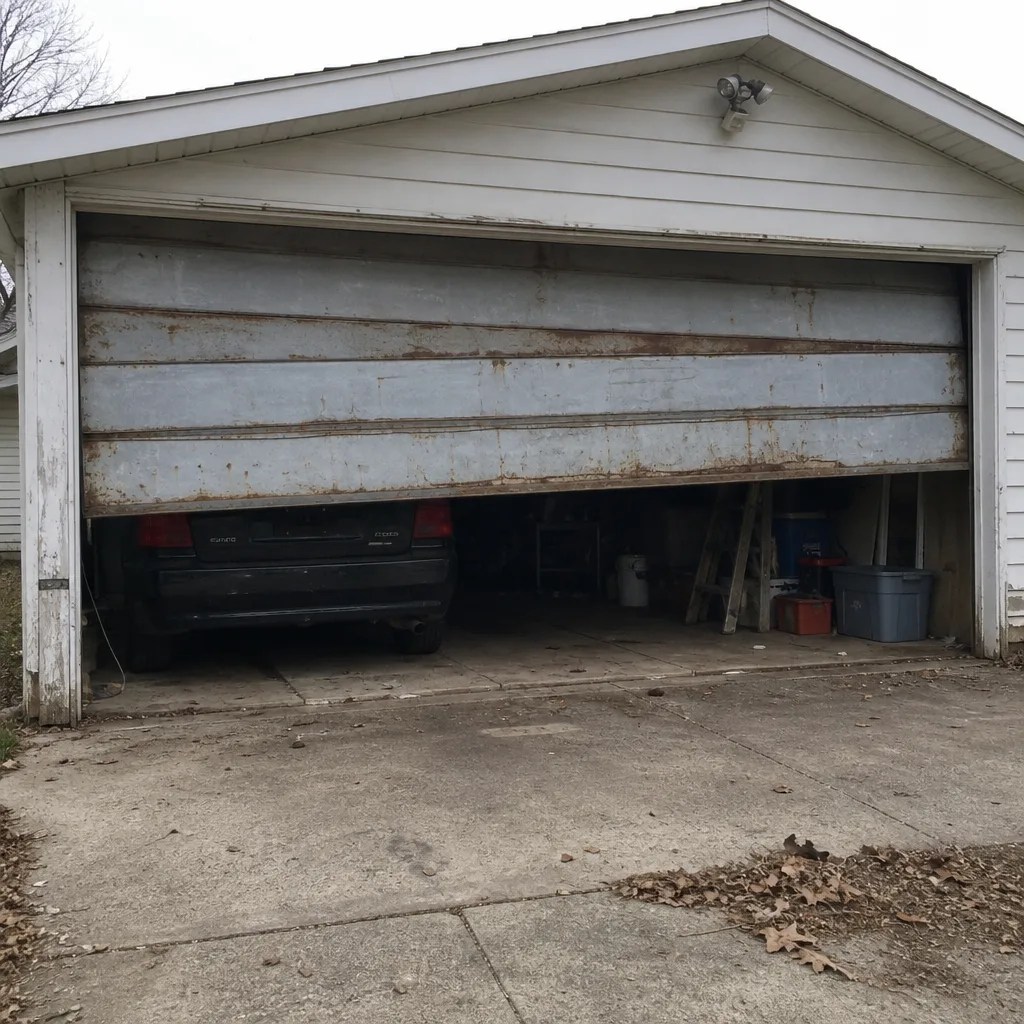 Before
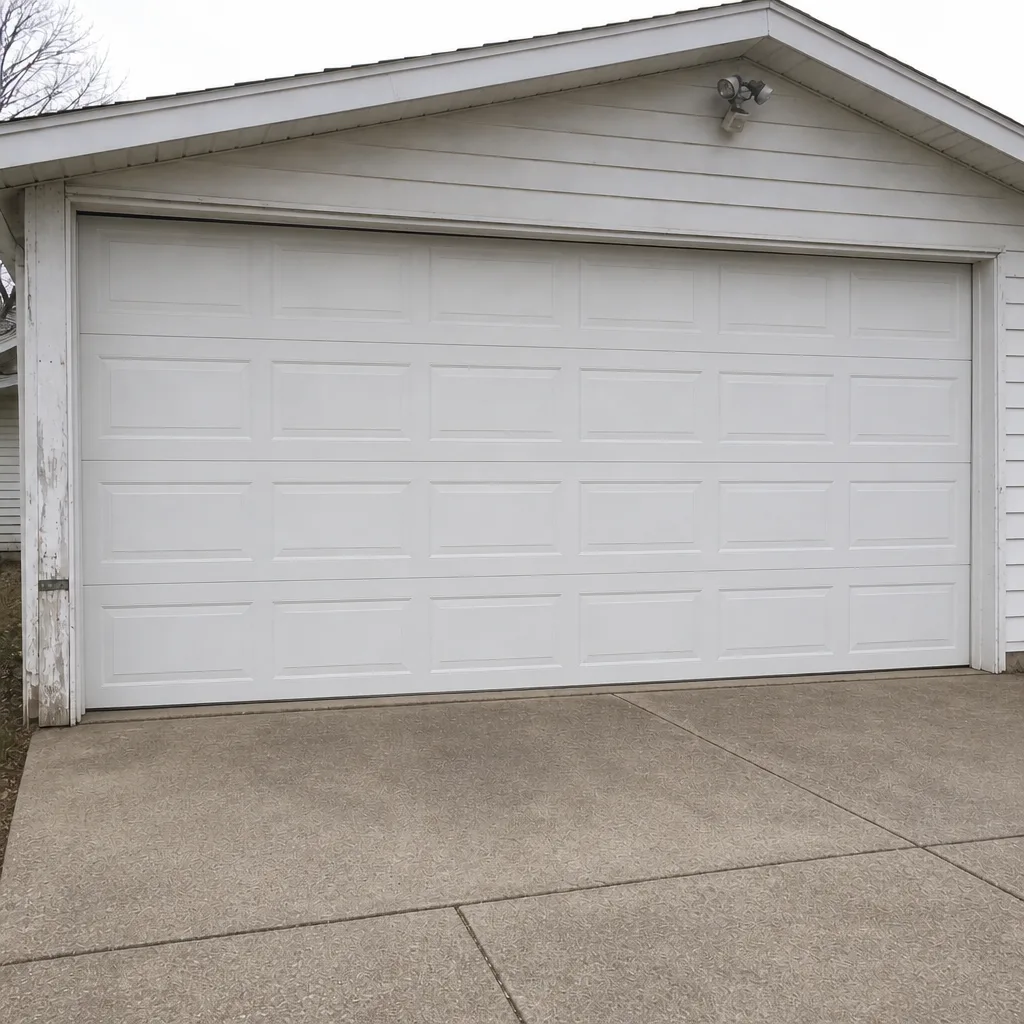 After
When to Call a Professional
Call us when any of the following is true: the door makes a new or repeating popping, grinding or scraping sound from the spring or cable area; the door opens or closes unevenly; the door reverses on its way down more than once; a spring shows a visible gap, concentrated rust band, or sag; the door won’t close all the way; you notice the door is hung crooked; or your opener is straining on the first lift of the day even though the door itself looks fine. Call sooner rather than later if the door is stuck open, if a car is trapped, or if the house is exposed because the door won’t close.
Garage Door Repair Delaware offers free estimates in Delaware. Our technicians have up to 11 years of experience, we work on the brand you already own, and we set the price per job with a written estimate before any work starts. Call (833) 509-5064. We answer 24/7. Fast dispatch from 7am to 7pm, Sunday through Friday.
Frequently Asked Questions
New or repeating noise is the most common early warning sign, especially popping from the spring area and grinding during travel. A single pop that doesn’t repeat is worth scheduling, and a gap in the spring coil or a sagging door means stopping use of the door today. Call (833) 509-5064 for a free estimate.
Almost never. A torsion spring break is sudden, but the spring usually shows months of stretched coils, rust bands or a different sound before it goes. A door that fails unexpectedly is usually a door where the early signs were treated as normal. If the door is in Tier 1 from the table above, a free ladder inspection is the cheapest way to know what’s next.
Look for a visible gap in the torsion coil, a concentrated rust band, a spring that hangs lower than its partner, or a door that suddenly opens heavier than it used to. Do not test a spring by hand. Our spring repair service is dedicated to this exact work for a reason, and a technician can confirm it quickly. Call for a free estimate.
Usually not an emergency on day one, but it should be scheduled. Grinding almost always comes from friction inside the rollers, hinges or bearings, and every cycle wears them further. A one-off grinding sound can wait until you can book a free estimate, but if it’s paired with hesitation or side-to-side travel, call sooner.
No. An uneven door is putting side-load on the tracks and panels, and it usually points to a cable, spring or track issue that gets worse quickly. Stop using the door and call. If it’s stuck open and the house is exposed, call (833) 509-5064. We answer 24/7. Fast dispatch from 7am to 7pm.
Yes. Cold thickens grease and stiffens seals, and a door already near its spring’s end of life tends to break on the coldest morning of the year. If your door has been hesitating in the fall, the likely fix in January is bigger. A free estimate in the fall is the cheapest option, and calling now beats waiting for the cold.
The Bottom Line
Your garage door has been telling you what’s wrong for longer than you might think. Popping, grinding, scraping, squealing and clicking each point in a different direction. Springs show you their condition through rust bands, coil gaps and sag. Movement tells you about load, and the opener reveals its own problems through strain, slowness and range. Most of what goes wrong can be caught early, and the tier list in this guide is the shortest way to sort what to worry about from what to schedule. In Delaware, the seasons make the timing matter more than in most places, and the cold months find every door that needed a fix in the fall. When in doubt, call. Diagnosis comes first, and the written price comes before any work.
Written by the team at Garage Door Repair Delaware.